Who owns what in a Bosnian apartment building
Buying a flat in Bosnia gets you the unit, a fixed share of the building and land, and use of common parts. Here is what to check in the land register.
Updated: 19 October 2026
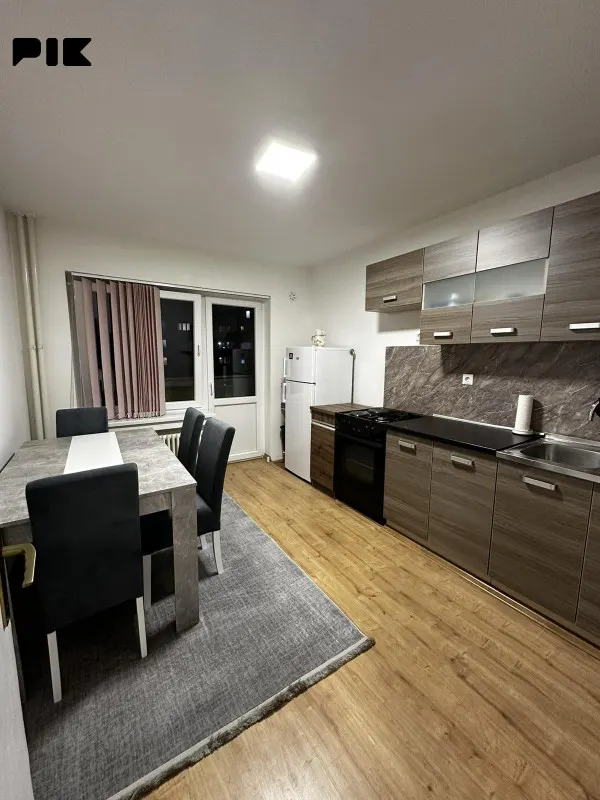
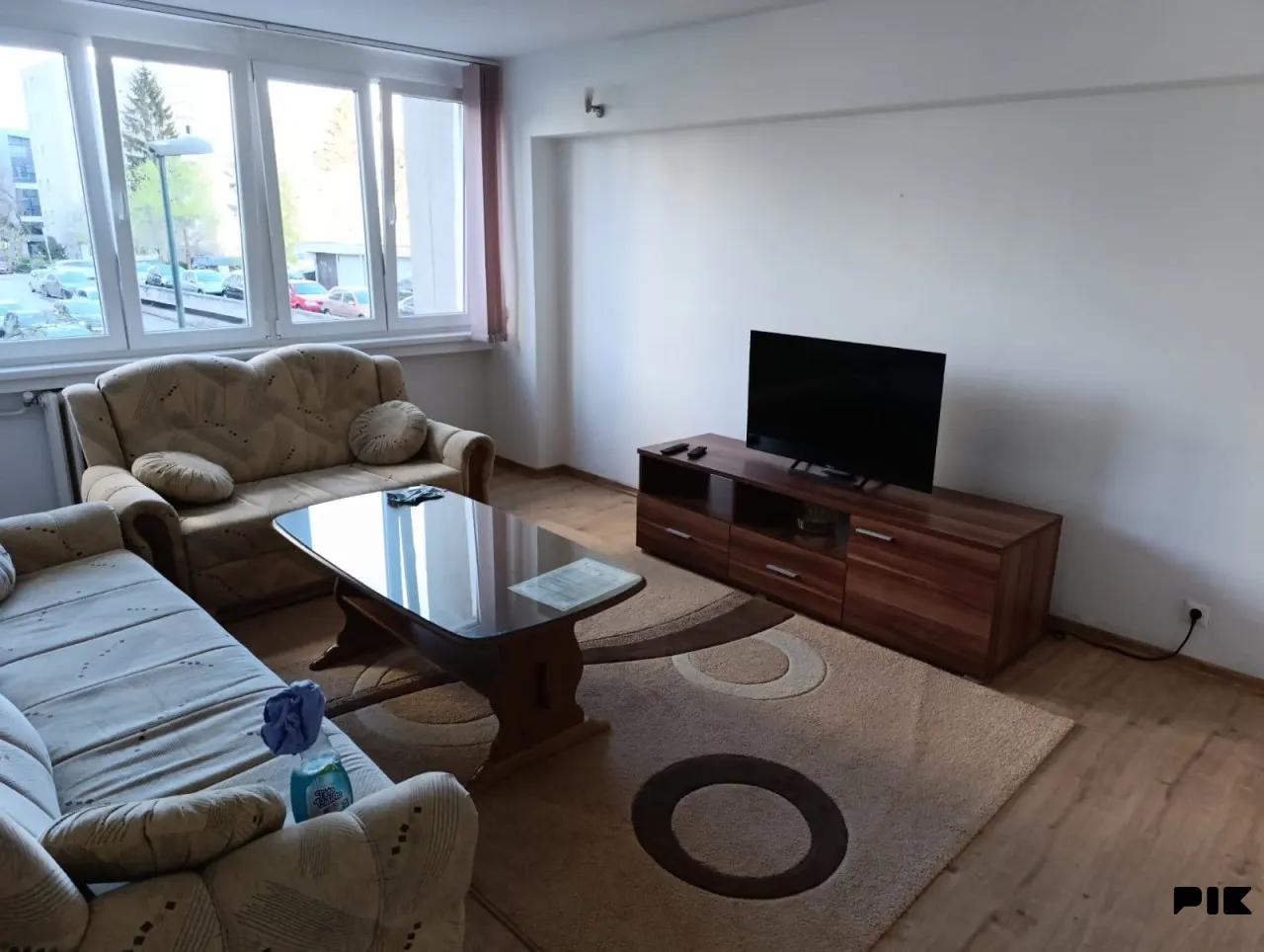
When you buy a flat in a Bosnian apartment building, you buy three things together: the flat itself, which only you use and control; a co-ownership share in the whole building and its land that is permanently tied to the flat; and the right to use the common parts together with the other owners. The flat and the share cannot be sold or mortgaged separately, and separate ownership of the flat exists only once it is entered in the land register. Before you buy, the key task is to confirm exactly what is registered with the flat and what belongs to everyone.
This is general information, not legal advice. A notary or lawyer confirms the details for your specific purchase.
Three layers of ownership in one building
Bosnian law calls separate ownership of a flat etažno vlasništvo (apartment or strata ownership; in Republika Srpska the term is etažna svojina). It has three layers:
- The separate unit (posebni dio): a flat, business premises, a garage or a clearly marked parking space inside the building. You have exclusive use of it and can sell, gift or mortgage it.
- The co-ownership share (idealni dio or suvlasnički udio): a fraction of the whole property, meaning the building with its land. The law ties it permanently to your unit. In practice in the Federation of BiH (FBiH), the land register often expresses this share as the flat's usable area divided by the building's total usable area.
- The common parts (zajednički dijelovi): parts that serve everyone, or whose purpose rules out one person using them alone. Nobody can own them individually, and every owner may use them.
What this means for you: you cannot buy "just the flat" without its share, or the share without the flat. A mortgage is registered on the co-ownership share to which the apartment ownership is attached, so a burden on the share is a burden on the flat.
Which law applies where
The core idea is similar across Bosnia and Herzegovina, but the laws differ by entity:
- FBiH: the Law on Property Rights of FBiH (Zakon o stvarnim pravima FBiH). Building management is a cantonal matter, so the rules depend on the canton. Sarajevo Canton has a Law on Managing the Common Parts of Buildings, and Central Bosnia Canton adopted a Law on the Use and Maintenance of Common Parts and Installations of Buildings in 2024.
- Republika Srpska (RS): the RS Law on Property Rights and the Law on Building Maintenance (Zakon o održavanju zgrada).
- Brčko District: the Law on Ownership and Other Property Rights of Brčko District, where apartment ownership is covered in Articles 91-96. Whether the District has a separate law on building management is something to confirm with a notary or the competent office.
What can be a unit, and what can be attached to it
A separate unit must be a self-contained usable space: a flat, business premises, a garage or a clearly marked parking space within the building.
Ancillary parts (sporedni dijelovi) can be registered together with a unit: open balconies, terraces, cellar or attic rooms, house gardens and parking spaces. In RS and Brčko District the law expressly allows at most two parking spaces per unit as ancillary parts. To be attached to a flat, a part must be:
- clearly separated from the rest of the property, and
- reachable from a public area, from the common parts, or from the flat it belongs to.
The most important rule for buyers: if it is unclear whether a part is common, the law presumes it is common. This is the classic trap. The seller says "the cellar and the attic come with the flat", but neither is registered with it.
What counts as common parts
The RS Law on Property Rights lists them: foundations, main walls, the attic, stairs, hallways, lifts, and the electrical, sewage, water and telephone networks, among others. In Sarajevo Canton, the cantonal management law defines common parts. Put simply, it is anything that serves the whole building or several flats.
This has two consequences for you. First, you share the cost of maintaining these parts with the other owners. Second, an enclosed terrace, a piece of hallway taken into a flat or a converted attic does not become the property of whoever took it over or rebuilt it simply because they did so. In FBiH, Article 61 of the property law says that building on or remodelling parts of a jointly owned or someone else's building does not by itself create ownership. If a flat has such an "extra", ask for proof that it has been legally resolved and registered, and read our guide on legalisation of property in Bosnia.
Etažiranje: how apartment ownership is created
Etažiranje is the process of dividing a building into separately registered units. Apartment ownership does not arise when a building is finished; it arises when it is entered in the land register on the basis of the right documents.
FBiH
- It is created by a division declaration from the sole owner (izjava o diobi) or a division agreement between co-owners (ugovor o diobi).
- Both must be drawn up by a notary to be valid.
- The court also receives a plan of the separate parts: the plot's land-register designation, street and house number, a sketch showing each unit's position, size and label, and which parts serve the whole building and which serve only some units.
- Each flat gets its own land-register folio (uložak) with sheets A, B and C.
- Under the transitional rules, owners usually share the registration costs in proportion to their flat's usable area against the whole building.
RS
- The written consent of all co-owners is required, and a co-owner can refuse it only in limited cases.
- The division plan must be prepared and certified by an authorised professional.
- Apartment ownership cannot be created until the competent administrative body confirms that the unit is self-contained and usable.
- A sole owner can divide the building by a declaration made at the land-register court.
- Each unit's folio carries the plot number, the letter "E" and the unit number.
Brčko District
- It is created by a legal transaction or a court decision, with the written consent of all co-owners and a plan.
- It is entered in the ownership sheet (vlasnički list) on the relevant co-owner's share, naming the flat and its ancillary parts, and the possession sheet is marked "Etažno vlasništvo".
What if the building has not been divided? Then you are not buying a separately registered flat but an undivided co-ownership share in the whole property. That is a very different legal position, especially for mortgages and resale. Before you sign anything, read our guide to the land registry extract in Bosnia.
The land register is presumed to be true and complete, which protects a buyer who relies on it in good faith. That is exactly why what you are paying for needs to be registered there.
Building management: what you join
When you buy a flat, you become part of the owners' community and take on the duty to maintain the common parts.
- Sarajevo Canton: a building with three or more owners must have exactly one building manager (upravnik), which can be a registered company or a registered sole trader. Buildings where each unit has its own outside entrance are exempt. The cantonal ministry publishes a building register where you can find a building's manager, a decision on the minimum monthly management and maintenance fee, and the forms for owners' meetings (ZS 1, ZS 2). Check the current fee on the ministry's website or with the manager.
- Central Bosnia Canton: owners manage the common parts under general co-ownership rules. If they do not insure the common parts themselves, the manager must insure them from the maintenance fund.
- Other FBiH cantons: the rules differ, so ask the manager or the notary which law applies.
- RS: the Law on Building Maintenance requires an owners' association (zajednica etažnih vlasnika, ZEV), which gains legal personality when entered in the register kept by the municipality or city. According to available summaries, each owner has one vote and ordinary decisions are taken by majority. If owners cannot agree and there are especially justified reasons, any owner can ask a court to decide. Amendments to this law have been announced, so check the rules in force when you buy.
For what maintenance and other monthly bills may cost you, see running costs of a flat in Bosnia.
Checklist before you buy
- Is the flat divided and registered? The land-register extract (ZK izvadak) should show a separate folio for the flat, with the flat and its share described in sheet A.
- Does the description match reality? Area, floor and unit label in the extract should match what you are viewing.
- What is registered as an ancillary part? Cellar, attic, balcony, terrace, garage or parking space: if it is not registered with the flat or as a separate unit, assume it does not come with the flat.
- Burdens in sheet C: mortgages and other third-party rights. Because the flat cannot be separated from the share, a burden on the share is a burden on the flat.
- Changes to common parts: enclosed loggias, hallway sections joined to the flat, added storeys. Ask for documents showing they are legally resolved.
- Manager or ZEV: who manages the building, what the monthly fee is, and whether the seller owes anything. Ask the manager or ZEV for written confirmation.
- Planned works: ask whether owners have decided on major repairs (roof, facade, lift) and how the cost will be shared.
Common mistakes
- Relying on a verbal promise that the garage, cellar or parking "comes with the flat". Without registration, the law presumes the part is common.
- Buying in an undivided building without realising it. The buyer thinks they own a flat but has acquired a share in the whole building.
- Paying for area that is not legally part of the flat, such as an enclosed terrace or an annexed hallway.
- Ignoring maintenance debts. The laws we reviewed do not clearly say whether, or how far, a buyer is liable for the seller's unpaid fees. Ask for confirmation that there are no debts and have the notary deal with it in the contract.
- Assuming co-owners have no rights in a sale. If you are buying a share in an undivided property, ask the notary whether the other co-owners have a right of first refusal (pravo preče kupovine).
Example
A buyer views a two-room flat in Sarajevo. The seller says a cellar and the parking space by the entrance come with it, and the enclosed loggia is included in the advertised area.
In the land-register extract, the flat has its own folio, but only the cellar is registered as an ancillary part. The parking space is not registered, so it is treated as a common part. The enclosed loggia is still recorded as a loggia, so the advertised area differs from the registered one.
The buyer asks for the price to reflect what is registered, and the contract describes the flat and cellar exactly as in the extract. The parking space stays common and is used as the owners agree. Before paying the balance, the buyer gets confirmation from the building manager that the seller has no maintenance debts.
How DMI helps
Every DMI listing is visited in person, and its land registry entry, legalisation status and photos are checked before it is published. All our current listings are flats in apartment buildings in Sarajevo, so the questions in this guide are the ones our buyers deal with most often. For buyers abroad, we offer video tours.
Our checks help spot problems early, but they do not replace a notary or lawyer, who confirm the legal position for your purchase. If you want to know what is registered with a particular flat, browse all our properties and contact us before you pay a deposit.
Current listings
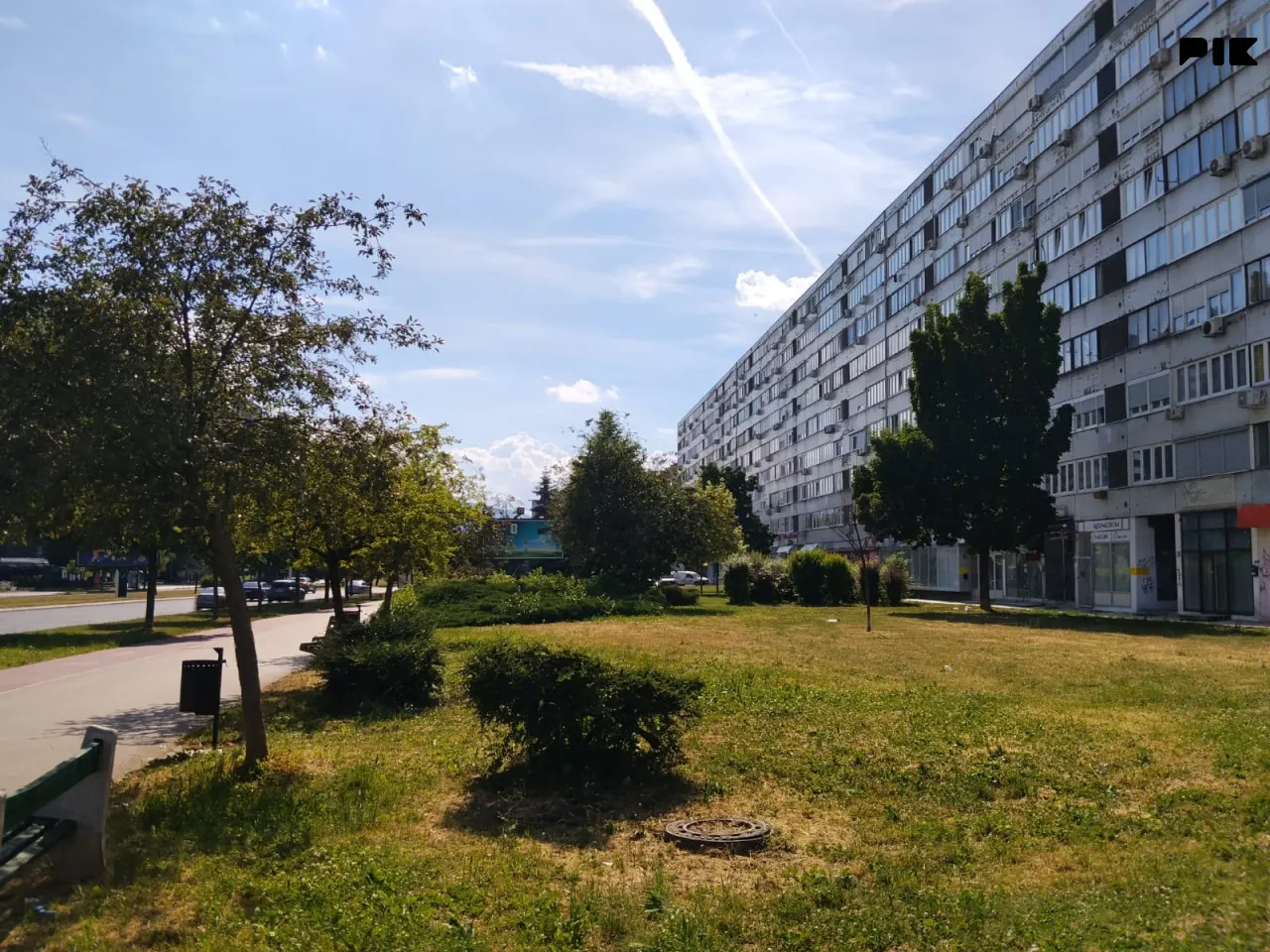
Sarajevo, Čengić Vila
Two-room flat, 54 m², 2nd floor, Čengić Vila - Stometarka
Sarajevo, Dobrinja C5, Novi Grad