Running costs of a flat in Bosnia: how to estimate them
Which running costs a flat in Bosnia has, how annual property tax works in RS, Brčko and FBiH, and how to estimate monthly costs from the seller's bills.
Updated: 16 October 2026
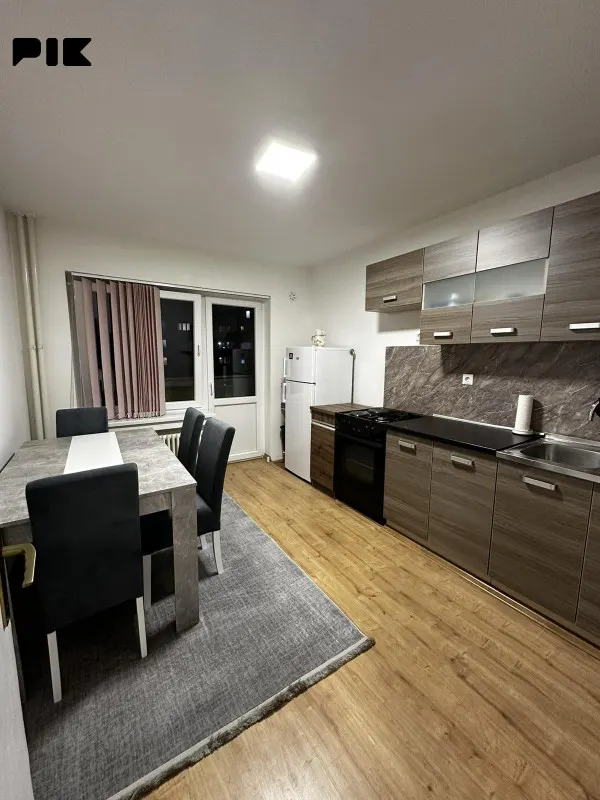
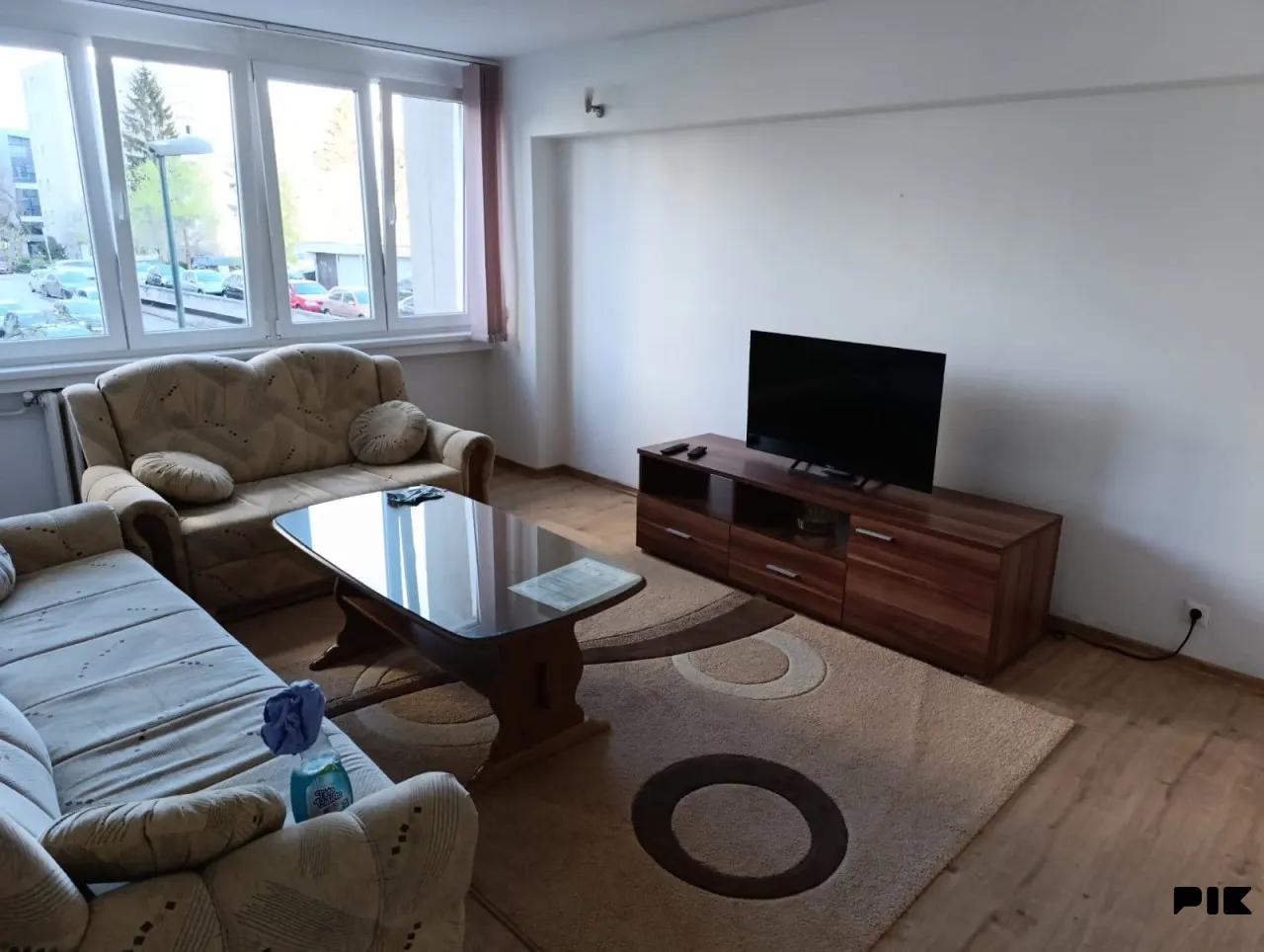
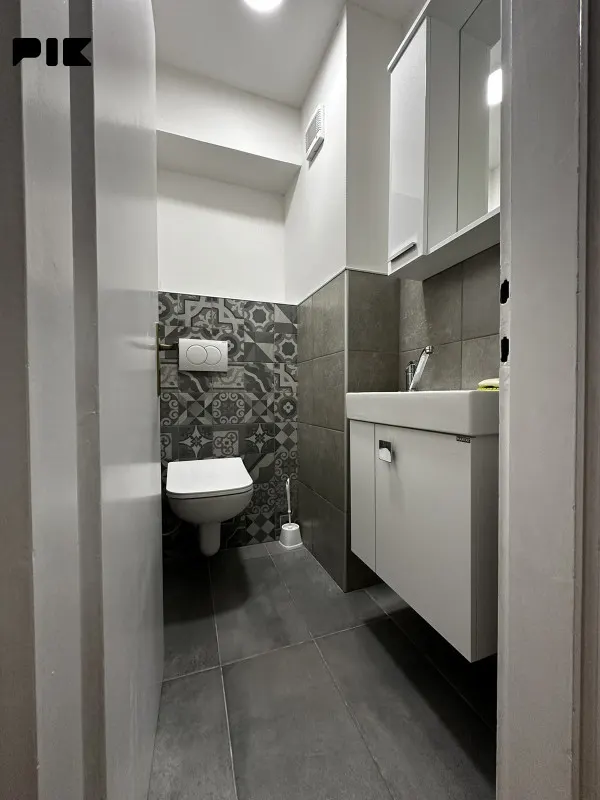
A flat in Bosnia and Herzegovina usually costs you electricity, heating, water, waste collection, a monthly fee for maintaining the building and, depending on where it is, an annual property tax. The amounts vary so much between cities, buildings and households that no national average tells you what a particular flat will cost. The reliable estimate comes from that flat's own bills for the last 12 months, its latest property tax bill and a statement from the building manager.
This guide therefore does not give a table of average utility prices or tariffs. It shows you exactly what to ask the seller for, how to turn those papers into a monthly figure, and how annual property tax works in Republika Srpska (RS), Brčko District and the Federation of BiH (FBiH).
What the running costs are made of
Locals call the regular household bills režije (utilities). Before you calculate anything, list everything the flat costs to run:
- electricity for the household,
- heating: district heating from a toplana (the city heating company), gas, electricity or another source,
- water and sewerage,
- waste collection,
- maintenance of the shared parts of the building, paid to the building manager (upravitelj),
- the public broadcasting fee (RTV taksa); ask the seller how it is collected for this flat,
- internet, TV and phone, which depend on your own choices,
- annual property tax, where it exists.
Keep these separate from the one-off costs of buying, such as transfer tax, notary fees and court charges. Those are covered in Costs of buying property in Bosnia. For example, the 5% tax often quoted for FBiH is the one-off transfer tax on a sale, not an annual property tax. In Sarajevo Canton the buyer pays it; in other cantons the seller usually does.
How to estimate the costs before you buy
- Ask for the bills for the last 12 months. One winter and one summer bill are not enough, because heating and electricity change a lot through the year. If the seller does not have every bill, ask for a consumption history from the supplier.
- Find out how the flat is heated. Ask which heating source it uses and how it is billed: by floor area or by metered use, all year round or only in the heating season. Confirm this with the heating company or supplier, not only with the seller.
- Ask about the building. Who is the manager, what is the monthly fee for this flat, how much money is in the building's account, and have the etažni vlasnici (the owners of the flats in the building) decided on any major works such as the roof, facade, lift or pipes.
- Ask for the latest property tax bill or decision, if the tax is charged in that place.
- Check for debts. Ask for confirmations that electricity, heating, water and the building fee are paid up. Whether and how an unpaid debt can pass to the buyer is something to check with the notary for your case.
- Add up and divide. Total the 12 months of bills, add the annual tax and divide by 12. That gives a realistic monthly average for this specific flat.
- Adjust for your household. If the seller lived alone and you are a family of four, electricity and water will be higher. If the flat stood empty, its bills tell you very little.
Heating: the cost that varies most
Heating is usually what separates two otherwise similar flats. Ask precisely:
- Is the flat connected to district heating, and is it billed per m² or by meter?
- Is heating billed all year or only during the season?
- Has the flat ever been disconnected from the system, and what would reconnection cost?
- If it is heated by gas or electricity, what condition is the equipment in and when was it last serviced?
- What are the insulation and windows like, and where is the flat (top floor under the roof, corner flat, ground floor above a cellar)?
Heating companies and suppliers publish their prices and billing rules, and these change by decision of the relevant authorities. Check the current tariff directly with them at the time you buy.
Building maintenance
The fee for maintaining the shared parts of a building is paid monthly, usually according to the flat's floor area. As a rule, the minimum is set by cantonal regulations in FBiH and by the local government in RS, and Brčko District has its own rules. The owners in a building can decide to pay more.
For a buyer, what the building faces matters more than the fee itself. A low fee and an empty building account can mean a large one-off bill in a few years, for example for the roof or the lift. Ask the building manager for:
- the monthly fee for this flat,
- the balance of the building's funds,
- minutes or decisions on planned works,
- confirmation that the flat owes nothing to the building.
Annual property tax in RS, Brčko District and FBiH
Republika Srpska
RS charges porez na nepokretnosti (real estate tax) under its Law on Real Estate Tax. The rate is at most 0.20% of the property's assessed market value. The tax base is the value on 31 December of the previous year, and municipalities and cities set values by zone. Each municipality or city sets its own rate up to that cap.
In practice:
- The RS Tax Administration (Poreska uprava) issues the poreski račun (tax bill) for the current year by 31 March.
- The tax is paid in two instalments, by 30 June and by 30 September, and the first must be at least half of the total.
- If you buy during the year, you receive a bill after the acquisition, and the tax is counted from the month of acquisition.
- Within 30 days, a new owner must register the property with the local tax office for the fiskalni registar nepokretnosti (fiscal register of real estate), if it is not already registered.
- The Tax Administration can send bills by email (eRačun).
Older sources say the tax base for a flat the owner lives in can be reduced by the value of 50 m² for the owner plus 10 m² for each household member. Check with the Tax Administration whether this reduction still applies in that form.
How the arithmetic works: at the maximum rate of 0.20%, every 100,000 KM of assessed value means at most 200 KM a year, or under 17 KM a month. The assessed value is the municipality's zone value per m² multiplied by the flat's area, minus any reduction for your home. The fastest way to know the real figure is to ask the seller for the latest tax bill.
Brčko District
Brčko charges porez na nekretnine (property tax) under its own law. The law allows a rate from 0.05% to 1.0%, and the District Assembly adopts the rate for the following year by 31 December. Public sources disagree about the rate currently applied, so check it with the Finance Directorate (Direkcija za finansije) or in the latest Assembly decision.
The tax is paid in two instalments: the first between 31 March and 30 June, the second between 1 July and 31 December. Deferral is possible in cases of serious financial hardship. Ask the seller for the latest porezno rješenje (tax decision).
First-home buyers in Brčko can also deduct the interest on a housing loan from their taxable income, with proof of interest paid submitted each year. This falls under income tax, not property tax, but it affects your total housing cost.
Federation of BiH
In FBiH, annual property tax is not set at Federation level; each canton regulates it. Who pays, how much and which exemptions apply differ from canton to canton. Some sources say no such tax is charged on a flat the owner lives in, or that the amounts are small, but that is not a rule for the whole Federation. Check with the cantonal tax office or the municipality where the flat is, and ask the seller whether they have ever received a property tax decision.
Example: a two-room flat in Sarajevo
Take the two-room flat of 54 m² on the 2nd floor in Čengić Vila, on offer at 309,000 KM. This is how you would build the estimate:
| Item | What to ask for | How to calculate |
|---|---|---|
| Electricity | 12 bills | total / 12, adjusted for your household size |
| Heating | 12 bills and the heating company's confirmation of the billing method | if billed per m²: tariff × 54 m² × months billed / 12 |
| Water and waste | 12 bills | total / 12 |
| Building | manager's statement of the fee and account balance | monthly fee, plus your estimated share of planned works |
| Property tax | any cantonal decision | annual amount / 12 |
The sum of the last column is your realistic monthly cost. If a figure is missing, do not assume it is zero; get it from the seller, the manager or the supplier before you sign the predugovor (pre-contract).
All eight flats DMI currently has on offer are in Sarajevo, with a median asking price of 5,722 KM per m² (range 3,667 to 6,574 KM). Between flats of similar price and size, the running costs, especially heating and the state of the building, can be the reason to choose one over the other.
Common mistakes
- Estimating from a single bill. A summer electricity bill says nothing about winter.
- Trusting verbal estimates. "The bills are low" is not information. Ask for paper.
- Ignoring the building. Planned works can cost more than a year of all the utilities together.
- Confusing one-off and annual taxes. Transfer tax is paid once; property tax, where it exists, is paid every year.
- Missing the RS registration. A new owner in RS must register the property for the fiscal register within 30 days, if it is not already registered.
- Unchecked debts. Get confirmations that everything is paid before any money changes hands.
Documents to ask the seller for
- electricity, heating, water and waste bills for the last 12 months,
- confirmations from suppliers that nothing is owed,
- the building manager's statement of the fee and that there is no debt,
- owners' decisions on planned works, if any,
- the latest property tax bill or decision,
- the ZK izvadak (land registry extract) to check ownership and charges; see Land registry extract in Bosnia.
This is general information, not legal advice. A notary or lawyer will confirm the details for your specific case, especially on tax and on whether any debts could pass to you.
How DMI helps
We visit every flat we list in person and check its land registry entry, legalisation status and photos before publishing it. If one of our flats interests you, we can ask the seller for the bills and confirmations on this list and help you compare them. For buyers abroad we offer video tours, and the full process is explained in Buying property in Bosnia from abroad.
Current listings
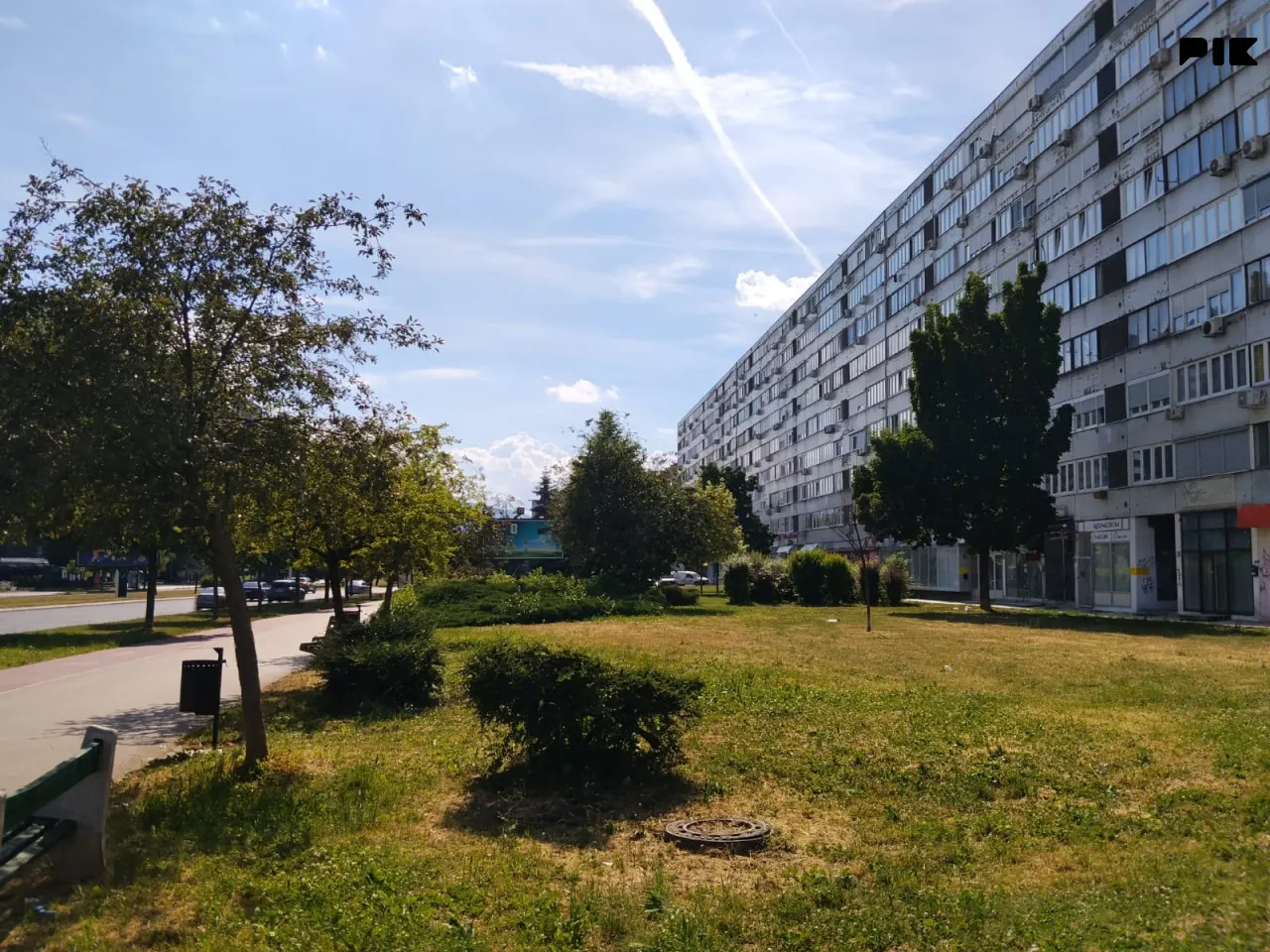
Sarajevo, Čengić Vila
Two-room flat, 54 m², 2nd floor, Čengić Vila - Stometarka
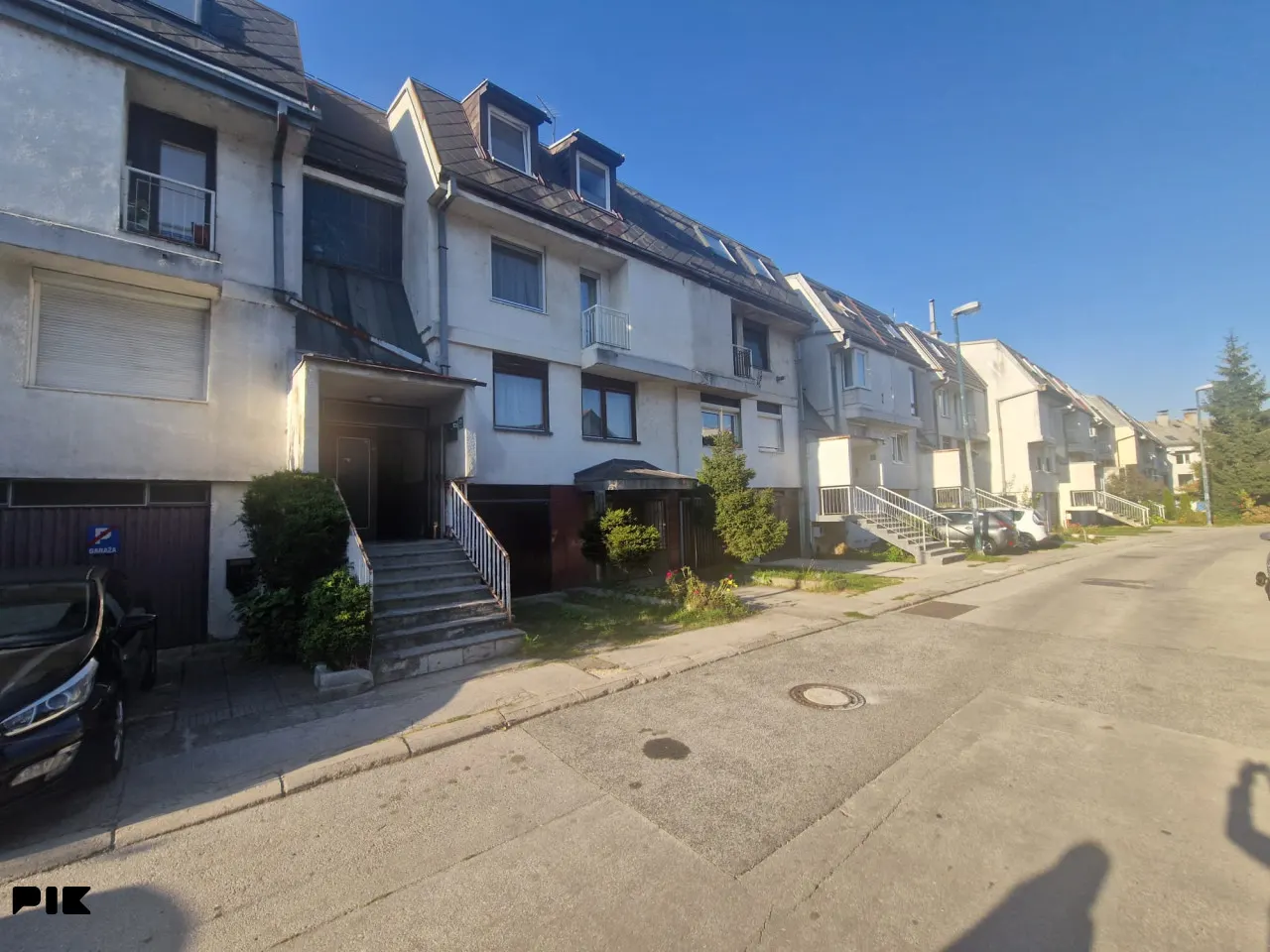
Sarajevo, Dobrinja C5, Novi Grad