Selling a mortgaged flat in Bosnia: how the loan is paid off
A flat with a mortgage can be sold in Bosnia. The buyer pays the debt straight to the seller's bank, the mortgage is deleted, then the seller gets the rest.
Updated: 19 October 2026
You can sell a flat in Bosnia and Herzegovina that still has a loan secured on it. The usual way is for the buyer to pay part of the purchase price directly to the seller's bank, which closes the loan. The bank then allows the mortgage to be deleted from the land register, and only after that deletion does the seller receive the rest of the price. The order matters most: a buyer should never pay the full price to the seller while the mortgage is still registered.
This is general information, not legal advice. A notary or lawyer, together with the bank that granted the loan, confirms the details for your specific case.
Why repaying the loan is not enough on its own
When the loan is repaid, the bank no longer has a claim, but the hipoteka (mortgage) stays recorded in the zemljišna knjiga (land register) until it is deleted. In FBiH (the Federation of Bosnia and Herzegovina) the Law on Property Rights says this directly: a registered mortgage ends when it is deleted from the land register, unless a law provides otherwise. For the buyer, this means a letter saying the loan has been repaid is not enough. What counts is a ZK izvadak (land register extract) that no longer shows the mortgage.
In RS (Republika Srpska) the principle of registering and deleting a mortgage is similar, but which office carries out the deletion and under which procedure should be checked with a notary for the specific property. For Brčko District, confirm the procedure with a notary or lawyer before anyone signs.
To read a mortgage entry on the extract (which bank, what amount, what rank), see How to check a Bosnian property for mortgages and burdens.
The role of the seller's bank
The seller's bank is effectively a third party to the sale, even though it does not sign the sale contract. It:
- receives the payment that closes the loan,
- once the loan is closed, files the request to delete the burden (zahtjev za brisanje tereta) at the land registry office (ZK ured), or gives the seller a document on the basis of which deletion can be requested,
- consents to a second-rank mortgage if the buyer is buying with a loan secured on the same flat.
In FBiH, the creditor's statement giving up its lien must be made in the same form that is required to create that lien. Whether that means a document drawn up by a notary or only a notarised signature in your case is something the notary confirms.
Banks in Bosnia do not all follow the same procedure. Before you agree terms with a buyer, ask your bank:
- Will it issue a written statement of the outstanding debt for a specific date, and how long is it valid (interest accrues daily)?
- Will it give a written confirmation that it will consent to deletion of the mortgage once paid?
- Who files the deletion request: the bank or the seller?
- Is there an early repayment fee, and how much is it?
- Which account and payment reference should the buyer use?
The order of steps: a recommended model
The sequence below is a recommended model, not a confirmed practice of every bank in Bosnia. The steps from paying the bank to paying the seller the balance match accounts of local practice. The written debt statement, the bank's confirmation and signing the contract before payment come from regional practice and should be agreed in advance with the bank and the notary.
- Check the land register extract. Buyer and seller see which mortgage is registered, in favour of which bank, and whether there are any other burdens.
- Debt statement and the bank's position. The seller asks the bank for a written debt statement and, if the bank provides one, a confirmation that it will allow deletion after payment. Check how your bank handles this before agreeing anything with the buyer.
- Agree price and payment method. Write down which part of the price goes to the bank, which to the seller, when and on what condition. If a kapara (deposit) is paid, agree its terms too.
- Contract at the notary. The contract describes precisely the payment to the bank, the deadline for deleting the mortgage and the payment of the balance. Whether the contract is signed before or after the bank is paid depends on the agreement and on what the bank and notary require, so check this in advance as well.
- Payment of the debt to the bank. The buyer pays the debt amount directly into the seller's loan account, never in cash and never into the seller's hands.
- Loan closed. The bank confirms the loan is closed and files for deletion or issues the document for deletion.
- Mortgage deleted. The land registry office deletes the mortgage. The buyer and the notary receive proof (the decision or a fresh extract).
- Balance paid and buyer registered. The buyer pays the rest to the seller, and the buyer is then registered as owner.
For safe ways to move the money, especially from abroad, see How to pay for property in Bosnia safely.
When the buyer uses a mortgage
If the buyer is taking a home loan secured on the same flat, one step is added at the start. The buyer's bank asks the seller's bank to agree that its new mortgage can be registered in second rank until the old one is deleted. After that, the process is the same as above, except that the buyer's bank pays off the seller's debt from the approved loan.
This takes longer because two banks have to coordinate. Set realistic deadlines and write them into the contract. The buyer's side of the process is covered in Mortgages in Bosnia: who qualifies, deposit and process.
Protecting the buyer in the gap
The riskiest moment is when the buyer has already paid money to the seller's bank but is not yet registered as owner. In that window:
- the seller could back out or die before registration,
- another creditor could appear, for example an enforcement entry or a new mortgage,
- deletion could be delayed by a mistake in the documents,
- in FBiH, the seller could use the repaid but not yet deleted mortgage to secure new borrowing, which the law allows under certain conditions.
A buyer can protect themselves in several ways:
- A refund clause in the contract. The contract should state clearly that the payment to the bank counts as part of the purchase price, and what happens if the sale is not completed: within what time and how the seller repays that amount, possibly with a contractual penalty.
- The notary holds back the copies. In practice a notary can certify a valid contract but keep the buyer's and seller's copies until proof of payment, or of the mortgage deletion, arrives. Agree this with the notary beforehand.
- A registered note of the promise to delete the mortgage. In FBiH, the owner cannot reuse a repaid mortgage if they have promised someone to have it deleted and that promise is recorded in the land register as a zabilježba (registered note). Recording such a note can protect the buyer, but whether and how it is used in your case should be checked with a notary or lawyer.
- A fresh extract before every payment. This shows that no new burden has been registered in the meantime.
- Notary deposit, where offered. Some notaries accept money into a separate account until registration. Ask the notary about the terms and cost.
What the seller should prepare
- the loan agreement and a contact person at the bank,
- a written debt statement for the planned payment date,
- the land register extract,
- ID and the other sale documents (see Documents you need to sell property in Bosnia),
- the loan account number and payment details issued by the bank.
If you live abroad, raise the bank questions early: many of these documents have to be collected in person or by someone holding your power of attorney.
An example
In DMI's current Sarajevo listings, the seven flats with a published price (two- and three-room, 54 to 75 m²) are asking between 275,000 and 359,000 KM. The median is 5,722 KM per m², with a range of 3,667 to 6,574 KM per m² depending on the neighbourhood, floor and condition.
Say you are selling a two-room flat for 300,000 KM and owe the bank 90,000 KM. The bank issues a debt statement for the payment date. At the notary you sign a contract stating that the buyer pays 90,000 KM directly into the loan account, and 210,000 KM to you, but only once the buyer has proof that the mortgage has been deleted. The contract also includes a clause on refunding the 90,000 KM if the sale is not completed. The bank closes the loan and enables deletion. After deletion, the buyer pays the balance and is registered as owner.
Common mistakes
- The buyer pays the full price to the seller on the promise that the seller will close the loan.
- The debt figure comes from an old statement, so a small balance remains after payment and the mortgage cannot be deleted.
- Nobody checks the early repayment fee.
- The contract says nothing about a deadline for deletion or a refund if the sale falls through.
- No fresh extract is taken before paying.
How DMI helps
DMI visits every listed property in person and checks the land register extract, legalisation and photos before publishing, so a mortgage is visible from the start. When a flat is sold with a loan on it, we help get the debt statement and a clear answer from the seller's bank on how it handles the payoff, in good time. We also coordinate the order of payments with the notary, so that neither buyer nor seller takes on unnecessary risk. Buyers abroad can view the flat by video tour.
Current listings
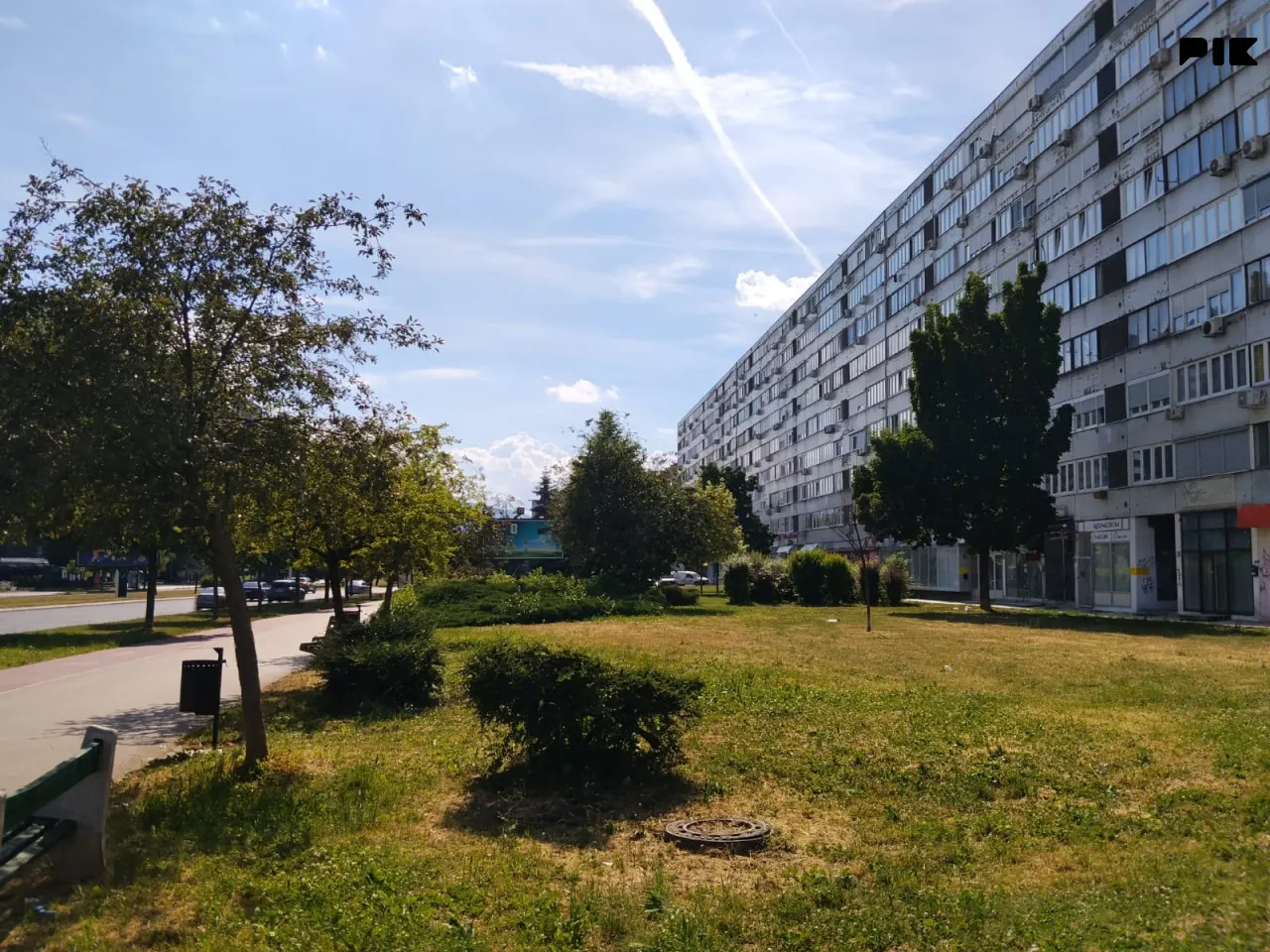
Sarajevo, Čengić Vila
Two-room flat, 54 m², 2nd floor, Čengić Vila - Stometarka
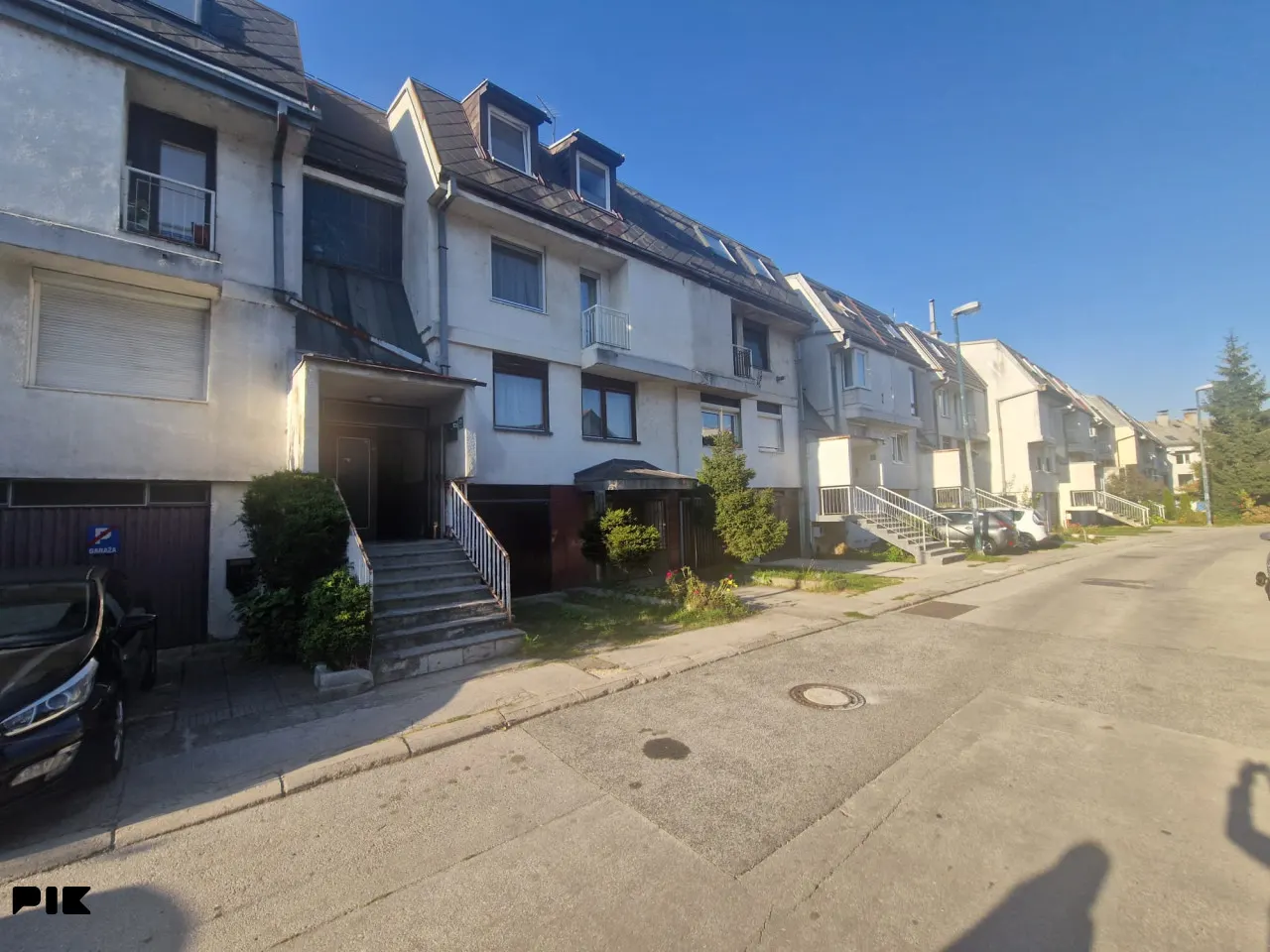
Sarajevo, Dobrinja C5, Novi Grad