Documents you need to sell property in Bosnia
To sell in Bosnia you need a clean land registry extract, a flat registered as a separate unit and legal build status. What to fix before you advertise.
Updated: 16 October 2026
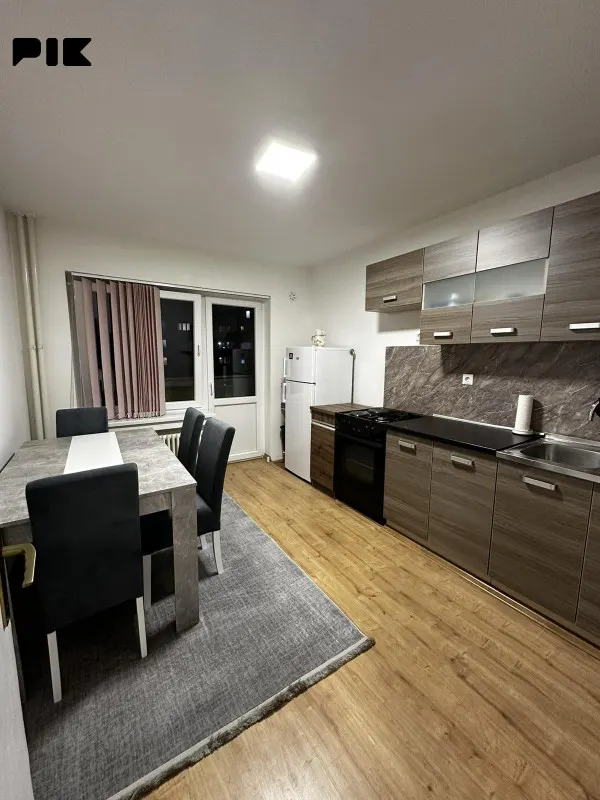
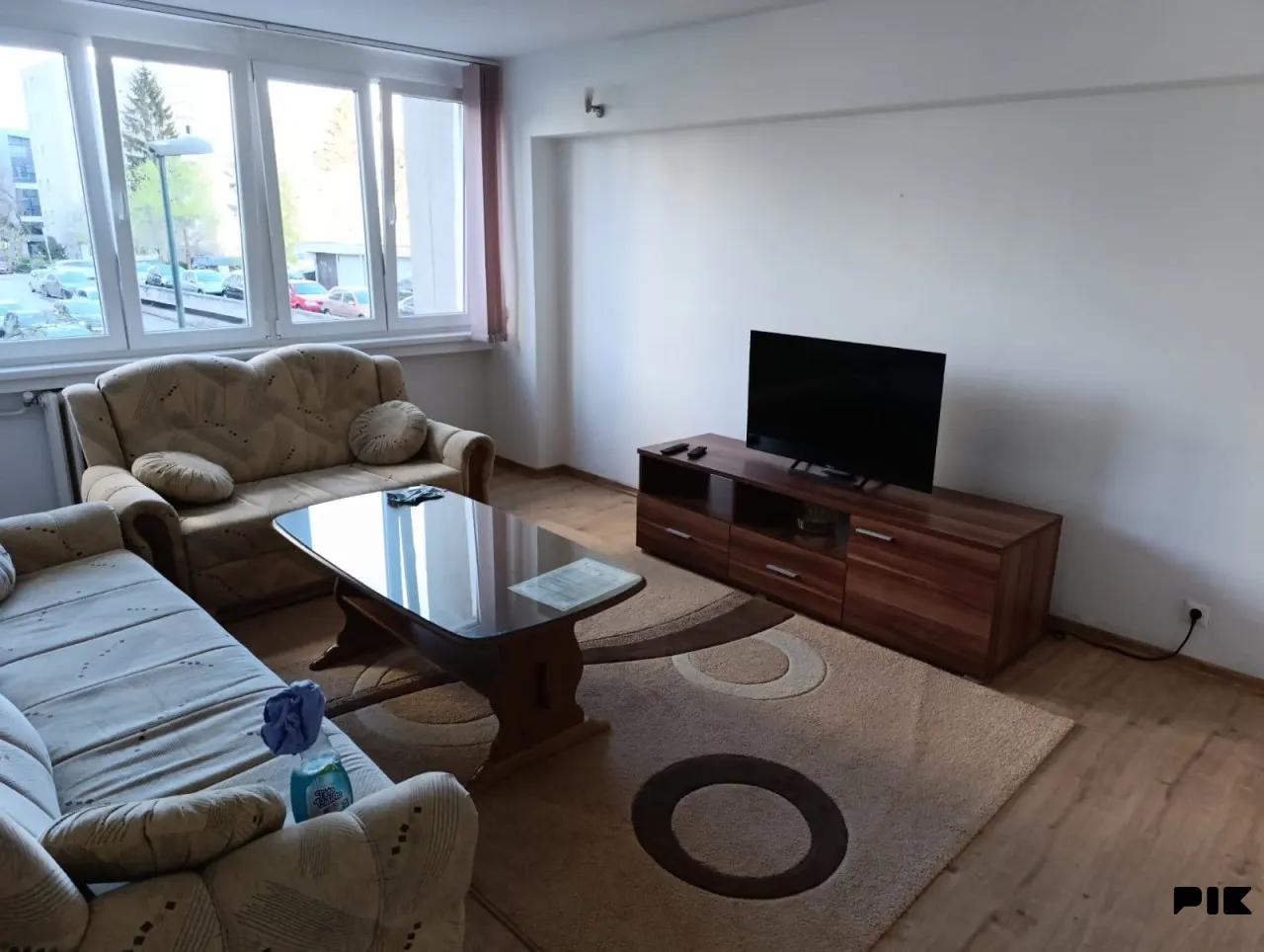
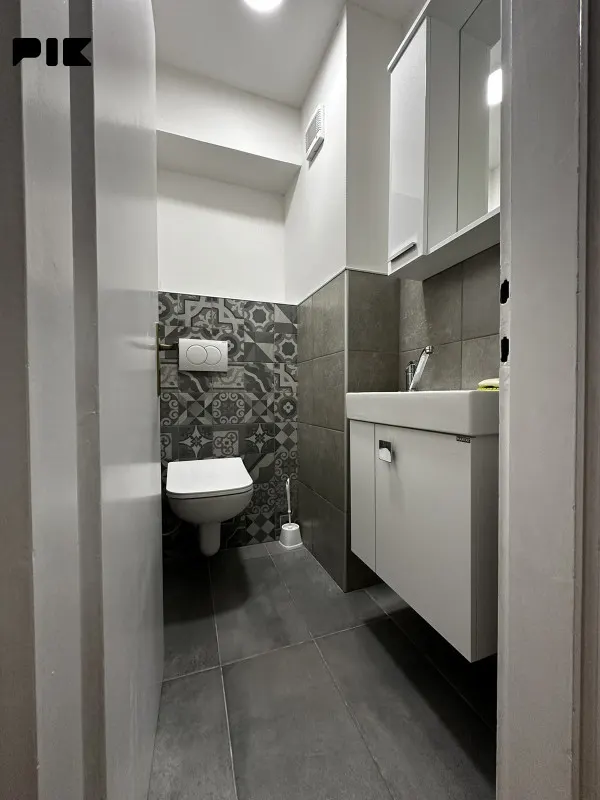
To sell property in Bosnia and Herzegovina, the key requirement is that you are registered as the owner in the land register and that the land register matches the cadastre. If you are selling a flat, it should be registered as a separate unit in the building, and the building itself should be legal. It is best to sort all of this out before you advertise, because the buyer, the buyer's bank and the notary will ask for exactly these papers.
This guide is general information, not legal advice. A notary or lawyer confirms what applies to your property, and the relevant office confirms anything to do with registration.
Quick checklist
- ZK izvadak (land registry extract) showing you as the owner, with no encumbrances you are not prepared to clear before the sale.
- Cadastral records that match the land register. In Republika Srpska (RS) this can be, for example, a list nepokretnosti (property sheet) or posjedovni list (possession sheet).
- Proof of separate ownership (etažno vlasništvo) if you are selling a flat or a business unit in a building.
- Proof that the building is legal. This means a building permit and a use permit, or a legalisation decision.
- ID documents for every registered owner. If an owner cannot attend in person, a power of attorney.
- Energy certificate, but only if the rules for your type of property and entity require one, or the buyer asks for it (see below).
- Confirmation that there are no debts for utilities and the building's shared costs. Buyers increasingly ask for this.
The land registry extract: proof that you own it
The ZK izvadak (from zemljišna knjiga, the land register, also called gruntovnica) is the first thing a buyer looks at. Check three things on it:
- you, and any co-owners, are registered as owners;
- the description of the property matches reality;
- whether there are any encumbrances, such as a mortgage or a note of a dispute.
For a fuller explanation of how to read an extract, see Land registry extract in Bosnia: checking ownership before you buy.
Bosnia has two entities, the Federation of BiH (FBiH) and Republika Srpska (RS), plus Brčko District. The rules and offices differ between them.
FBiH
Land books are kept under the Law on Land Registers of FBiH (Zakon o zemljišnim knjigama FBiH). Registration is handled by the land registry offices of the municipal courts. The cadastre (the survey-based record of plots and buildings) is kept by the municipal or city services for geodetic and property affairs.
If the land register and the cadastre do not match, you start the process of aligning them with these services. This can take time, so do not leave it until you have a buyer.
Republika Srpska
Records are kept by the Republic Authority for Geodetic and Property Affairs (RGURS) through its local units. Depending on which records exist for your area, this may be one of the following:
- the katastar nepokretnosti (real estate cadastre);
- the land cadastre;
- the land register;
- the census cadastre;
- the knjiga uloženih ugovora (KUU, a book of deposited contracts).
At the local unit you can request the following documents:
- a property sheet;
- a land register entry (ZK uložak);
- a possession sheet;
- an extract from the KUU;
- a copy of the cadastral plan;
- an ownership certificate.
You file the request at the local unit and pay a fee, unless you can show proof of exemption. In RS a sale contract is also accompanied by a questionnaire for the Real Estate Price Register (Registar cijena nepokretnosti).
Brčko District
For Brčko District, check the procedure and fees directly with the land registry service or with the notary who will draw up the contract.
Etažiranje: when you sell a flat
Etažiranje means registering a flat as a separate unit in the land register. A flat is sold as etažno vlasništvo (separate ownership of a unit in a building).
If your flat is not registered this way, the buyer cannot register that specific flat in their name. This is a common reason buyers and their banks hesitate, so check it first.
FBiH
Under the Law on Property Rights of FBiH (Zakon o stvarnim pravima), separate ownership works like this:
- It is tied to a co-ownership share of the property and can only be transferred together with that share.
- It can exist on a self-contained unit, such as a flat or business space. It can extend to balconies, terraces, cellars, attics, gardens and up to two parking spaces per unit.
- It is set up by the owner's declaration of division or by an agreement between co-owners.
- It is acquired only once it is entered in the land register.
So check whether the cellar, storage room or parking space you plan to sell with the flat is actually registered with it. The buyer cannot register in their name anything that is not registered.
If you are selling a flat in a building still under construction, the buyer becomes a provisional separate owner. According to expert commentary on the law, the buyer should not pay before that provisional ownership is registered. For off-plan sales, see also Buying a new-build flat in Bosnia.
RS and Brčko District
In Brčko District, property rights are governed by the District's Law on Ownership and Other Property Rights. For both RS and Brčko District, check the registration procedure with the relevant office or a notary before you advertise. This includes the survey documentation, who approves it and what it costs.
Legalisation
The buyer, and the buyer's bank, will want to know that the building was built with a permit or was legalised afterwards. Problems arise when an extra floor was added, a loggia was enclosed or an attic was converted without legalisation. The real situation then no longer matches the papers, which can stop the sale or the buyer's loan.
In FBiH, legalisation is handled by municipal or city services together with the Federal Administration for Geodetic and Property Affairs. Rules, deadlines and costs can differ between cantons and entities, so check with your municipality. What buyers look for is covered in Legalisation of property in Bosnia.
Energy certificate
This is where the rules are least clear.
In RS, rulebooks on energy inspections of buildings and on issuing energy certificates were adopted some years ago under the Law on Spatial Planning and Construction. Under those rulebooks, a certificate was a condition for the use permit of new buildings.
Whether the rules are still the same today, and whether a certificate is needed when you sell an existing flat, is something to confirm with a notary or the relevant ministry.
For FBiH and Brčko District, ask your notary whether a certificate is needed for your sale. Do not rely on Croatian or Serbian rules you may find online, because they do not apply in Bosnia.
Costs and obligations for the seller
Know what to expect before you advertise, so that you can set a realistic price.
Notary. In practice, the sale contract is drawn up by a notary. Who pays the notary's fees is agreed between you and the buyer. The notary will tell you the amount in advance.
Property transfer tax. In FBiH it is set at cantonal level, and RS and Brčko District have their own rules. Check who pays it and how much with the tax administration or your notary.
Capital gains tax. This may apply to the seller in some cases. Ask the tax administration whether it applies to you. If you live abroad, also ask a tax adviser in your country of residence.
Utility and building debts. Make sure nothing is owed for:
- electricity, water and heating;
- municipal services;
- the building's shared costs (the reserve fund and the building manager).
Buyers often ask for confirmation that bills are paid.
Encumbrances. If a mortgage is registered, agree with your bank how it will be removed, for example from the sale proceeds.
What to sort out before you advertise: step by step
- Get a fresh land registry extract. Check that you, and all co-owners, are registered as owners.
- Compare the land register with the cadastre. If they differ, start aligning them now.
- Check that the flat is registered as a separate unit, and that any cellar, storage room and parking space are registered with it.
- Compare the actual property with the permits. If there are unlegalised additions, ask your municipality what is needed.
- If you inherited the property, check that probate is complete and the heirs are registered.
- Settle or document any utility and building debts, and gather the confirmations.
- Ask a notary which documents they need for the contract and whether you need an energy certificate.
- If you live abroad, or a co-owner cannot attend, arrange a power of attorney in good time.
Common mistakes
- You advertise, find a buyer, and only then discover that the land register and the cadastre show different floor areas.
- You sell a flat that is not registered as a separate unit, and the buyer's bank refuses the loan.
- You advertise a "flat with parking", but the parking space is not registered with the flat.
- An inherited property is still registered in the name of a deceased parent.
- An extension or enclosed loggia is not legalised, but is included in the price per m².
- You expect the buyer to take over building debts without having agreed it.
Example
The owner of a two-room flat of 54 m² in Čengić Vila, Sarajevo, wants to sell.
She gets a land registry extract. It shows her as the owner, but the cellar she uses is not registered with the flat. In the advert and the contract she therefore lists only what is registered, or she starts the registration before the sale.
She then works through the rest of the paperwork:
- she checks that the enclosure of the loggia was approved;
- she obtains confirmation that there are no utility or reserve fund debts;
- she agrees with a notary what is needed for the contract.
Only then does she publish the advert.
For a sense of price: at the time of writing, DMI has three two-room flats of 54 m² in Sarajevo on offer. Their asking prices are:
- 309,000 KM (Čengić Vila, 2nd floor);
- 339,000 KM (Čengić Vila, 4th floor);
- 355,000 KM (Bulevar Meše Selimovića, raised ground floor).
The median asking price across our listings is 5,722 KM per m². This is based on a small sample of 7 flats, all in Sarajevo. These are asking prices, not achieved prices, and serve only as a rough guide. KM is the convertible mark, the local currency.
How DMI helps
We visit every property in person before we publish it. We check the land register entry, the legalisation status and the photos. If something is not in order, we tell you what to fix before advertising, so that the sale does not stall with the buyer or the notary. For buyers abroad, we offer video tours of the property. If you want to sell, contact us through Sell your property.
Current listings
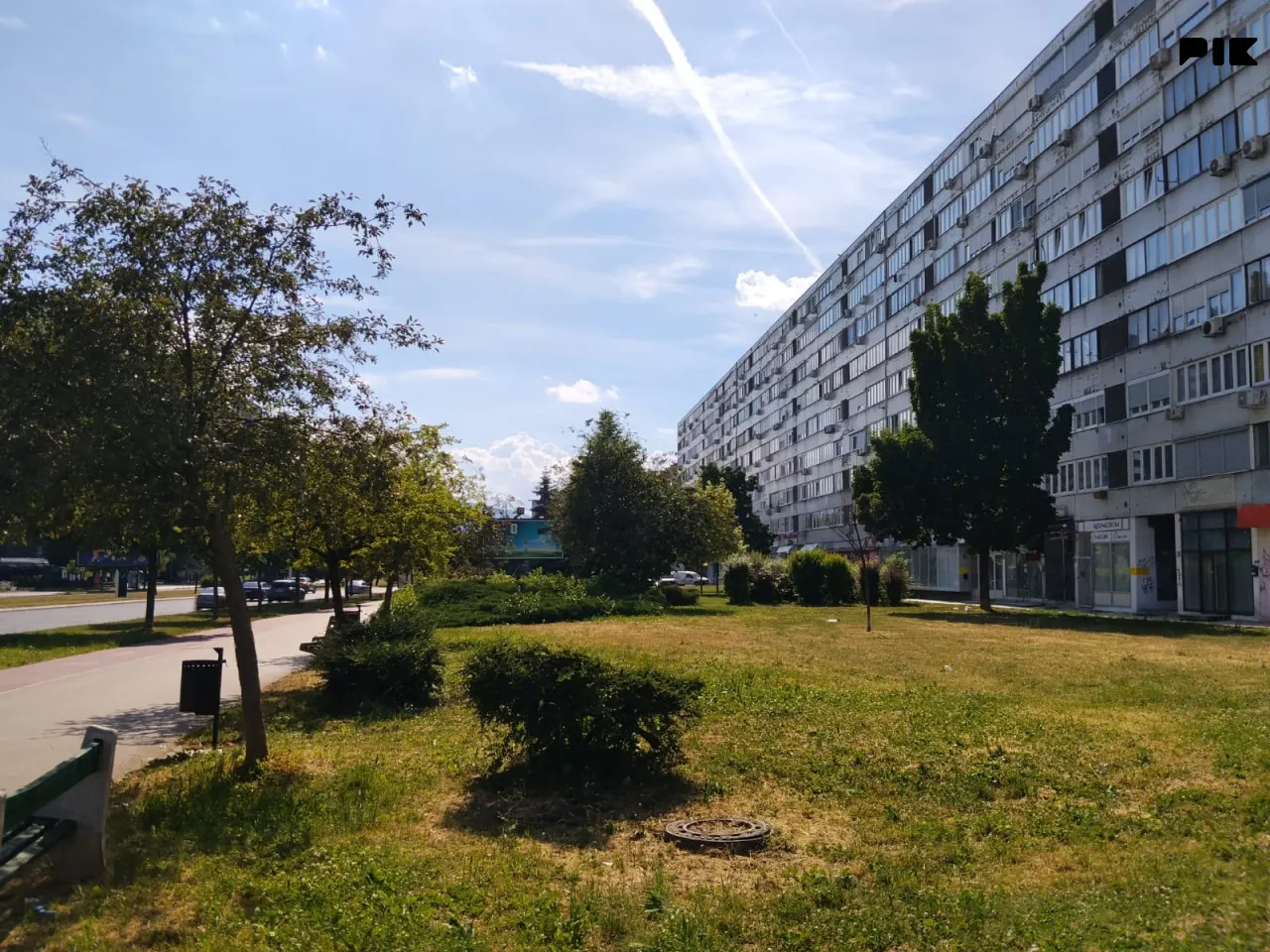
Sarajevo, Čengić Vila
Two-room flat, 54 m², 2nd floor, Čengić Vila - Stometarka
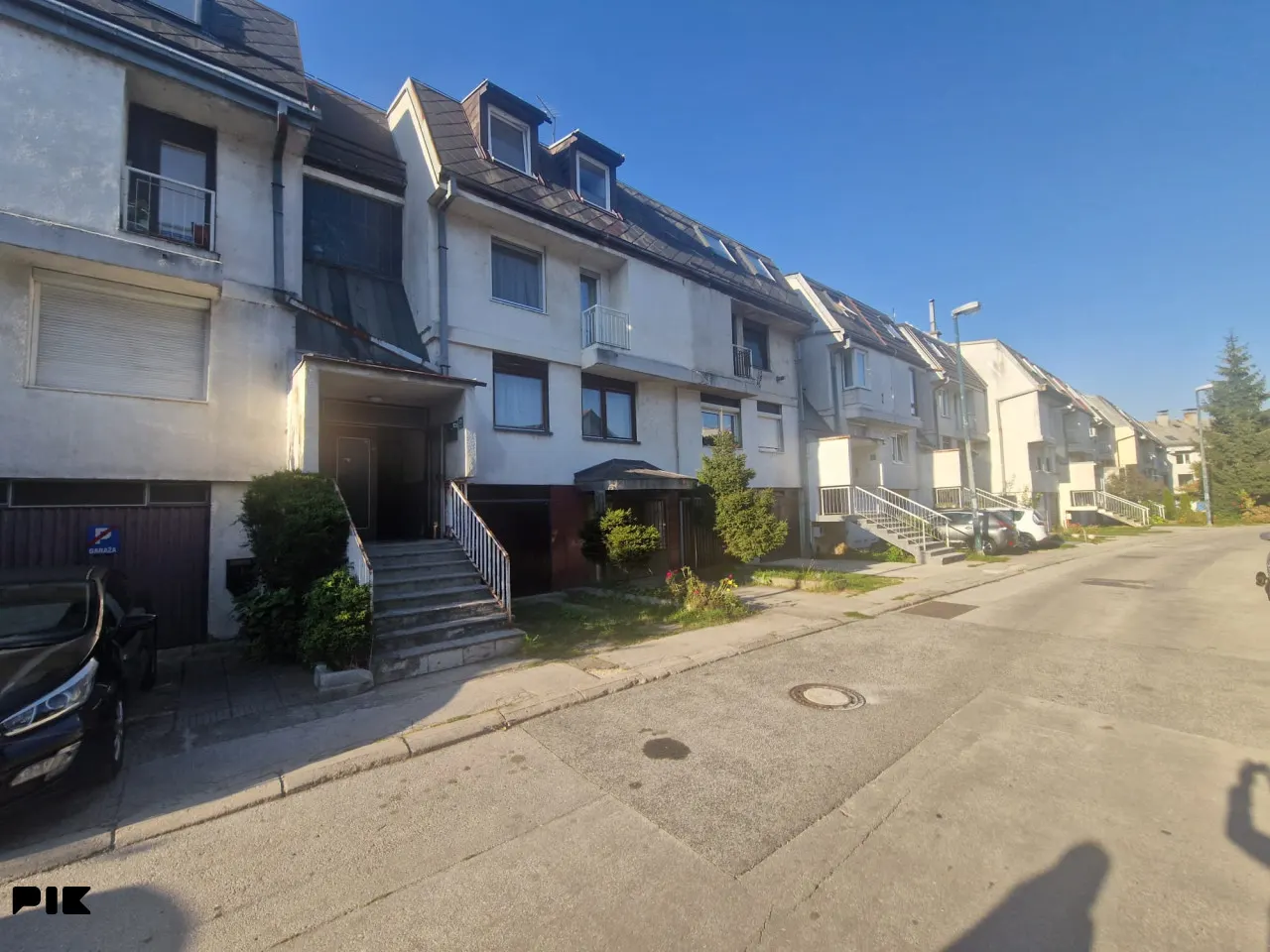
Sarajevo, Dobrinja C5, Novi Grad