Common mistakes sellers make in Bosnia and how to avoid them
Most Bosnian property sales stall because of four mistakes: a price set too high, poor photos, paperwork not in order and sellers hard to reach for viewings.
Updated: 19 October 2026
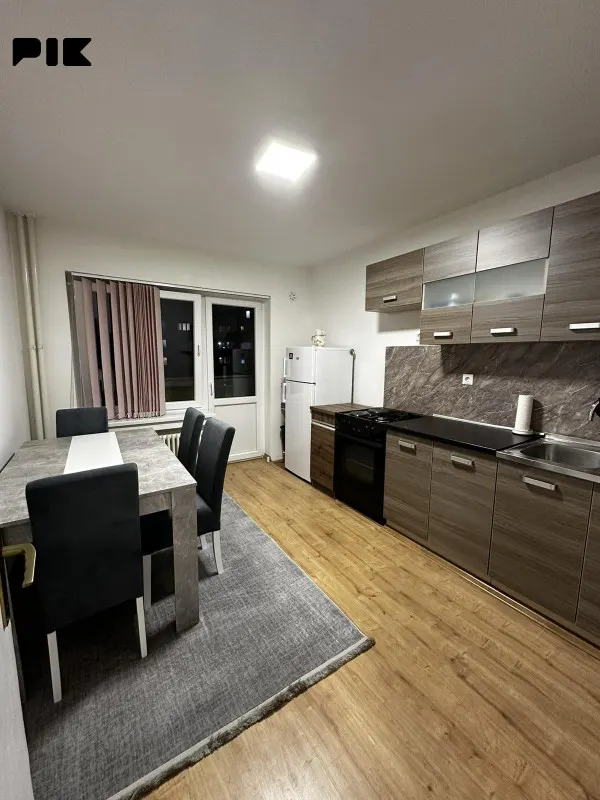
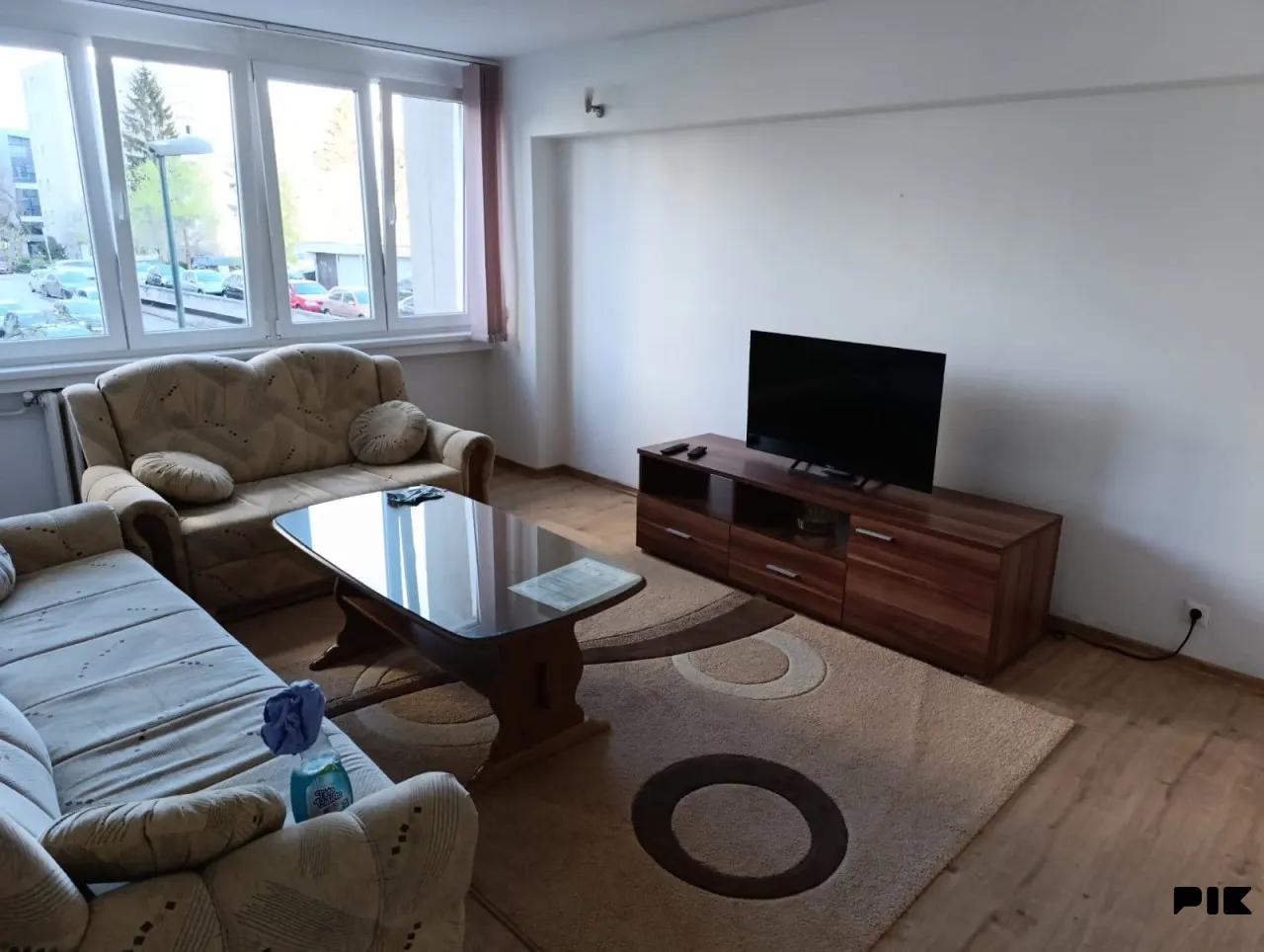
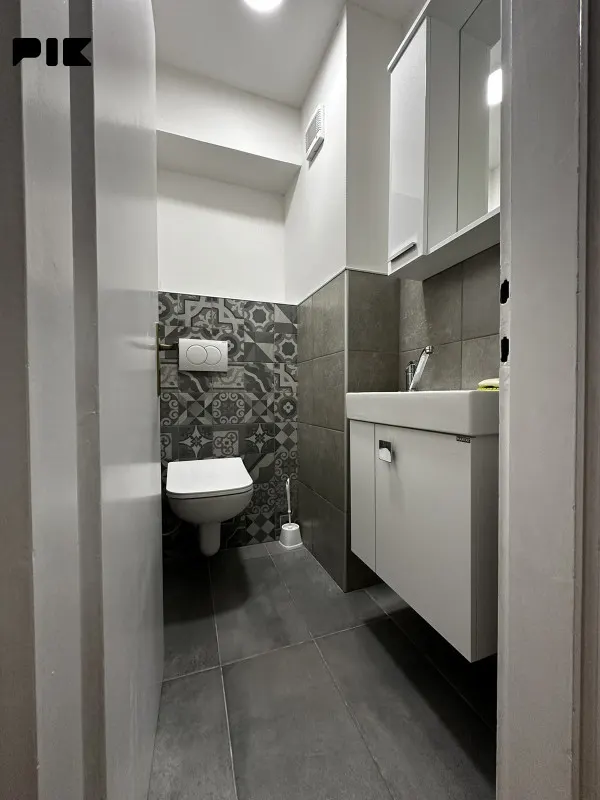
Most property sales in Bosnia and Herzegovina stall because of four mistakes: the price is set above what buyers in that neighbourhood pay, the photos do not show the flat as it is, the paperwork is not sorted before the listing goes live, and the seller is hard to reach for viewings. All four can be fixed before you advertise, which costs far less than fixing them after months without a serious buyer. Below, each mistake is explained with how to spot it and what to do.
This is general information, not legal advice. A notary or lawyer will confirm what applies to your property and your municipality.
1. Asking too much
The most common mistake is a price based on what the owner wants or needs, rather than on what buyers actually pay for similar flats. Buyers compare dozens of listings before they call. A flat priced above comparable ones in the same area often gets no calls at all, even when it is in good condition.
Why it hurts more than it seems
- The listing goes stale. Buyers notice a flat that has been on offer for months and start wondering what is wrong with it.
- Price cuts weaken your position. Once you have to reduce the price, buyers read it as a sign you will concede more, and they negotiate harder.
- You lose the keenest buyers. People actively searching watch new listings most closely in the first weeks. If the price puts them off then, they rarely come back.
How to set the price
- Compare flats in the same neighbourhood with similar size, floor and condition.
- Remember that prices in ads are asking prices, not the prices at which sales actually closed.
- If the flat has a known defect (damp, old wiring, a paperwork issue), build it into the price from the start. The buyer will find it anyway and ask for a discount.
- Decide in advance the lowest price you will accept, so you are not deciding under pressure during negotiation.
The full method is in our guide How to price a property for sale in Bosnia.
What DMI's listings show
DMI currently has eight flats on offer, all in Sarajevo. For the seven with a published price, the median asking price is 5,722 KM per m² (KM is the Bosnian convertible mark), with a range of 3,667 KM to 6,574 KM per m². Differences within one neighbourhood are large: two two-room flats of 54 m² each in Čengić Vila are listed at 309,000 KM (2nd floor) and 339,000 KM (4th floor). A single "price per square metre for the area" is not enough; floor, condition, a loggia or balcony and furniture all move the price. This is a small sample of asking prices in Sarajevo only, so treat it as orientation, not a valuation.
2. Poor photos and a weak listing
The photos are the first viewing. Dark, crooked phone shots of an untidy flat put off buyers who might have bought it had they seen it in person. There are no official rules on this, so the advice below comes from practice.
Common mistakes
- Shooting in the evening or under artificial light, so rooms look smaller and darker.
- Personal items, laundry, dishes and cables in the frame.
- Too few photos, or photos of only some rooms, which buyers read as hiding something.
- Heavy editing. A buyer who arrives and sees a different flat loses trust.
- A listing without the basics: size, floor, lift, heating, orientation and the state of the paperwork.
What to do
- Tidy up and clear surfaces before shooting.
- Shoot in daylight, curtains open and lights on.
- Photograph each room from a corner so the whole space is visible, plus the loggia or balcony and the view.
- State exactly what is included in the sale, for example furniture, a storage room or parking.
- If you are also selling to buyers abroad, consider a video of the flat.
A practical checklist is in How to prepare a flat for photos and viewings in Bosnia.
3. Paperwork not in order
This is the mistake that most often breaks a sale that was already agreed. A buyer agrees terms with you, and then the checks show that ownership is not registered in your name, that a charge is registered against the property, or that the building lacks the necessary permits. The sale is delayed or falls through, and the buyer often asks for a lower price.
What to check before you advertise
- Proof of ownership. Get a recent extract from the register in which your property is recorded and check that you are listed as the owner. Depending on the location this may be the zemljišna knjiga (land registry) or the katastar (cadastre, the survey register). Which register applies and how you obtain the extract depends on where the property is, so check with the competent office or a notary.
- Matching data. The details of the same flat in different records and in reality (floor area, floor, flat number, owner's name) sometimes do not match. If you spot a difference, ask the competent office what is needed to correct it, because this can take time.
- Charges. Check whether a mortgage or other burden is registered against the property. If you are selling a flat with an outstanding loan, agree with your bank in advance how the loan will be paid off.
- Permits and legalisation. For a flat in a newer building, a missing upotrebna dozvola (occupancy permit) can be an obstacle to registering the buyer as owner. If part of the building was built without a permit or is going through legalizacija (legalisation of unpermitted construction), buyers will ask about it straight away.
- Inheritance and co-ownership. If you inherited the flat, the ostavinski postupak (probate proceedings) should be completed. If the property has several owners, check with a notary who must sign the contract and under what conditions signing through a punomoć (power of attorney) is possible.
- Registration as a separate unit. For flats in apartment buildings, buyers and notaries often ask whether the flat is registered as a separate unit of the building, a process known as etažiranje. Ask a notary whether this is needed for your sale.
Why do this before, not after
Buyers using a mortgage depend especially on clean paperwork, because the bank checks the property before approving the loan. What exactly a given bank requires is something you and the buyer should confirm with that bank. The sale contract is usually drawn up at a notary. Confirm with the notary what they will check in your case and which documents they need before you sign a pre-contract.
The full list is in Documents you need to sell property in Bosnia.
4. Not being available for viewings
A buyer who has called twice without getting an appointment, or waited a week for a viewing, has usually found another flat in the meantime. This is especially common with owners living abroad or in another city, and with flats occupied by tenants.
How to stay available without putting your life on hold
- Set two or three fixed viewing slots a week, including the weekend.
- If you do not live locally, leave a key with someone you trust or with an agency.
- If tenants live in the flat, agree viewing times and the state of the flat with them in advance.
- Return calls the same day. A quick reply tells the buyer the sale is serious.
- Prepare answers to the usual questions: monthly costs, heating, the condition of the building, the paperwork.
During the viewing, let the buyer look around in peace. Do not keep listing the advantages and do not hide defects. A buyer who discovers them later usually uses them to push for a bigger discount, or walks away.
Example: how the mistakes add up
The owner of a 54 m² two-room flat in Sarajevo lists it at a price noticeably above similar flats in the area, with a few dark photos and nothing about the paperwork. They live abroad, so they arrange viewings only when home on holiday. After several months a buyer with a mortgage comes forward, but the checks show that the floor area in the records does not match reality. Correcting it takes time, the buyer withdraws, and the owner cuts the price.
The same flat, priced in line with similar listings, with tidy daylight photos, paperwork checked before listing and a key left with someone trusted, would have had a much better chance of selling sooner and without a large discount. None of these steps needs much money, only preparation.
Short checklist before you advertise
- Price comparable with similar flats in the same neighbourhood
- Known defects reflected in the price
- Tidy flat and daylight photos of every room
- Recent ownership extract and a check for charges
- Status of permits and legalisation checked
- Probate completed and all co-owners in agreement
- Viewing slots agreed and someone holding a key
How DMI helps
Every flat DMI lists is visited in person, and its land registry entry, legalisation status and photos are checked before it is published. That way paperwork problems come to light before a buyer appears. We help you set a price based on what is actually on offer in your neighbourhood, organise viewings when you are not in the country, and offer video tours to buyers abroad. If you are thinking of selling, contact us through Sell your property.
Current listings
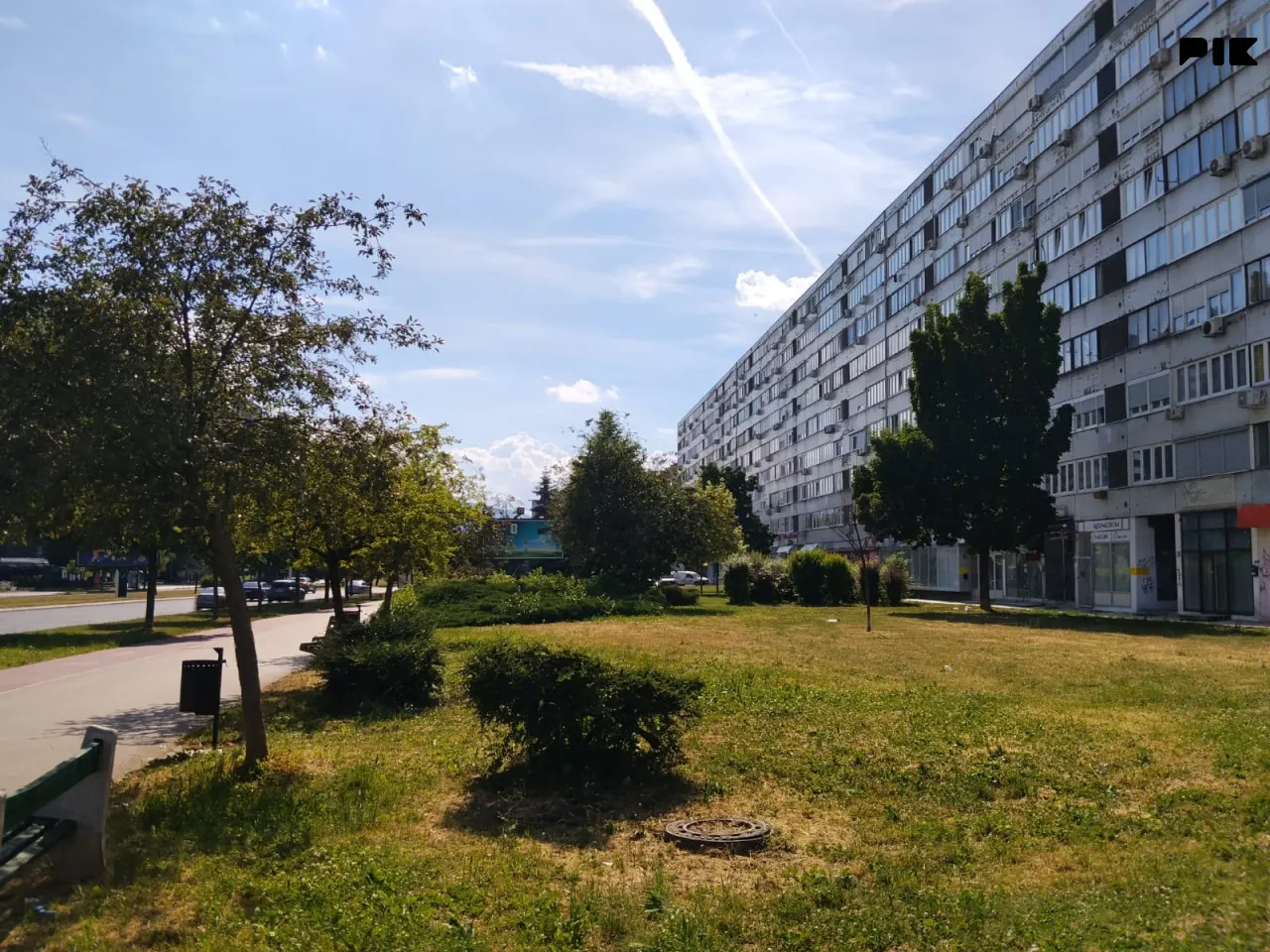
Sarajevo, Čengić Vila
Two-room flat, 54 m², 2nd floor, Čengić Vila - Stometarka
Sarajevo, Dobrinja C5, Novi Grad