Buying property in Bosnia from the Netherlands: POA and tax
Buy in Bosnia from the Netherlands through a power of attorney, certified at a BiH mission or by a Dutch notary with an apostille, and declare it in Box 3.
Updated: 19 October 2026
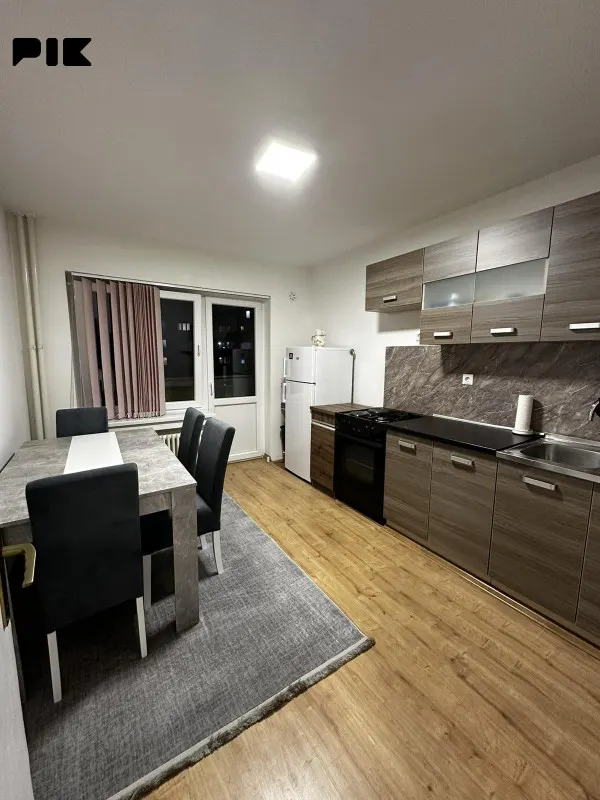
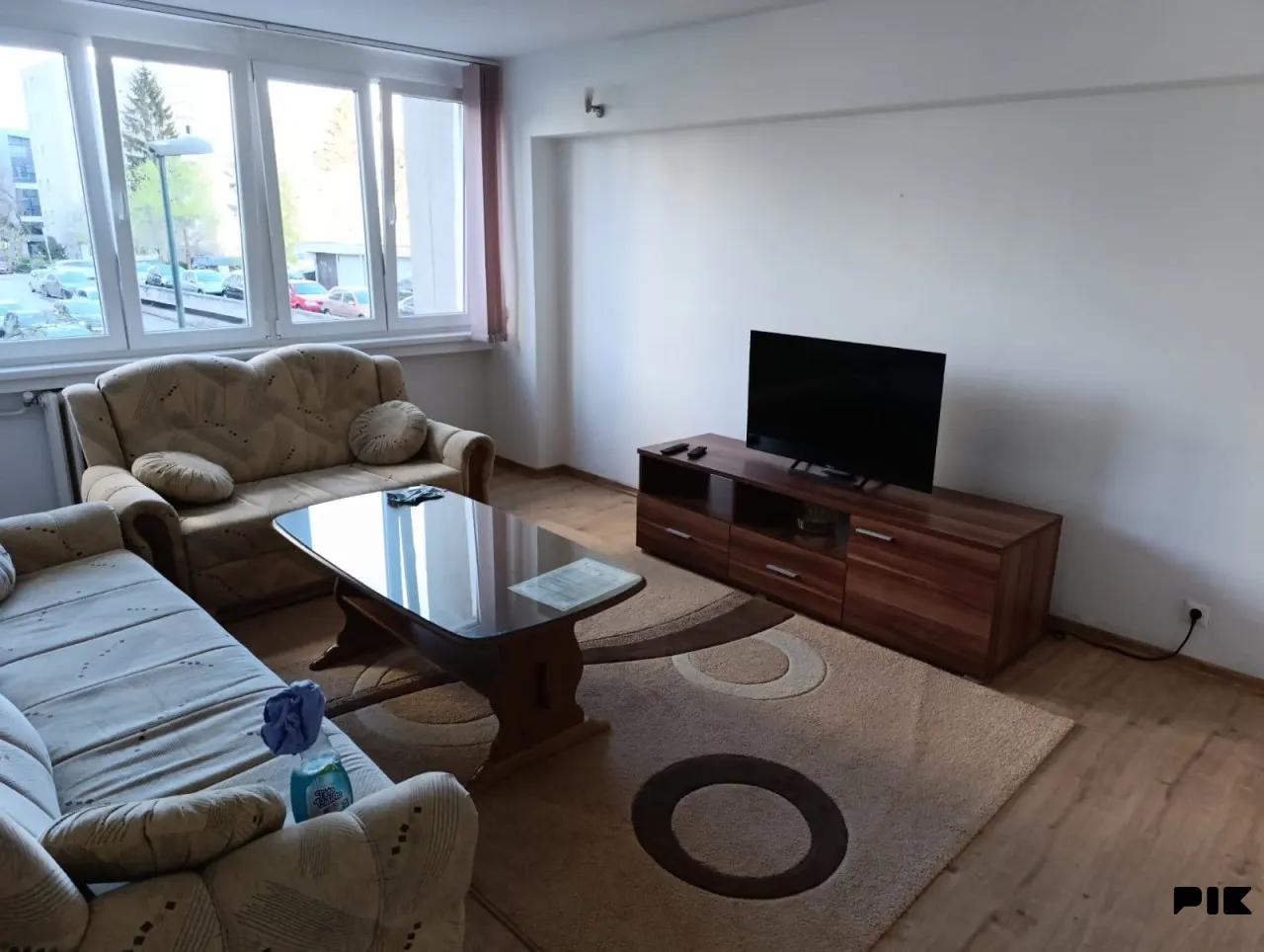
You can buy a property in Bosnia and Herzegovina (BiH) while living in the Netherlands without travelling, by giving someone a punomoć (power of attorney). If you hold a valid BiH passport or ID card, other BiH missions in Europe have you sign it in person before an embassy or consulate officer. The BiH Embassy in The Hague is likely to work the same way, but confirm this with the embassy before you go. Without valid BiH documents, the usual route is a Dutch notary plus an apostille. Once you own the flat, you declare it in Box 3 of your Dutch tax return. The Netherlands-BiH tax treaty normally reduces the Dutch tax on it, but does not always remove it entirely.
This is general information, not legal or tax advice. A notary or lawyer in BiH confirms the details for your case, and the Belastingdienst (Dutch tax administration) or a tax adviser confirms the Dutch side.
First check where the property is: FBiH, RS or Brčko District
BiH has two entities, the Federation of BiH (FBiH) and Republika Srpska (RS), plus Brčko District. Each sets its own rules on the form of a property contract, and that affects what your representative may and must sign. So find out where the property is and who will draw up the contract before you prepare the power of attorney.
- FBiH: The FBiH Constitutional Court (case U-15/10) struck down the provision of the Law on Notaries that required property contracts to be drawn up by a notary. According to the FBiH Supreme Court's position, as reported in the media, a lawyer may draft the contract, but the parties' signatures must be certified by a notary or a court before the land registry will record the transfer. Some sources still say the opposite, and the law may have changed since, so confirm current practice with a notary.
- Republika Srpska: According to lawyers' reading of the RS Law on Notarial Service (Official Gazette of RS 28/21), a notarski obrađena isprava (notarial deed, a document drawn up by the notary rather than just certified) is mandatory for transferring and acquiring ownership of real estate, and a contract without one is void.
- Brčko District: There is a list of transactions that need a notarial deed, and lawyers may prepare documents and represent clients before notaries. Confirm the exact scope with a notary in Brčko.
The power of attorney: what it should contain
As a general rule, dealing with real estate (buying, selling, mortgaging) requires a power of attorney with a notary-certified signature. Treat this as a rule to confirm for your case: we could not tie it to a specific article of law in each entity.
For property in RS in particular, ask the RS notary who will draw up the contract, before you sign anything:
- whether the power of attorney itself must be a notarial deed, or whether a certified signature is enough,
- whether they accept a power of attorney certified at the BiH Embassy in The Hague,
- whether they accept one certified by a Dutch notary with an apostille.
The safest approach anywhere in BiH is to have the notary or lawyer in BiH send you wording they will accept, and only then have it certified in the Netherlands.
A good power of attorney usually includes:
- your full name, date of birth, JMBG (BiH personal identification number) if you have one, passport number and Dutch address,
- the same details for your representative,
- a precise description of the property: the zemljišnoknjižni uložak (land register folio) number, the katastarska čestica (cadastral plot), address, floor and floor area,
- what the representative may do: sign the predugovor (pre-contract) and the contract, pay or receive money, file the application for entry in the land register, pay taxes and fees, collect the keys,
- a maximum price or the exact price, if you want to limit them,
- how long it is valid.
A power of attorney that is too broad ("for all matters") is a risk; one that is too narrow can stall the registration because a step is not covered. According to lawyers' experience, the whole purchase and land register entry can be done by a representative, without you travelling to BiH.
Certifying the power of attorney in the Netherlands
If you have a valid BiH passport or ID card
We could not confirm the procedure or fees of the BiH Embassy in The Hague. The steps below are based on how other BiH missions work (Berlin, Frankfurt, Stockholm, Copenhagen, Madrid). At those missions:
- you attend in person and sign in front of an officer,
- you bring the original, unsigned power of attorney, a copy of your BiH passport or ID card and proof of fee payment,
- the fee was modest: EUR 11 for a power of attorney in Berlin, EUR 15 in Frankfurt.
Before you travel to The Hague, contact the embassy and ask whether it certifies powers of attorney for property transactions, how to book an appointment, what the fee is and how to pay it, and whether it has its own form.
If you do not have valid BiH documents
If you are a Dutch citizen only, or your BiH document has expired, the BiH missions in Germany describe this model. By analogy it should work in the Netherlands too:
- The power of attorney is written in Bosnian, Croatian or Serbian.
- A Dutch notary certifies your signature.
- The competent Dutch authority adds an apostille (your Dutch notary will tell you where).
- No further certification at the embassy is needed; you send the document straight to BiH.
Both the Netherlands and BiH are parties to the Hague Apostille Convention, so the apostille replaces legalisation. Ask the BiH notary in advance whether they or the land registry also want a certified translation of the Dutch certification text. If you are not a BiH citizen, also check that you can buy the property at all: Can foreigners buy property in Bosnia?
Documents going the other way, from BiH to Dutch authorities, need a BiH apostille.
Transferring money from the Netherlands
This section is incomplete. We could not reliably verify BiH foreign-exchange rules, non-resident accounts, notary escrow or what Dutch banks require, so we will not guess. Ask these questions before you send any money.
Your Dutch bank:
- the limit for a single international payment and how long it takes,
- what documents they want as proof of the source of funds and purpose of the payment (having the pre-contract or contract to hand usually helps),
- the fee and the exchange rate applied.
A bank in BiH (the seller's or your own):
- whether you can open an account as a non-resident and what you need,
- what they ask for when a large payment arrives from abroad and how you prove where the money came from.
The notary in BiH:
- whether they offer to hold the purchase price in deposit, and on what conditions it is released to the seller.
Some rules apply whatever the answers: do not pay the full price before the contract is signed and the ZK izvadak (land registry extract) has been checked; pay into an account held by the person registered as owner; put the contract number in the payment reference; and keep every receipt, because you will also need them for your Dutch tax return. More on payment methods: How to pay for property in Bosnia safely.
Dutch tax: your Bosnian flat and Box 3
What you declare
If you are a Dutch tax resident, you declare your assets worldwide. According to advisory sources, a flat in BiH goes into Box 3 at its market value (waarde in het economische verkeer). Debt taken on to buy it can be deducted.
The value is taken in unoccupied state, on 1 January of the year before the tax year (for 2026, that is 1 January 2025). The purchase price, a local valuation or prices of comparable flats can support the figure. A BiH cadastral or tax value is not automatically the right number.
The tax treaty
The 1982 treaty between the Netherlands and former Yugoslavia still applies between the Netherlands and BiH. The Netherlands gives relief through a proportional exemption: your tax is reduced by the share of the Box 3 return attributable to the flat in BiH, regardless of how much tax you paid in BiH. The calculation changed in 2017, and according to advisers some tax on the flat can remain.
Rates (check on belastingdienst.nl)
According to advisory sources, the provisional figures for 2026 are:
- assumed return on "other assets" (which includes a home abroad): 6.00%,
- tax rate: 36%,
- tax-free allowance: EUR 59,357 per person,
- debt threshold: EUR 3,800.
For 2024 the assumed return on other assets was 6.04%, and for 2025 probably 5.88%. If you can prove a lower actual return, that can be used instead. On 18 July 2025 the Hoge Raad (Dutch Supreme Court) ruled that the return on foreign property is left out when calculating actual return in Box 3. The rules keep changing, so check the figures for each year.
Example
Amra lives in Utrecht, has a BiH passport and wants to buy a two-room flat of 59 m² in Aerodromsko naselje, Sarajevo, listed at 275,000 KM (convertible marks). Sarajevo is in FBiH.
- She views the flat on a video tour, and her brother in Sarajevo visits in person.
- A lawyer or notary in Sarajevo checks the land registry extract and sends her the wording of a power of attorney in her brother's name.
- Amra asks the BiH Embassy in The Hague about appointments and fees, signs the power of attorney there and posts the original to Sarajevo.
- Before paying, she asks her bank about limits and documents, and the notary about holding the price in deposit.
- Her brother signs the contract, the signatures are certified, the money goes to the seller's account and the application for entry is filed with the land registry.
- In the following years Amra declares the flat in Box 3 at market value and claims relief under the tax treaty.
Had the flat been in RS, step 2 would also include asking the notary what form the power of attorney must take.
Common mistakes
- Certifying the power of attorney before the BiH notary confirms they accept its wording and form.
- Turning up at the embassy without checking appointments, fees and whether it certifies such documents.
- Leaving out the land register folio and cadastral plot numbers.
- Sending money without checking who is registered as owner.
- Using the BiH cadastral value instead of market value for Box 3.
- Forgetting the costs in BiH: transfer tax, notary and fees.
The full process, from choosing a property to registration, is in our guide Buying property in Bosnia from abroad.
How DMI helps
DMI currently has 8 flats for sale, all in Sarajevo, in areas such as Novo Sarajevo, Novi Grad, Čengić Vila, Grbavica and Dobrinja. The median asking price is 5,722 KM per m², ranging from 3,667 to 6,574 KM. We visit every flat in person and check the land registry, legalisation status and photos before publishing, and we offer video tours to buyers abroad. We can put you in touch with a notary or lawyer who will review your power of attorney before you have it certified in the Netherlands. See all properties.
Current listings
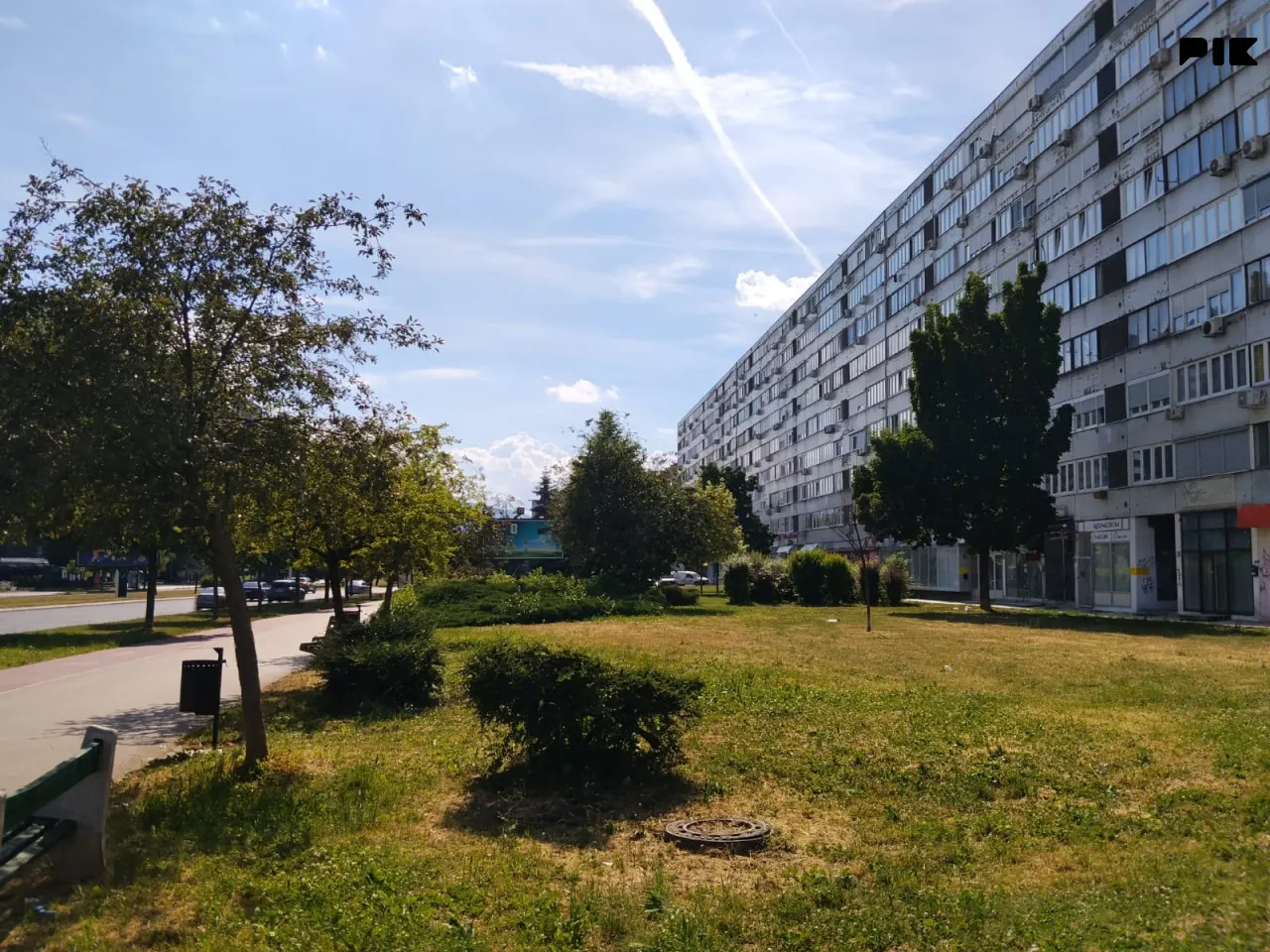
Sarajevo, Čengić Vila
Two-room flat, 54 m², 2nd floor, Čengić Vila - Stometarka
Sarajevo, Dobrinja C5, Novi Grad