Buying property in Bosnia from Austria: steps and paperwork
You can buy property in Bosnia while living in Austria. How to certify a power of attorney, pay safely and what to check in Austria afterwards.
Updated: 16 October 2026
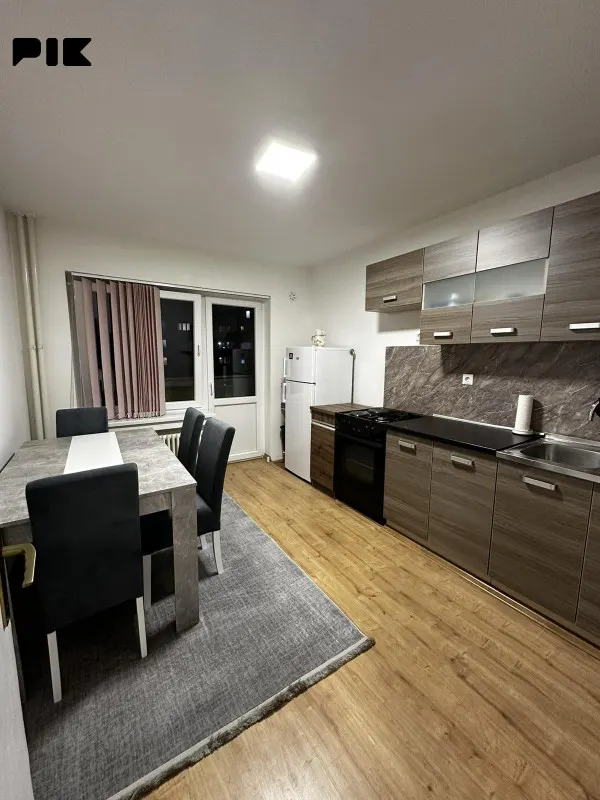
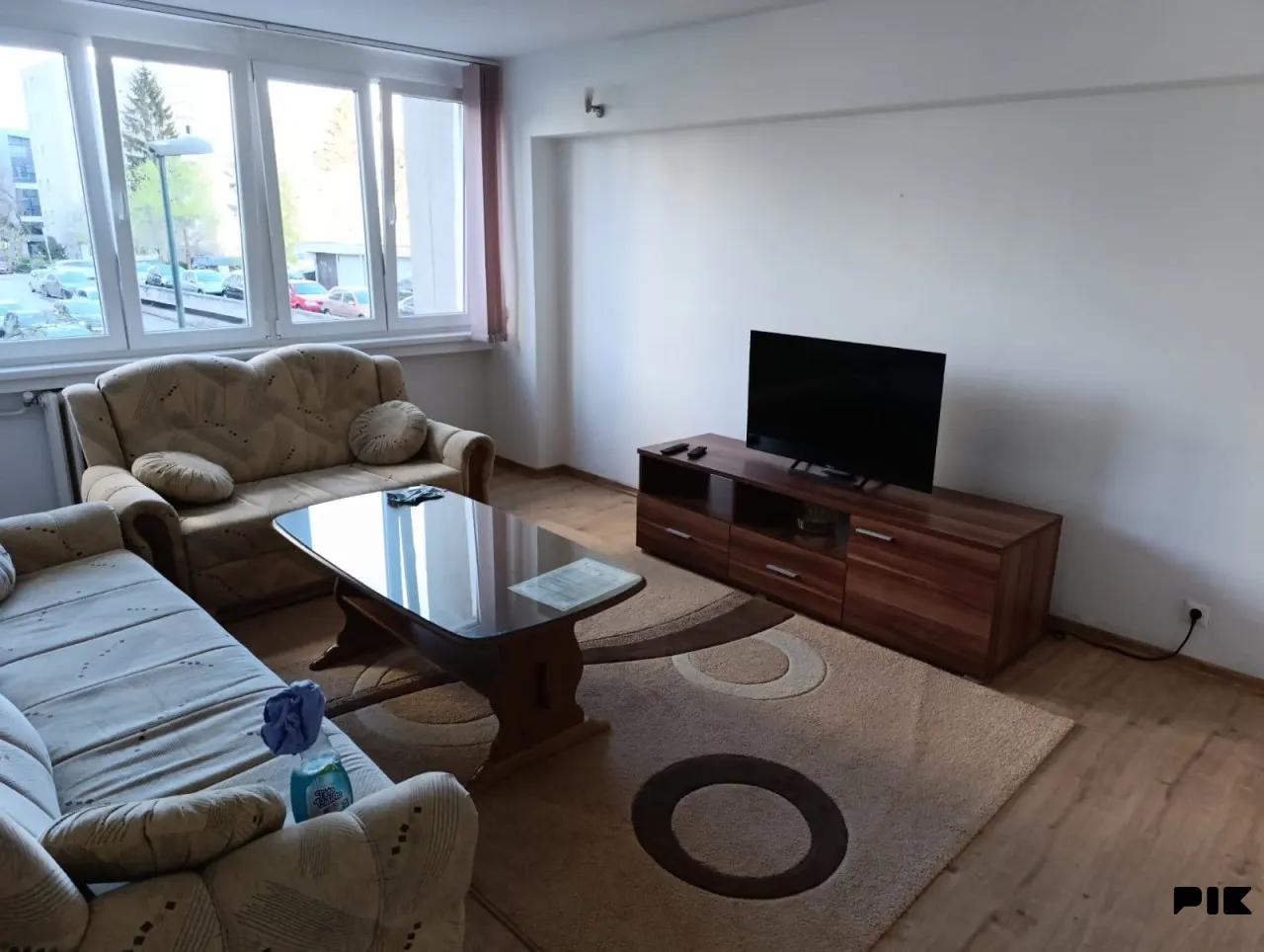
You can buy a flat or house in Bosnia and Herzegovina (BiH) while living in Austria, without travelling to sign. The usual route is to certify a punomoć (power of attorney) at the BiH Embassy in Vienna, at one of its consular days elsewhere in Austria or with an Austrian notary, and let a lawyer or trusted person in BiH sign the notarial contract and handle the land registry entry. Pay by bank transfer with a clear record of where the money came from, and afterwards check whether the purchase or any later letting has tax or statistical consequences in Austria.
This is general information, not legal advice. A notary or lawyer in BiH confirms the details for your case, and an Austrian tax adviser does the same for the Austrian side.
The process at a glance
- Check on what terms you are buying (BiH citizenship or Austrian citizenship only).
- Choose the property and check ownership and legalisation.
- Agree on a lawyer or trusted person in BiH and the wording of the power of attorney.
- Certify the power of attorney in Austria.
- Your representative signs the pre-contract and you pay the kapara (deposit) by transfer.
- Your representative signs the purchase contract before a notary and you pay the balance.
- The new ownership is entered in the land registry and the transfer tax is paid.
- In Austria, check your reporting and tax obligations.
The general process for buyers abroad is covered in Buying property in Bosnia from abroad: a step-by-step guide. This page covers what is specific to Austria.
First: on what terms are you buying
BiH has two entities, the Federation of BiH (FBiH) and Republika Srpska (RS), plus Brčko District, and property rules can differ between them. If you hold BiH citizenship, you generally buy as any local buyer would. If you hold only Austrian citizenship, separate rules apply to foreign nationals, and these may differ in FBiH, RS and Brčko District. Before you pay anything, ask a notary or lawyer in BiH to confirm whether a reciprocity condition or any approval applies to you. Background is in Can foreigners buy property in Bosnia? Reciprocity and exceptions.
Citizenship also matters for certifying the power of attorney: some BiH embassies ask for a valid BiH passport or ID card and have a separate procedure for people without one.
Certifying a power of attorney in Austria
The power of attorney is the key document. With it, your representative signs the pre-contract and the contract before the notary, applies for the land registry entry and files the tax return on your behalf. There are three usual routes.
1. The BiH Embassy in Vienna
The embassy certifies signatures on powers of attorney. Its official site is bh-botschaft.at. Before you go, confirm the exact requirements there: opening hours, the fee, which documents to bring and whether a valid BiH passport or ID card is needed.
As a reference point, the BiH Embassy in Berlin asks for the original, legibly written power of attorney, signed in person in front of an authorised official. This is common practice, so do not sign the document at home in advance, but confirm Vienna's requirements on bh-botschaft.at. Berlin also has a separate procedure for people without valid BiH documents; if you hold only Austrian citizenship, ask Vienna how they handle this.
2. Consular days outside Vienna
The embassy organises consular days (konzularni dani) in Salzburg, Klagenfurt, Innsbruck and Vorarlberg, where powers of attorney, signatures and statements can be certified without travelling to Vienna. According to the BiH Ministry of Human Rights and Refugees, no appointment is needed for a power of attorney or signature certification; passport appointments are booked only by email at konzularni.dani@bhbotschaft.at. Check this year's dates with the embassy, as consular days are not necessarily held at the same time every year.
If someone mentions permanent consulates in Linz, Graz or Salzburg, check the embassy's site before you travel.
3. An Austrian notary
An Austrian notary can also certify the power of attorney. The notary confirms only your signature, not the content, so a lawyer or notary in BiH should review the text first.
Whether such a document needs an apostille (the international certificate under the Hague Convention) is not settled. Austria and BiH have a bilateral agreement exempting documents from certification (BGBl. Nr. 224/1955), and both are also parties to the Hague Apostille Convention. Lawyers in BiH say Austrian documents usually need no apostille because of that agreement, only a translation. Still, it is not certain that every notary and land registry office in FBiH, RS and Brčko District treats them the same way. Before certifying, ask the BiH notary who will draw up the contract whether they accept an Austrian notary's certification without an apostille. If they ask for one, Austrian courts issue it, and your notary can tell you which one.
Translation
A power of attorney written in German has to be translated into one of BiH's official languages, usually by a court interpreter. Ask the BiH notary whether the translation must come from an interpreter in BiH or whether an Austrian one is enough. The simpler option is to draw up the power of attorney in Bosnian, Croatian or Serbian from the start and certify it at the embassy or a consular day.
What the power of attorney should contain
- your full name, date of birth, JMBG (the BiH personal identification number) if you have one, and your ID document number
- your representative's details
- an exact description of the property: address, floor area, land registry folio number and plot number
- the powers granted: signing the pre-contract and contract, paying or receiving money, land registry entry, tax filing, taking over the keys
- a maximum or exact price, if you want to limit your representative
The narrower the power of attorney, the safer you are. A general power "for all matters" leaves too much room for error or misuse.
Transferring money from Austria
Public information on this part is thin, so the most important thing is to ask the right questions before you pay.
What is clear
- The convertible mark (KM), BiH's currency, is pegged to the euro at 1 EUR = 1.95583 KM. Check the rate and current rules on the Central Bank of BiH site (cbbh.ba).
- Prices in BiH are usually quoted in KM, and the contract must state the amount, the currency and the account to be paid into.
- A bank transfer leaves a record you will need in both BiH and Austria: it proves you paid and where the money came from.
What to check before you pay
- With the BiH notary: whether the price can be paid in euros or only in KM, into whose account, and whether payment through a dedicated account until registration is possible. Foreign exchange is regulated separately in FBiH and RS, so the notary knows what applies where the property is.
- With your Austrian bank: how long a transfer to BiH takes, the fees and what documents they want for a large payment. Banks often ask about the source of larger sums, so have the pre-contract or contract ready, plus proof of your own funds (statements, a loan agreement, the sale contract for another property).
- With the seller: that the account is in the name of the owner registered in the land registry.
Cash
Do not carry the purchase price in cash. Rules on declaring cash above a certain amount apply when leaving the EU and entering BiH; check the exact limits with Austrian customs and the BiH Indirect Taxation Authority before you travel. Cash also makes it harder to prove you paid.
Order of payments
Pay the deposit only after you have checked the ZK izvadak (land registry extract) and signed the pre-contract. Pay the balance when the contract is signed before the notary, or as the contract specifies.
What to report in Austria
Income tax
People resident in Austria are taxed on their worldwide income. If you let the flat in BiH, that income has to be considered in Austria too, even if it is taxed in BiH.
Under most double taxation treaties, the country where the property is located has the right to tax rental income. Austria then applies one of two methods:
- exemption with progression: the foreign income is not taxed in Austria but raises the tax rate on your other income
- credit method: the income is taxed in Austria and the foreign tax paid is credited
What applies to a property in BiH depends on whether a double taxation treaty between Austria and BiH exists and which method it provides for. Check this with a tax adviser or on the Austrian Ministry of Finance site (bmf.gv.at). Ask the same question about a later sale, as Austria's taxation of gains on foreign property may differ from the BiH rules.
Owning without letting
It is not reliably established that simply buying or owning a flat you do not let creates any filing duty with the Austrian tax authorities. If you file an annual return, ask your adviser briefly.
Statistical reporting to the Austrian National Bank (OeNB)
Austrian residents who invest abroad have statistical reporting duties to the OeNB (regulation BGBl. II Nr. 573/2020, the AWBET survey). Whether this covers a private individual buying a flat in BiH, and whether there is a threshold, is not confirmed. Check the OeNB's external statistics guidelines or ask your bank or adviser.
Example
A family in Linz buys a 75 m² three-room flat in Dobrinja, Sarajevo, listed at 275,000 KM (about 140,600 EUR at the fixed rate). They watch a video tour, and a brother in Sarajevo views the flat in person. A lawyer checks the land registry extract and legalisation and sends a power of attorney in Bosnian. The father signs it at a consular day, without an appointment, and posts the original. The brother signs the pre-contract, the family transfers the deposit to the account of the registered owner, and the balance follows with the notarial contract. Once ownership is registered, they ask an Austrian tax adviser what to report if they let the flat.
Transfer tax, notary and fees depend on the location; see Costs of buying property in Bosnia.
Common mistakes
- A general power of attorney with no property description or price limit.
- Certifying with an Austrian notary without first confirming the BiH notary will accept it.
- Sending the deposit before checking the land registry, or to someone who is not the owner.
- Carrying cash across the border.
- Assuming nothing needs reporting in Austria when you let the flat.
How DMI helps
DMI currently has 8 flats listed, all in Sarajevo, with a median asking price of 5,722 KM per m² (range 3,667 to 6,574 KM). We visit every listing in person and check the land registry, legalisation and photos before publishing. For buyers in Austria we offer video tours, help arrange the notary appointment and coordinate documents with your representative or lawyer. Browse all properties or write to us with questions about a specific flat.
Current listings
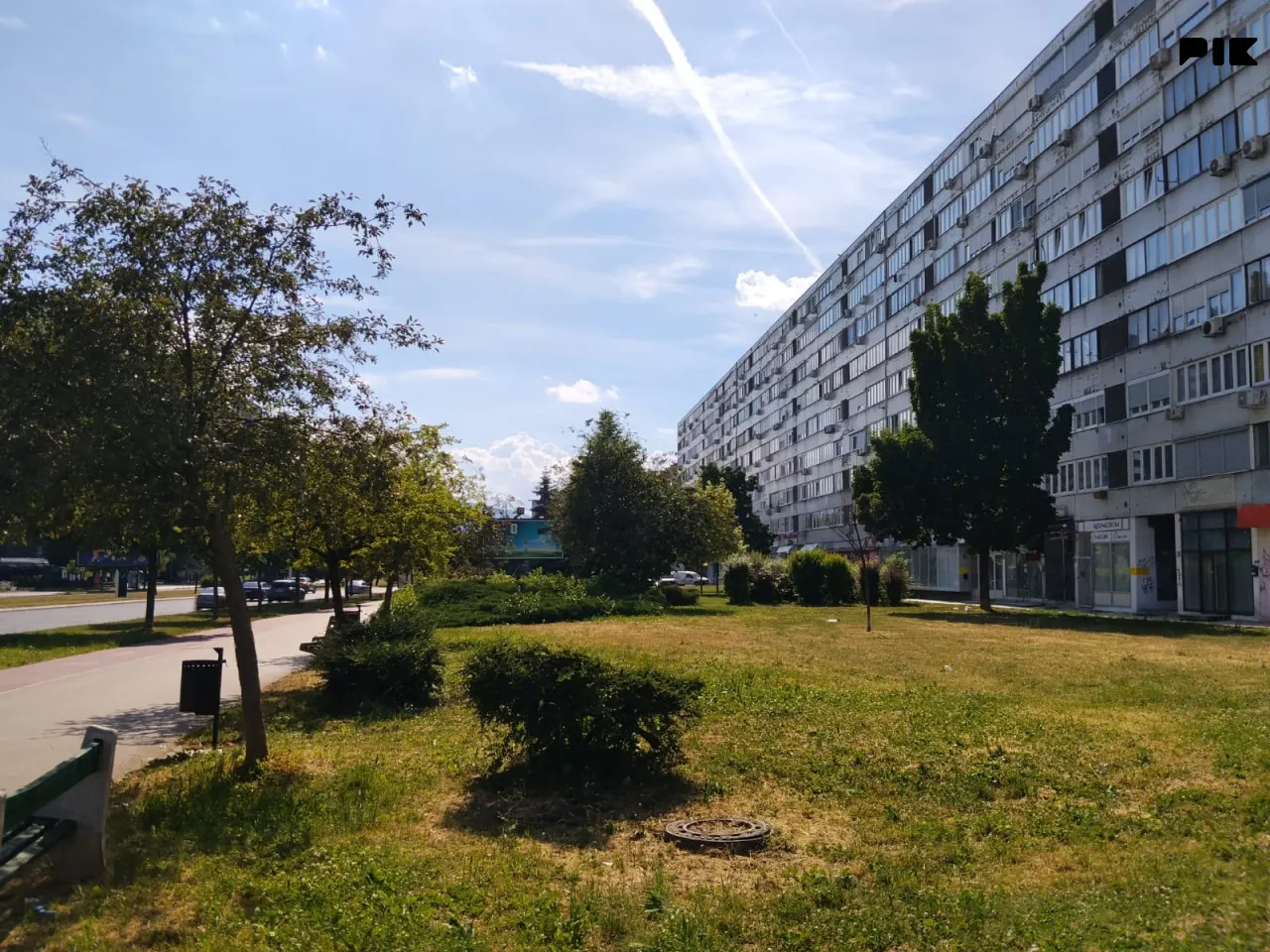
Sarajevo, Čengić Vila
Two-room flat, 54 m², 2nd floor, Čengić Vila - Stometarka
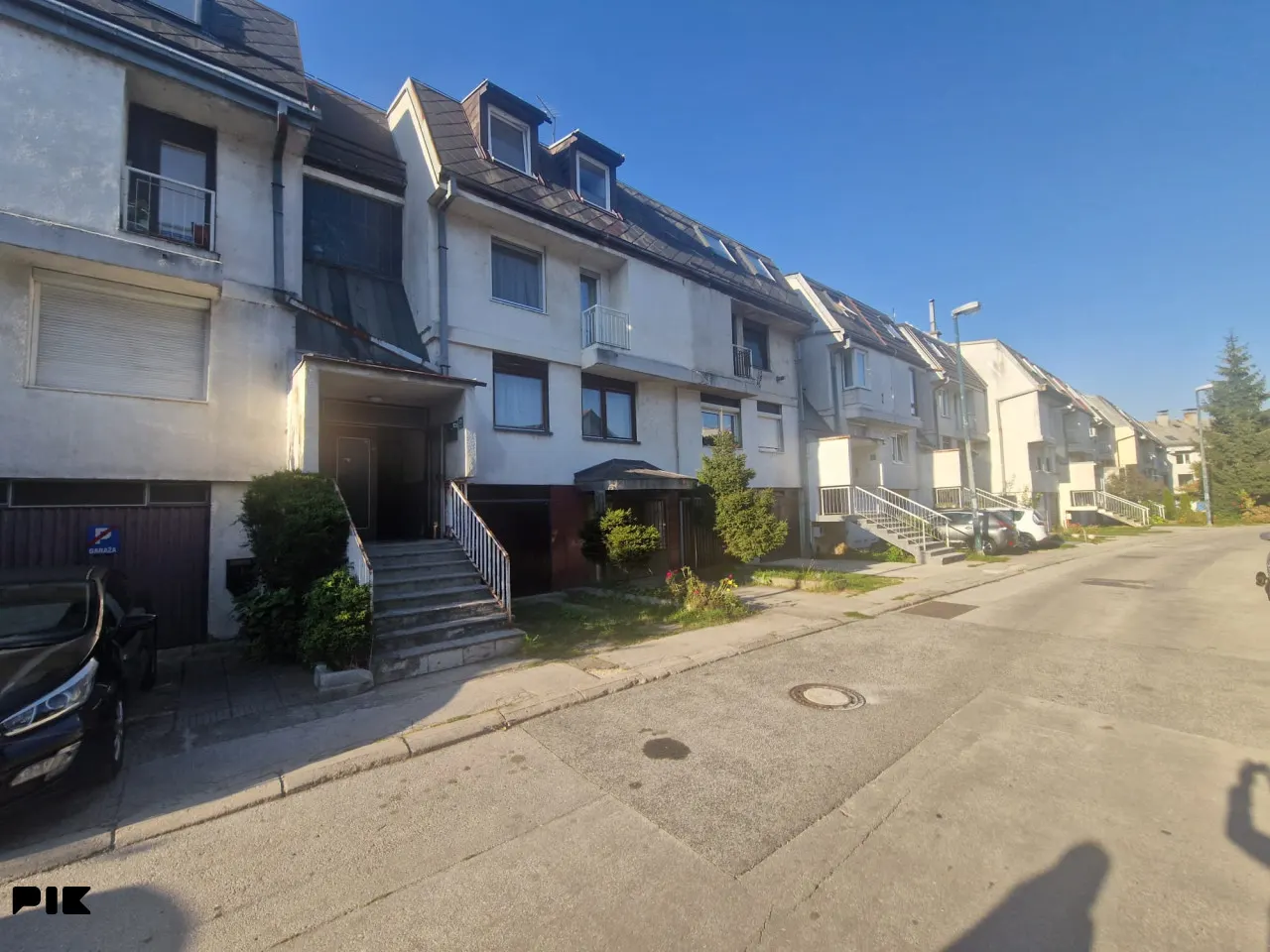
Sarajevo, Dobrinja C5, Novi Grad