Viewing a flat in Bosnia: what to check before you buy
At a flat viewing in Bosnia, check damp, wiring, windows, the shared parts of the building, fees, seller debts and the neighbourhood.
Updated: 16 October 2026
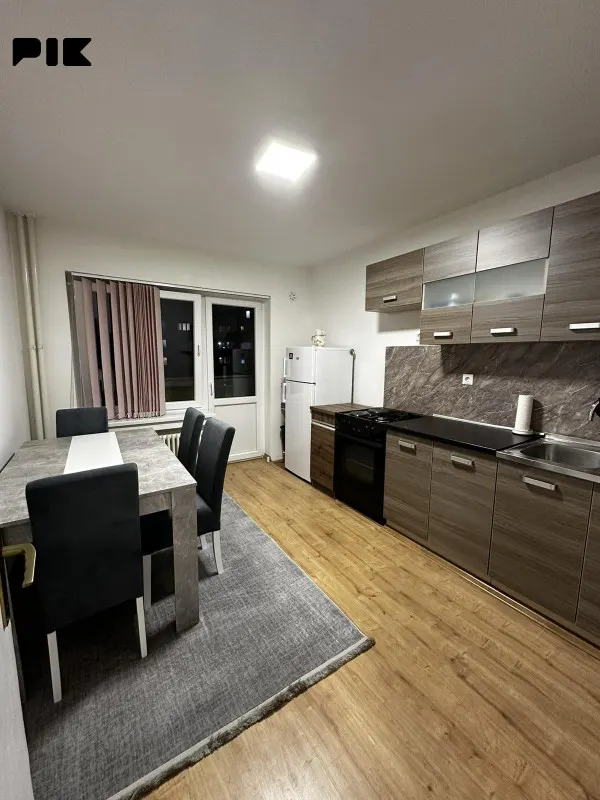
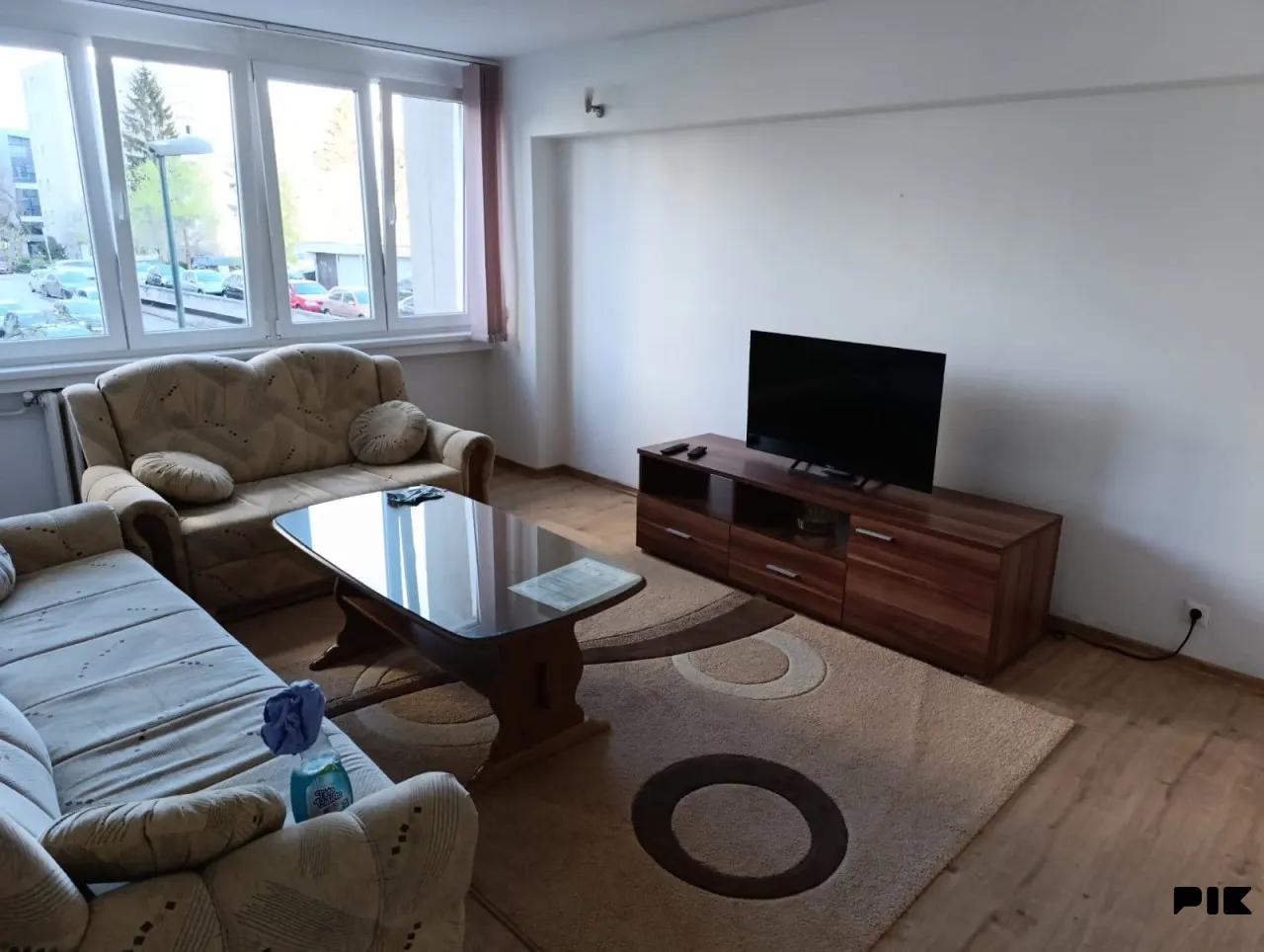
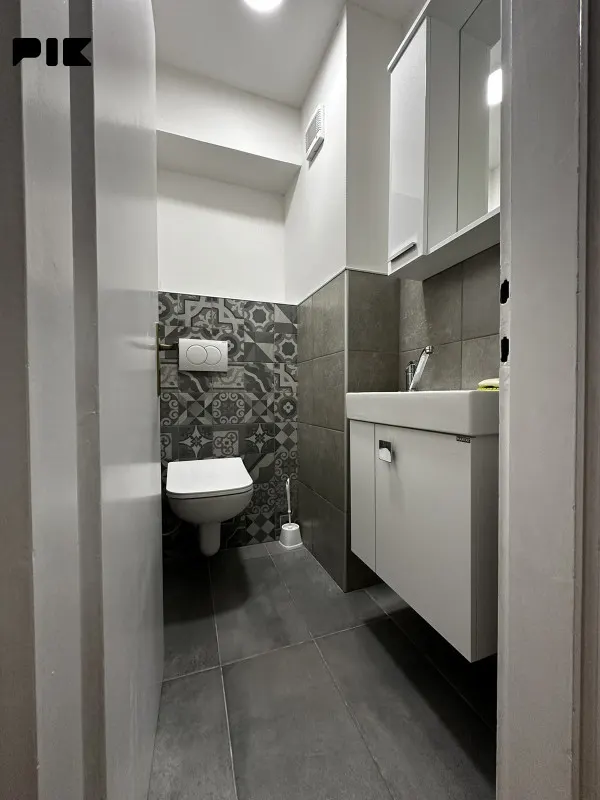
The things that cost you most after buying a flat in Bosnia rarely show in the photos: damp, old wiring and pipes, worn-out windows, a neglected building and unpaid fees owed to the building manager. Go to the viewing in daylight, with a list, and ask every seller the same questions. Below is a checklist you can take with you, plus what is known about building management and maintenance fees in the Federation of BiH (FBiH) and Republika Srpska (RS).
This is general information, not legal advice. For your specific case, a notary, a lawyer or the building manager confirms the details.
Before the viewing
- Ask the seller for the address, floor, floor area and the land registry folio number (zemljišnoknjižni uložak), then check ownership. Our guide to the land registry extract explains how.
- Ask whether anything has been altered: rooms joined, a lođa (a recessed, roofed balcony) enclosed, walls moved. If so, read what buyers need to know about legalisation.
- Book the viewing during the day. Damp, cracks and the state of the facade are much easier to see in daylight.
- If you can, go twice: once on a weekday and once in the evening or at the weekend. That shows you the neighbours, the noise and the parking.
- If you live abroad and cannot attend, send someone you trust with this list, or ask for a live video walk-through and direct the camera yourself.
1. Damp and mould
Damp is the most common hidden problem, especially in older buildings and in flats on the ground floor or the top floor.
- Look at the corners of rooms, especially on outside walls, behind wardrobes and under windows. Dark patches, flaking paint or a single freshly painted wall are reasons to ask questions.
- Use your nose. A musty smell often stays after the stains have been painted over.
- In the bathroom, check the grout, the joint between the bath or shower and the wall, and the ceiling above.
- On the top floor, ask when the roof was last repaired and whether it has ever leaked.
- On the ground floor or visoko prizemlje (raised ground floor), ask about the basement and rising damp.
- Ask the neighbours upstairs whether there have been leaks. A seller may not remember every flood from the bathroom above.
2. Wiring, plumbing, heating and gas
There is no single public standard a buyer can apply here, so the practical approach is to ask the seller and, if you have real doubts, bring a tradesperson.
- Electrics: ask when the wiring was last replaced. Look at the fuse board (modern circuit breakers or old screw-in fuses, known locally as čepovi), count the sockets in each room and check there are enough in the kitchen. Switch on the lights and a few appliances.
- Water and drains: run every tap, check the pressure and how quickly hot water arrives. Look at the pipes under the sink and for stains around the cistern.
- Heating: ask how the flat is heated (central heating, gas or electric) and what the winter bills were. Ask to see a few bills.
- Gas: if there is a gas connection or boiler, ask when it was last inspected and who services it.
Old installations are not necessarily a reason to walk away, but they should feature in your price negotiation and your renovation budget.
3. Windows and doors
Locally this is called stolarija (joinery).
- Open and close every window and balcony door. Sticking, draughts and misted glass between the panes all mean replacement costs.
- Note the material (wood, PVC, aluminium) and ask how old the windows are.
- Check the shutters or blinds and the shutter boxes, which often let in cold air.
- Front door: is it a security door, how does it lock, and how many keys are in circulation?
- If the loggia has been enclosed, ask whether this was done with approval.
4. The shared parts of the building
You are buying a share of the building, not only the flat. The roof, facade, lift, stairwell, basement and building services belong to all the owners, and so do the repair bills.
What to look at yourself
- The entrance, stairwell, letterboxes, lighting and cleanliness.
- The lift: does it work, how does it sound, is there a sign of the last inspection?
- The facade and roof, as far as you can see them from outside. Fallen render and water marks down the walls point to expensive work.
- The basement and storage rooms: damp, order, and whether the flat has its own storage.
What to ask about building management
The rules differ between the entities, and in FBiH also between cantons. Most buildings have an upravitelj (a building manager, usually a company).
- Sarajevo Canton: there are two cantonal laws on buildings: an older law on maintaining shared parts and managing the building, and a newer law on managing shared parts, published by the canton's ministry in 2022. It is not fully clear which applies to a given building and to what extent, so check with the manager. Under the 2022 law, the manager sets up a commission that writes a report on the condition of the shared parts of each building it takes over. It is worth asking the manager to show you that report, if one exists. Under the same law, owners decide on regular maintenance and on the use of the building's account and reserve fund, either at a meeting or by collecting signatures.
- Central Bosnia Canton: a law on using and maintaining the shared parts and equipment of buildings was published in 2024. Minimum fees are set by the municipalities.
- Republika Srpska: the main law is the Building Maintenance Law (Zakon o održavanju zgrada, Official Gazette of RS 101/11). Buildings are run by an owners' association (zajednica etažnih vlasnika). A 2023 audit by the RS public-sector audit office found 4,676 registered associations, a large number not registered at all, and more than half of the registered ones not working well. Ask whether the building has a registered association and whether it actually functions.
- Brčko District and other cantons: check the rules with the manager or the municipality.
Questions for the seller and the manager:
- Who is the building manager and how can you contact them?
- Does the building have a reserve fund, and how much is in it?
- Is any major work planned or already voted on (roof, facade, lift), and what will it cost each owner?
- Does the seller owe any maintenance fees?
5. Running costs and debts
The building maintenance fee is paid monthly, per square metre of the flat's usable floor area. Amounts are in KM (convertible marks, the local currency) and vary by place. The publicly available figures have not all been confirmed against the official gazettes:
- Sarajevo Canton: managers quote 0.25 KM/m² for buildings without a lift and 0.38 KM/m² with a lift, based on a cantonal government decision from 2002. These may have changed under the newer law, so ask the manager for the exact amount for the building.
- Central Bosnia Canton: the 2024 law sets at least 0.35 KM/m² for business premises and 0.15 KM/m² for garages in the building. Ask the manager or the municipality for the figure for flats.
- Republika Srpska: according to available interpretations of the law, the minimum is 0.2 KM/m², and the owners set the actual amount at the association's meeting.
The fee covers the shared parts only. Ask separately about bills for heating, electricity, water and rubbish collection, and ask to see the last few.
Seller's debts
It is not clearly established, entity by entity, whether a seller's unpaid maintenance fees or utility bills pass to the buyer. So:
- ask the seller for written confirmation from the manager that no maintenance fees are owed,
- ask for recent utility bills with proof of payment,
- have the contract state that the seller bears all debts up to handover, and check the wording with the notary.
Energy certificate
In FBiH, a 2018 government decree on energy audits and certificates also covers buildings and parts of buildings that are being sold. Ask the seller whether the flat or the building has an energy certificate. The notary will tell you whether a certificate is required in practice to certify the contract. For RS and Brčko District, check the rules with the notary.
6. The neighbourhood
- Walk to the nearest shop, school, nursery, health clinic and public transport stop.
- Check parking: are there spaces in the evening, is it a paid zone, is there a garage?
- Listen: main roads, cafés, trams, a school under the window.
- Look at what is in front of the windows. An empty plot today can be a building site tomorrow. The municipality (opština) can tell you what the plan allows on neighbouring plots.
- If you meet neighbours on the stairs, ask how the building is looked after and whether there are problems with damp, the lift or heating.
Common mistakes
- Viewing only once, or only in the evening.
- Trusting freshly painted walls without asking why they were painted.
- Ignoring the building because the flat itself is renovated.
- Paying a kapara (deposit) before ownership and debts are checked. Read our guide to the pre-contract and deposit first.
- Budgeting only for the price, not for the maintenance fee, utility bills, upcoming works and the costs of buying.
An example from Sarajevo
DMI currently has eight flats listed, all in Sarajevo. The median asking price, calculated from the seven listings with a published price, is 5,722 KM/m², in a range of 3,667 to 6,574 KM/m². For a 54 m² two-room flat that is around 309,000 KM.
Take such a flat on the 4th floor in Čengić Vila. If the building has a lift and the 0.38 KM/m² rate quoted by Sarajevo managers applies, the maintenance fee would be about 20.50 KM a month; without a lift, at 0.25 KM/m², about 13.50 KM. The manager confirms the actual amount. On the 4th floor the lift matters, so ask when it was last serviced and whether any work on it is planned, and ask the manager whether a condition report on the shared parts exists. For a raised ground floor flat, focus on damp and the basement; for an 8th floor flat, on the lift, the roof and windows exposed to the wind.
How DMI helps
Every flat in DMI's listings is visited in person before it is published, and we check its land registry entry, legalisation status and photos, so you start the viewing with papers that have already been looked at. At the viewing we can go through this list with you and put the questions about the building and running costs to the seller. For buyers abroad we offer video tours. You can browse the flats on our properties page.
Current listings
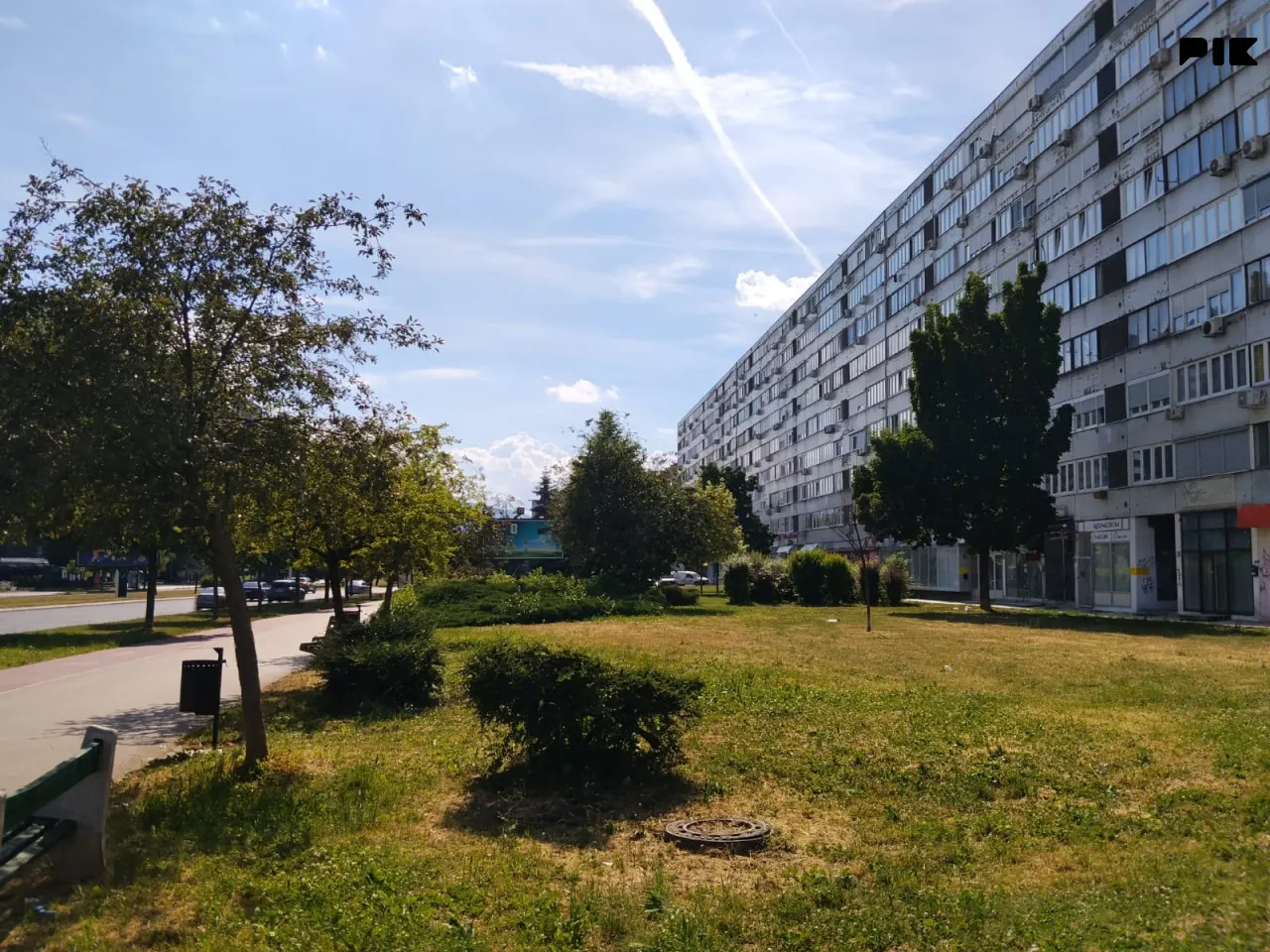
Sarajevo, Čengić Vila
Two-room flat, 54 m², 2nd floor, Čengić Vila - Stometarka
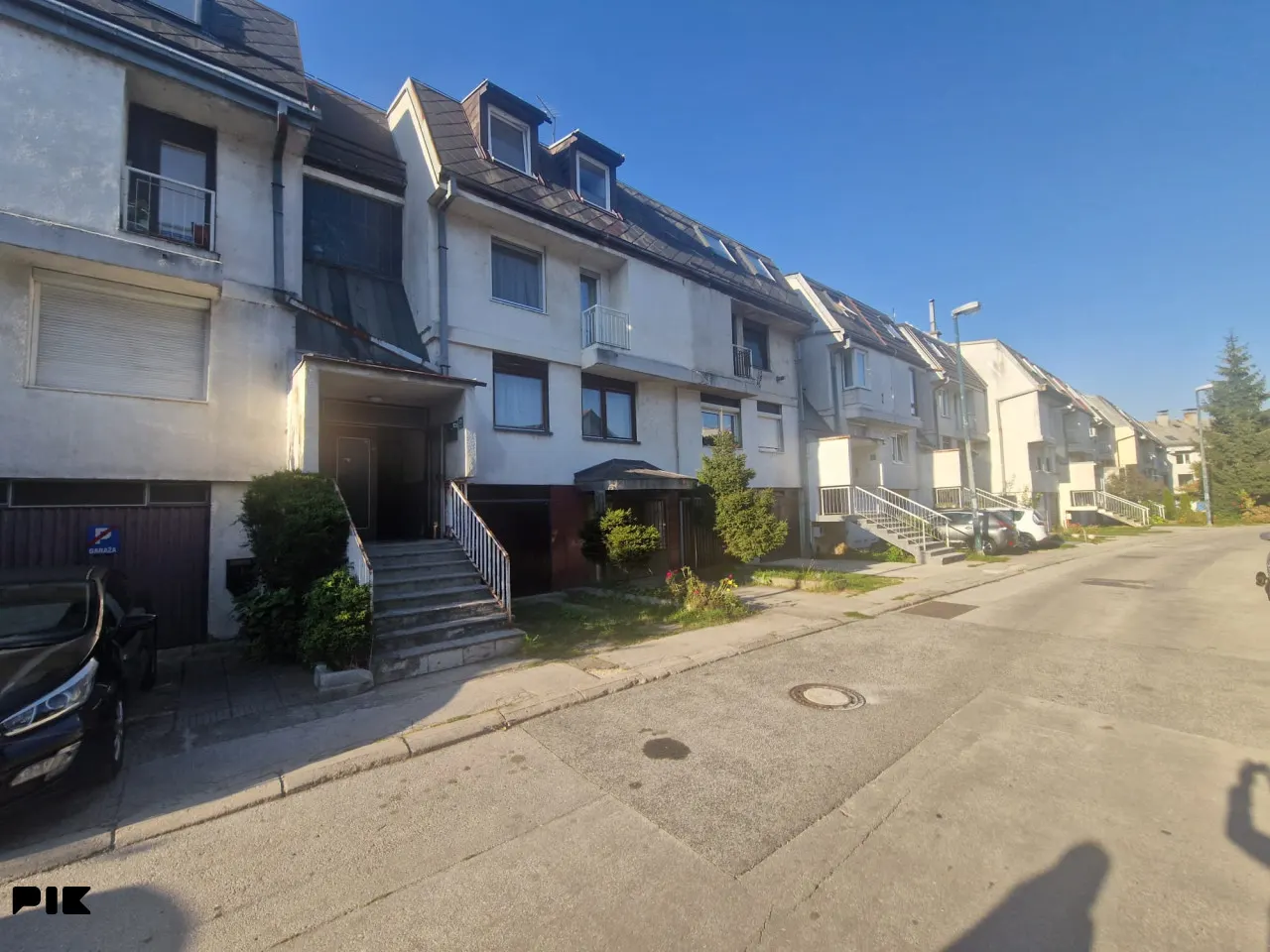
Sarajevo, Dobrinja C5, Novi Grad