Buying a new-build flat in Bosnia: checks, contract and VAT
What to check about the developer, how to tie payments to building stages, when the flat gets its own land registry entry and when VAT applies.
Updated: 16 October 2026
This guide is for buyers considering a new flat in Bosnia and Herzegovina, either finished or still under construction (off-plan, "s papira"). It covers the developer's documents, the contract and payment schedule, protecting the money you pay, registration of the flat and taxes. It is not legal advice: always have the contract reviewed by a notary or lawyer.
Finished flat or off-plan
A finished flat can be viewed, and the documents should already exist. With a flat under construction you are buying a promise: you pay in advance, but the flat does not yet exist physically or in the land registry. The price is usually lower, but the risk is higher: delays, design changes, even the developer going under. Checking the developer matters more than the price per square metre.
Developer documents to check
- Building permit (građevinska dozvola, odobrenje za građenje) for this specific building, with the number of floors and units matching what is being sold.
- Ownership of the land or a right to build. The land registry extract for the plot shows the owner and any mortgages or other charges. See Land registry extract in Bosnia.
- Company records from the court register: owners, date of incorporation, registered office. In the Federation the register is available at bizreg.pravosudje.ba, and in Brčko District at bizreg.osbd.ba.
- The developer's earlier buildings. Were they finished on time, have the flats been registered separately, do residents have a use permit?
- Plans and specification: area, layout, materials and what is included in the price (parking, storage).
Contract and payment schedule
In practice, property sale contracts in Bosnia are signed before a notary. In the Federation of BiH the legal framework is changing, so check the required form for your case with a notary or lawyer. For an off-plan flat the contract should at least include:
- an exact description of the flat (floor, number, net area, how it is measured) and what happens if the actual area differs;
- a payment schedule tied to construction stages (for example foundations, roof, finishing, use permit), not just to dates;
- a completion date, a penalty for delay and a right to terminate with a refund;
- the developer's obligation to obtain the use permit and complete the subdivision (etažiranje) within a set period;
- whether the price includes VAT.
The larger the share you pay at the end, after the use permit, the lower your risk.
Protecting the money you pay
None of the sources we checked shows that developers in Bosnia are legally required to give buyers security for their payments. Protection is therefore mostly a matter of contract:
- A bank guarantee for repayment if the developer does not finish the flat. Ask for it and confirm with the bank that it has actually been issued.
- Pre-registration (predbilježba) in the land registry. The Federation's land registry law defines it as a conditional, temporary entry of a right. Banks financing flats under construction usually require pre-registration of their lien and register the mortgage after subdivision. Ask the notary whether your own right can be pre-registered on that building.
- A notary deposit, where the money waits until conditions are met.
- Bank financing adds a further check: the bank examines the developer and the documents itself before paying out.
Use permit and subdivision (etažiranje)
When the building is finished, a commission carries out a technical inspection and the authority issues the use permit (upotrebna dozvola). Only then may the building be used. A use permit can also be issued for part of a building.
Then comes etažiranje: the building is divided into separate units and each flat gets its own land registry folio. Under the Federation's land registry law, the application includes a subdivision plan certified by the authority and a certificate that the flat is a self-contained unit. Only then are you registered as owner. Until that point you have a contract but no entry, so the contract should set a deadline for subdivision. In some places, Sarajevo for example, some flats are recorded in the book of deposited contracts (KPU) rather than the main land register.
VAT or transfer tax
- The first transfer of a newly built flat is subject to VAT (PDV) at 17%. Under the Indirect Taxation Authority's rulebook, "newly built" also covers an unfinished building at any stage and a finished building that has not been used or has been used for less than two years. VAT is usually included in the developer's price, but check the contract.
- Every later sale (resale) is exempt from VAT. Instead, property transfer tax (porez na promet nekretnina) is due under entity or cantonal rules. Details in Costs of buying property in Bosnia.
VAT refund for a first home. Since 2025 the VAT law (Article 54a) provides a refund on the purchase of a first flat, and a rulebook from June 2026 sets the conditions. In short: an adult BiH citizen with permanent residence in BiH who has not owned a flat or house in BiH in the past seven years qualifies. The refund covers 40 m², plus 15 m² per household member, up to a cap linked to the average flat price in BiH. The claim is filed by 30 June of the following year, and the flat cannot be sold for five years. Diaspora buyers without residence in BiH do not meet the condition as the rulebook is worded.
Defects and warranty
Under the Federation's Law on Obligations, the seller is liable for hidden defects that appear within six months of handover, unless the contract sets a longer period, and the buyer must report them within eight days of discovering them. For defects affecting the structural soundness of the building, the contractor is liable for ten years from handover and acceptance of the works, also towards later owners. Such a defect must be reported within six months of discovery, and the claim lapses one year after the report. Agree a longer warranty and a handover report in the contract.
Checklist before you sign
- The building permit matches the building and the flat.
- Land registry extract for the plot: the developer owns it or has a right to build, charges are known.
- The developer's company and earlier projects have been checked.
- Payments are tied to construction stages, with the larger part at the end.
- Completion date, delay penalty and termination right are in the contract.
- A bank guarantee, pre-registration or other protection for payments is agreed.
- The contract sets a deadline for the use permit and subdivision.
- It is clear whether VAT is included in the price.
- A notary or lawyer has reviewed the contract.
Common mistakes
- Paying a large share of the price up front with no security.
- Not checking who owns the land.
- Signing a contract with no completion date and no delay penalty.
- Not asking about subdivision, and then not being registered as owner for years.
- Assuming an off-plan purchase is as safe as buying a finished flat.
FAQ
When do I become the owner of a new-build flat?
Legally, when you are entered in the land registry. That is possible after the use permit and subdivision. Until then your right rests on the contract and any pre-registration.
Do I pay VAT and transfer tax?
Not both. VAT applies to the first sale of a new flat, and transfer tax to a resale.
Can I get the first-home VAT refund if I live abroad?
Under the 2026 rulebook the conditions are BiH citizenship and residence in BiH. If your permanent residence is abroad, you are probably not eligible. Check your case with the Indirect Taxation Authority (UIO). For everything else, see Buying property in Bosnia from abroad.
What if part of the building has no permit?
Then the risks described in Legalisation of property in Bosnia apply.
Before we list a property, new builds included, DMI checks the permits and the land registry, so you know in advance how far the paperwork has got.
Current listings
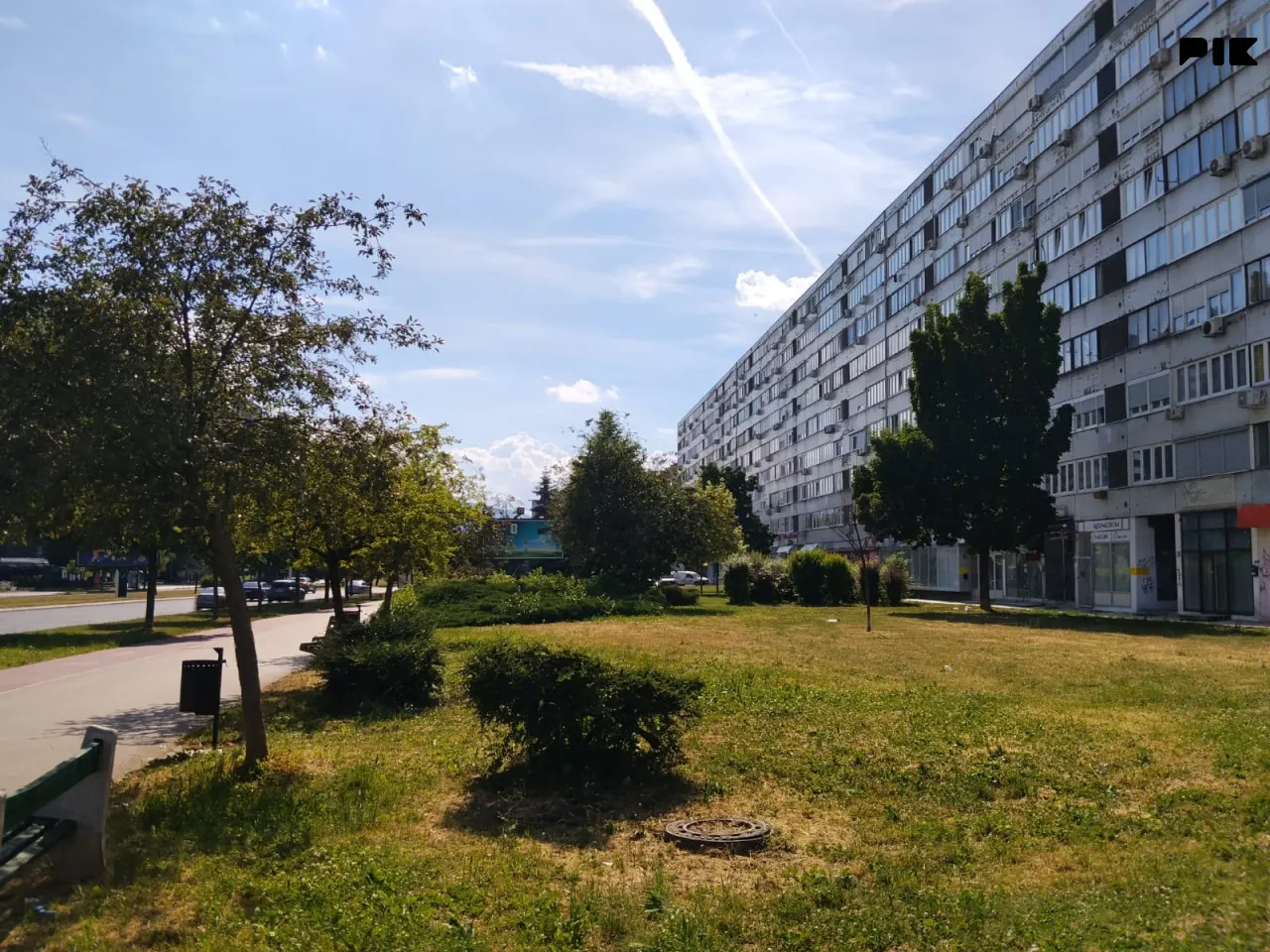
Sarajevo, Čengić Vila
Two-room flat, 54 m², 2nd floor, Čengić Vila - Stometarka
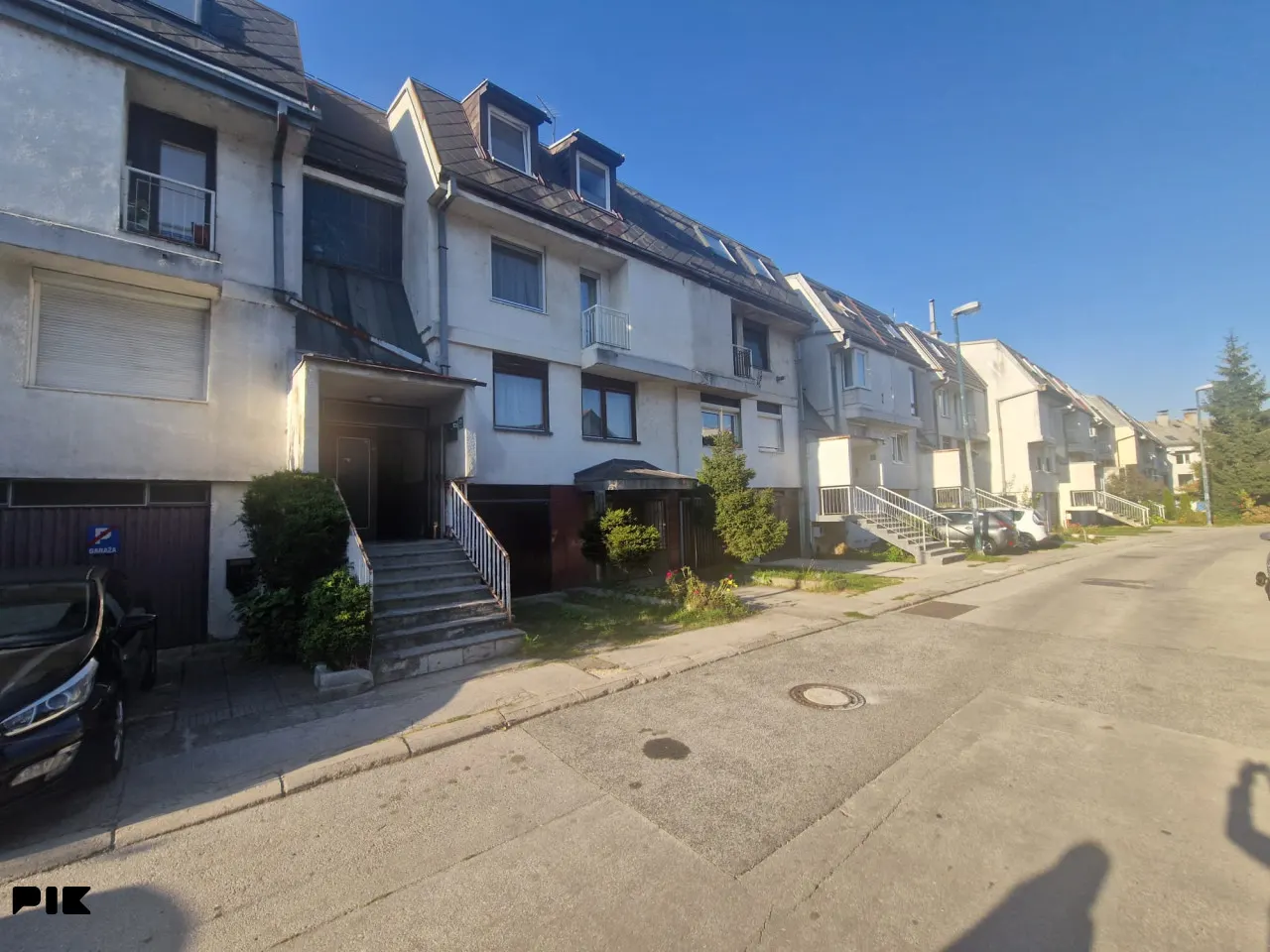
Sarajevo, Dobrinja C5, Novi Grad