Buying property in Bosnia from abroad: a step-by-step guide
How to buy a flat or house in Bosnia and Herzegovina while living abroad: ownership checks, power of attorney, notary, payment, tax and registration.
Updated: 16 October 2026
This guide is for people living in Germany, Austria, Switzerland or elsewhere who want to buy a flat, house or plot in Bosnia and Herzegovina. Buying from a distance is possible and common. What matters is knowing the order of the steps and where the usual pitfalls are.
The guide explains the process. It does not replace advice from a notary or lawyer on your specific case.
First: are you buying as a BiH citizen or as a foreigner?
If you hold BiH citizenship, including dual citizenship, you buy on the same terms as any other citizen. Living abroad does not change that.
If the buyer holds only a foreign citizenship (for example a spouse or children with only a German passport), special rules apply, above all the principle of reciprocity. We explain this in detail in Can foreigners buy property in Bosnia.
The process step by step
1. Choosing the property
Decide on location, budget and purpose: living, holidays or letting. If you cannot travel, ask for a detailed live video tour, where you can ask questions and ask to be shown what matters to you: damp, installations, surroundings, access.
Ideally someone you trust also sees the property in person before anything is signed.
2. Checking ownership
This is the most important step. Before paying anything, ask for:
- a land registry extract (ZK izvadak) or, in Republika Srpska, an extract from the real estate cadastre,
- confirmation that the seller is registered as owner and that the registered details match reality (area, building, floors),
- a check for encumbrances: mortgages, notes of pending disputes, third-party rights,
- confirmation that the building was built legally or has been legalised.
How to read a land registry extract is explained in Land registry extract in Bosnia. More on legalisation in Legalisation of property in Bosnia.
3. Preliminary contract
Once you have decided, a preliminary contract (predugovor) is often signed. It sets out the price, the deadline for the main contract, the deposit (kapara) and what happens if one side withdraws.
Do not pay a deposit on the strength of a verbal agreement. Have the preliminary contract reviewed by a notary or lawyer, and pay only into the account of the registered owner. Check with the notary whether the preliminary contract needs a particular form in the part of the country where the property is.
4. Power of attorney
If you cannot attend the notary in person, you can authorise someone you trust with a power of attorney (punomoć). It should be precise: which property (its land registry or cadastre reference), up to what price, and which acts the attorney may perform, for example signing the contract, paying, filing the tax return and applying for registration.
Where to certify it:
- At a BiH embassy or consulate. BiH diplomatic and consular missions certify signatures, with identity established from a valid BiH document. Check appointments and fees in advance with the mission responsible for where you live.
- With a notary in your country of residence, plus an apostille. Germany, Austria, Switzerland and BiH are all parties to the Hague Apostille Convention. A text in a foreign language must be translated into an official language of BiH by a court-certified interpreter.
For contracts concluded before a notary, the power of attorney sometimes has to meet a stricter form than a simple certified signature. Before certifying it, send the text to the BiH notary who will handle the contract and ask them to confirm it.
5. The contract at the notary
In practice the sale contract for a property is concluded before a notary, as a notarially executed deed (notarska obrada). The notary checks the identity of the parties and any powers of attorney, reads the contract out and explains its consequences.
In the Federation of BiH the legal framework is changing. In 2019 the FBiH Constitutional Court found parts of the rules on mandatory notarial execution incompatible with the FBiH Constitution, and in January 2026 the FBiH Government sent Parliament a proposed new law on the notarial service and amendments to the Law on Real Rights.
If you do not speak the language of the contract, tell the notary in advance. They will tell you whether an interpreter is needed.
6. Payment
- Pay by bank transfer into the account of the registered owner, and keep the receipts.
- The contract should state the exact amount, method and deadline of payment.
- Cash is risky and hard to prove. Banks and notaries have legal anti-money-laundering duties, so expect questions about the source of funds.
- Holding the money with a third party until registration (similar to escrow) is not standard. Some notaries or banks may offer safer payment arrangements.
7. Property transfer tax
After the contract is signed, a tax return for property transfer tax is filed. In the Federation of BiH this tax is set by cantonal laws, so the rate, the taxpayer and the deadlines differ from canton to canton. The return goes to the tax office in the municipality where the property is located.
All the costs of buying are set out in Costs of buying property in Bosnia.
8. Registering ownership
You become the owner when you are entered in the land registry, or in RS the real estate cadastre, not when you sign. The application goes to the competent land registry office or, in RS, the Republic Administration for Geodetic and Property Affairs. In practice the notary often does this.
Once registration is complete, ask for a fresh extract and check that you are entered with the correct details.
9. Transferring utilities
After handover, move the accounts for electricity, water, heating, waste collection and building maintenance into your name. Usually the contract and proof of ownership are required. Record the meter readings on the day of handover, signed by both sides.
Differences between FBiH, RS and Brčko District
- Register: in FBiH and Brčko District ownership is entered in the court land registry, in RS in the real estate cadastre.
- Transfer tax: differs by canton in FBiH. For RS and Brčko District, check the current rules before buying.
- Foreign citizens: each part of the country has its own rules on foreigners acquiring property. See the guide for foreigners.
Common mistakes
- Paying a deposit before the land registry extract has been checked.
- Buying from someone who is not registered as owner, through a "chain" of unregistered sale contracts.
- A power of attorney that is too general, or one the BiH notary will not accept because of its form.
- Paying in cash with no record of the payment.
- Overlooking legalisation and gaps between the actual property and the register.
- Delaying registration after signing.
Frequently asked questions
Do I have to travel to Bosnia to buy?
Not necessarily. With a valid power of attorney, someone you trust can sign the contract and handle the other steps. We still recommend that you or someone close to you sees the property in person before signing.
Can I have the power of attorney certified by a German notary?
Yes, with an apostille and a certified translation. Check with the BiH notary beforehand that the text and form suit a property purchase.
When do I become the owner?
On registration in the land registry, or in RS the real estate cadastre. Until then you have a contract, but not registered ownership.
Who pays the transfer tax?
In FBiH this depends on the canton and on what the contract says. Details are in the costs guide.
Can I buy in the name of a child who only has German citizenship?
Possibly, but then the rules for foreign citizens apply. In FBiH there is an exception for people born in BiH and their descendants. See the guide for foreigners.
How DMI helps
Before we list a property, DMI checks its ownership and paperwork. For buyers abroad, we offer live video tours. For the contract and the power of attorney, we always refer you to a notary or lawyer.
Current listings
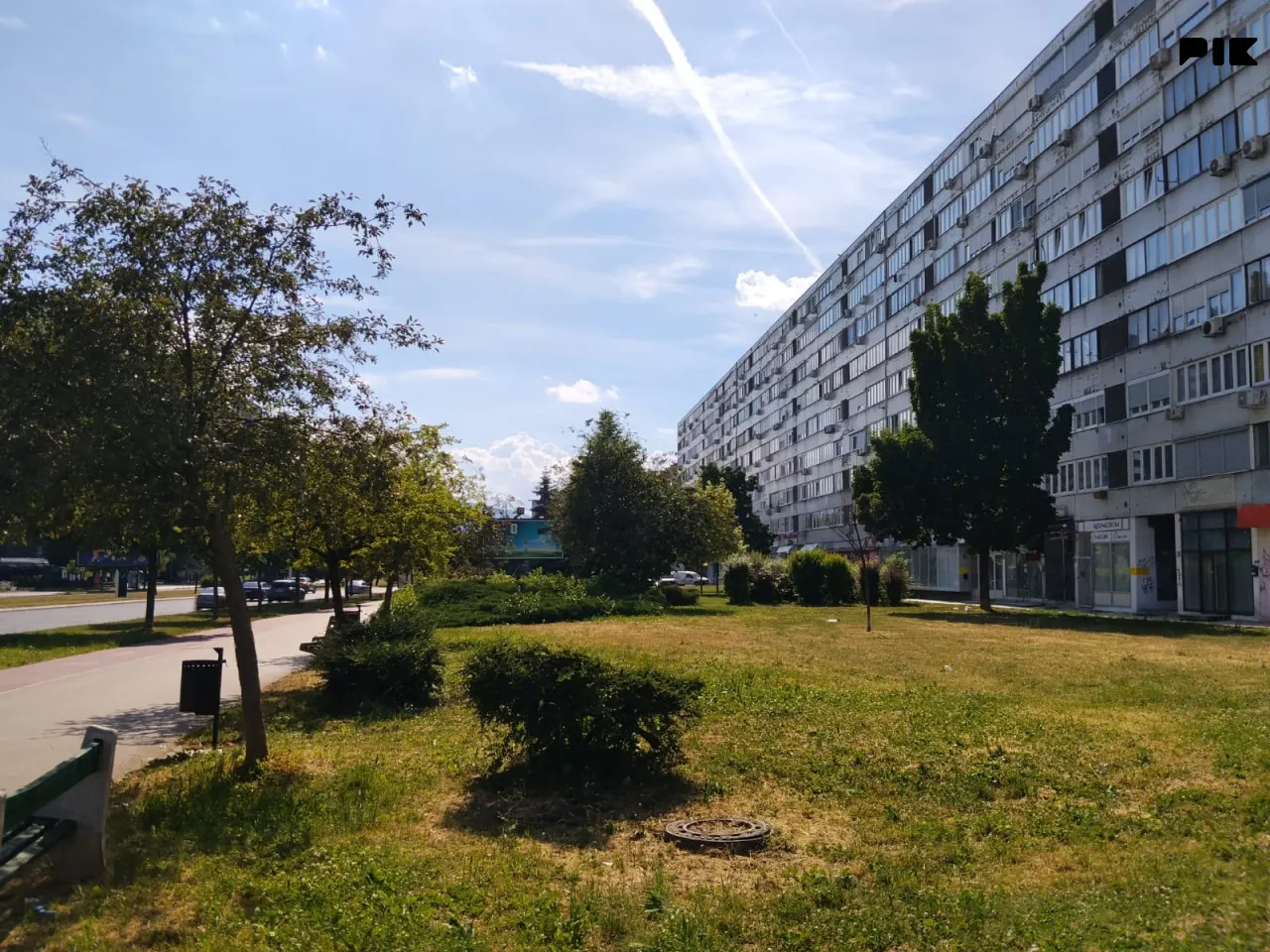
Sarajevo, Čengić Vila
Two-room flat, 54 m², 2nd floor, Čengić Vila - Stometarka
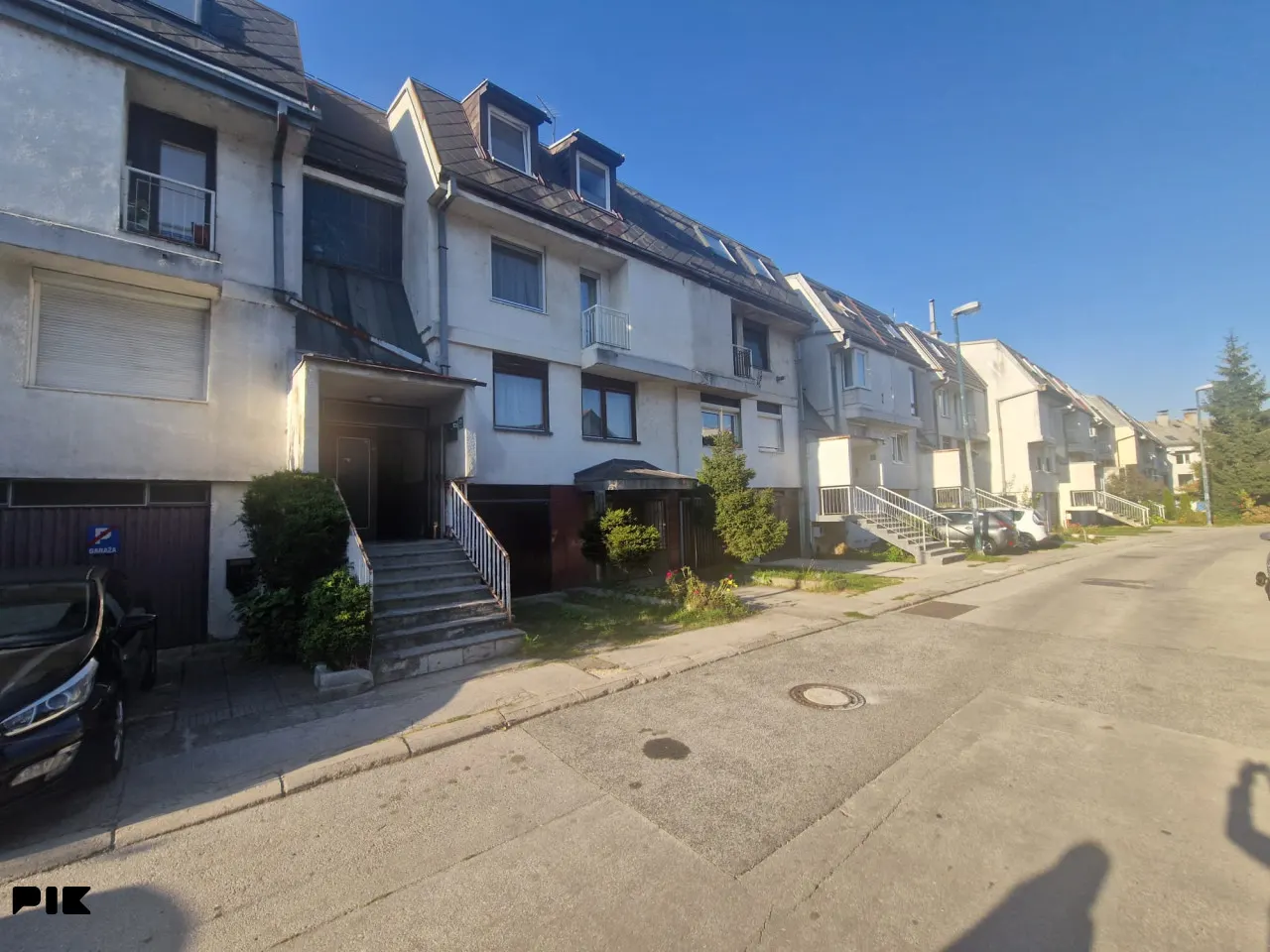
Sarajevo, Dobrinja C5, Novi Grad