Mortgages in Bosnia: who qualifies, deposit and process
Who can get a home loan in Bosnia, how much deposit banks ask, what they require from the property and appraisal, and the options for diaspora buyers.
Updated: 19 October 2026
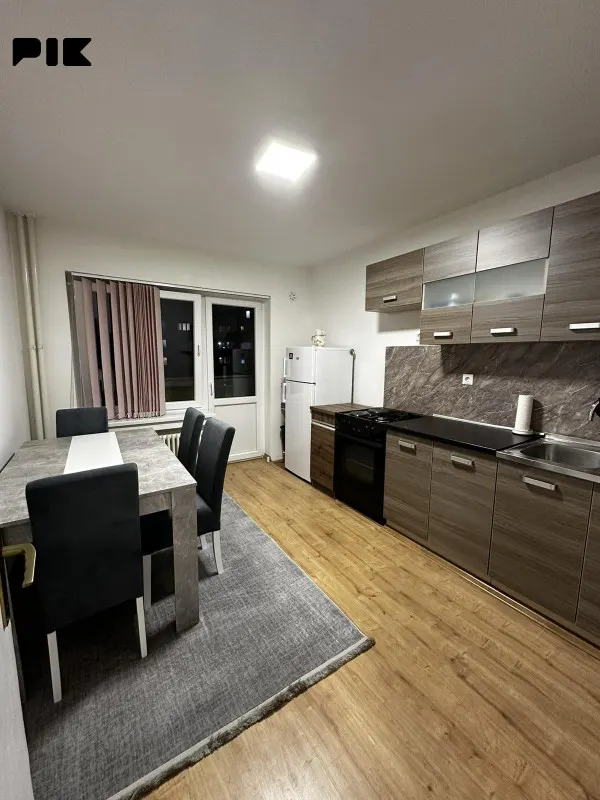
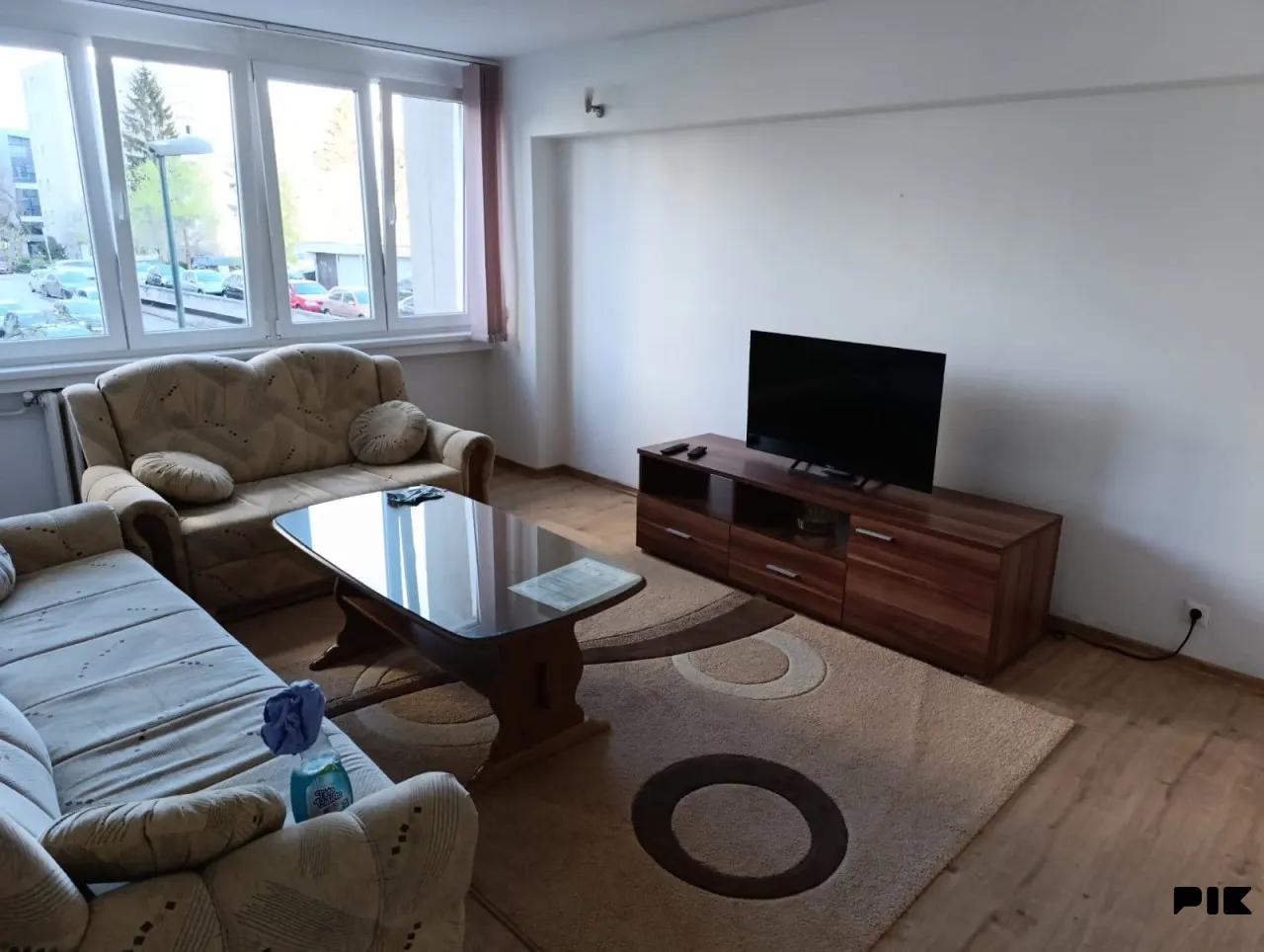
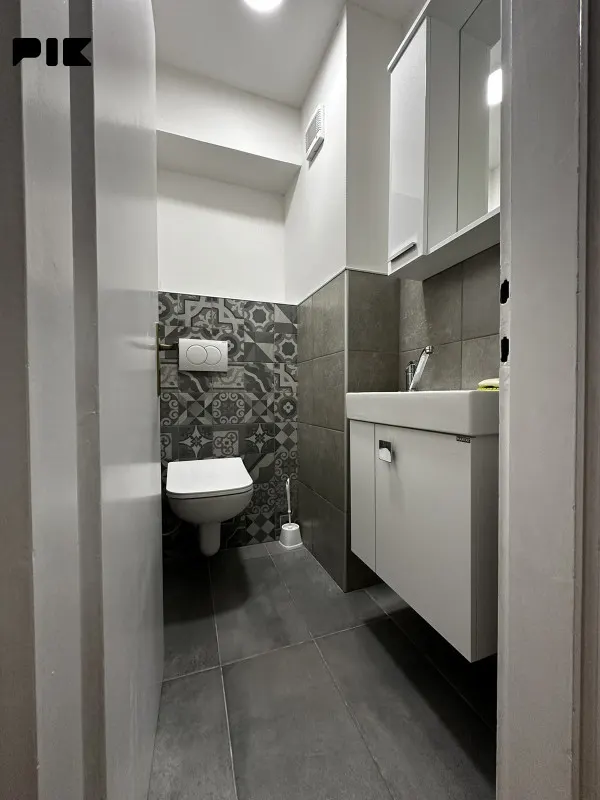
A home loan in Bosnia and Herzegovina (BiH) is available to adults with a regular monthly income whom the bank assesses as creditworthy. BiH citizens working abroad can also borrow, but usually with a larger deposit or a co-borrower in BiH. The bank will only lend against a property with clean papers and a valuation by an independent appraiser, and it calculates the loan from the lower of two figures: the purchase price or the appraised value.
This is general information, not legal advice. Your bank, a notary or a lawyer confirms the conditions for your specific case. Bank offers change often, so ask the bank for its current terms in writing before you commit.
Who can get a home loan
Banks approve loans under their own internal rules and their own assessment of your creditworthiness. In the Federation of BiH (FBiH), the banking agency FBA (Agencija za bankarstvo FBiH) also sets how the loan-to-value ratio is calculated. Whether there are binding upper limits on LTV (loan-to-value) or on the ratio of repayments to income (DSTI), check with your bank.
Examples of published conditions:
- Raiffeisen Bank BiH: natural persons who are BiH citizens, creditworthy, with a regular monthly income. Up to 600,000 KM, repayment up to 30 years, fixed rate for up to 20 years.
- ASA Banka: adult BiH citizens with a regular monthly income (self-employed craftsmen included) who will be no older than 65 when the last instalment is paid. Up to 600,000 KM, for buying, building or reconstructing a home. The same age limit applies to diaspora clients.
KM is the convertible mark, the local currency.
Foreigners living and working in BiH: according to loan brokers, banks often treat them like BiH citizens if they have a permanent employment contract in BiH and are creditworthy. We found no official confirmation of this, so check directly with the bank. Whether a foreign national can own property at all is a separate question, covered in our guide to buying from abroad linked below.
How much deposit you need
The deposit (učešće) is the part of the price you pay from your own funds. It depends on the bank, your income, and where you live and work.
- For diaspora clients, ASA Banka asks for at least 20% down with a co-borrower employed in BiH, or at least 30% without a co-borrower.
- For buyers who live and work in BiH, the deposit is agreed with the bank. Ask what maximum percentage of the property value the bank will finance.
How the property value is calculated (FBiH)
Under the FBA decision on lending conditions, for property in FBiH:
- the value used is the lower of the purchase price and the appraised market value;
- planned renovation work is not counted;
- for property still under construction, the projected value on completion is used;
- loan costs and fees are not included in the loan amount;
- the bank updates the loan-to-value ratio at every new appraisal.
In practice: if the appraiser values the flat below the agreed price, the bank works from the lower figure and you cover the gap with a larger deposit. For Republika Srpska (RS) and Brčko distrikt, ask the bank about the equivalent rules, as we cannot confirm them here.
What the bank requires from the property
The property is the security for the loan, so the bank must be sure a mortgage (hipoteka) can be registered on it. In practice this means:
- Clear ownership. The seller must be registered as owner, and any encumbrance (an existing mortgage, a note of a legal dispute) must be known and cleared before payout. Check the ZK izvadak (land registry extract) before signing a pre-contract - see our guide to the land registry extract.
- A legalised building. Unlegalised parts of a flat or house can lead the bank to reject the property or to a lower valuation.
- An independent appraisal (see below).
- Security instruments. A mortgage on the property plus mjenice (promissory notes) is the usual combination. UniCredit includes in its EKS promissory notes (10 KM), a consent to deduction from salary (administrativna zabrana, 9.36 KM) and documentation costs (85 KM).
EKS (efektivna kamatna stopa) is the effective interest rate, which includes the loan's costs, similar to the APR.
The bank usually does not hand the money to the buyer. ASA Banka, for example, pays the loan in KM to the seller's account (business or personal), or to the borrower and contractor for building work.
The property appraisal
In FBiH, an FBA instruction requires real estate used as collateral to be valued by an independent appraiser: someone not employed by the bank who works under contract for a fee. The bank may not give the appraiser an expected value or loan amount in advance, and the FBA can order a new appraisal.
Useful to know:
- Who pays depends on the bank. UniCredit pays for the appraisal on standard housing loans, but that is bank policy, not a rule. Ask before you apply.
- Re-appraisal. According to an earlier FBA interpretation, banks may track value with statistical methods between appraisals, but an authorised independent appraisal is needed every three years. Confirm with your bank whether this still applies.
- The appraisal can come in below the price. Leave room for this in the pre-contract (see mistakes below).
The process step by step
- Initial meeting with the bank. Find out the likely loan amount for your income, the deposit required and the appraisal cost. Compare at least two banks on EKS, not just the nominal rate.
- Choose the property and check the papers. Ownership, encumbrances, legalisation.
- Pre-contract. Banks usually ask for a pre-contract (predugovor) or the purchase contract. Align the deadline for the main contract and payment with the bank's timeline. See pre-contract and deposit (kapara).
- Appraisal by an independent appraiser.
- Application and loan approval.
- Purchase contract at the notary, loan agreement and mortgage. The notary and the bank confirm the exact order and the documents for the mortgage.
- Payout to the seller's account and registration of your ownership in the land registry.
On top of the loan, budget for the costs of the purchase itself (tax, notary, fees), explained in costs of buying property in Bosnia.
How long it takes
We found no reliable figures for approval, appraisal or mortgage registration times; they depend on the bank, the appraiser and the municipal or land registry office. So:
- ask the bank for an estimate for your case before signing a pre-contract;
- do not agree a payment deadline in the pre-contract that is too short;
- get your loan documents ready before you find the flat.
Loans for diaspora buyers
BiH citizens employed abroad can get a home loan from several banks. Terms differ by bank and by entity.
UniCredit Bank d.d. (Mostar) lends to non-residents who are BiH citizens employed abroad, in euros, for property in BiH only, with no processing fee:
| Term | Fixed rate | EKS in FBiH and Brčko | EKS in RS |
|---|---|---|---|
| 10 years | 3.99% | 4.33% | 4.29% |
| 15 years | 4.49% | 4.80% | 4.77% |
In the bank's example, 100,000 EUR over 15 years costs the client 38,905.62 EUR in total in FBiH and Brčko, and 38,630.44 EUR in RS. The residence and employment conditions are not described the same way on all of the bank's pages (at least 12 months of employment is mentioned, or one year with the same employer), so confirm them at a branch.
Other banks:
- ASA Banka: 20% down with a co-borrower employed in BiH, or 30% without; age limit of 65 at the end of repayment.
- Union Banka: loans for BiH citizens employed abroad and for foreigners with permanent residence in FBiH, for buying in FBiH only.
- UniCredit Bank Banja Luka: had a diaspora offer with a fixed rate up to 20 years and no processing fee, but it ended on 15.01.2026. Ask the bank for current terms.
Documents diaspora buyers usually prepare
- passport or BiH identity card;
- proof of permanent employment abroad (employment contract, payslips);
- pre-contract or purchase contract;
- translation and certification of foreign-language documents, as the bank requires.
The bank gives you the exact list. If you are not in BiH for the whole process, including how a power of attorney works, see buying property in Bosnia from abroad.
Mistakes to avoid
- Paying a deposit before the loan is secured. If you pay a kapara (a binding deposit) and the bank refuses the loan or approves less, you can lose it. Put in the pre-contract what happens if the loan is not approved.
- Counting on the full price. The bank works from the lower of price and appraisal. Keep a reserve for a larger deposit.
- Comparing only the nominal rate. Compare the EKS and the total cost of the loan. At UniCredit the EKS also differs by entity.
- A property with messy papers. An unregistered owner or an unlegalised part can stop the loan.
- Promotional offers. They have deadlines and conditions. Raiffeisen, for example, offers a fixed 3.49% (EKS 3.92%) for up to 20 years only to clients whose salary is paid into that bank, valid until 31.08.2026.
Example: a two-room flat in Sarajevo
Across DMI's Sarajevo listings, the median asking price is 5,722 KM per m², and two-room flats of 54 to 59 m² range from 275,000 to 359,000 KM.
Take a 54 m² flat in Čengić Vila at 309,000 KM and a diaspora buyer at ASA Banka:
- with a co-borrower in BiH and 20% down: deposit 61,800 KM, loan 247,200 KM;
- without a co-borrower and 30% down: deposit 92,700 KM, loan 216,300 KM.
If the appraiser valued the flat at 290,000 KM, the bank in FBiH would work from that figure. With 20% down, the loan would be at most 232,000 KM, so the buyer would need 77,000 KM of their own money, plus purchase costs. These figures are illustrations; the actual amount depends on the bank's decision.
How DMI helps
We visit every property we list in person and check the land registry, legalisation and photos before publishing - the same things a bank looks at first. Buyers abroad can get a video tour. We help you set pre-contract deadlines that fit the appraisal and loan approval, and make sure the seller and the bank receive the papers they need on time.
Current listings
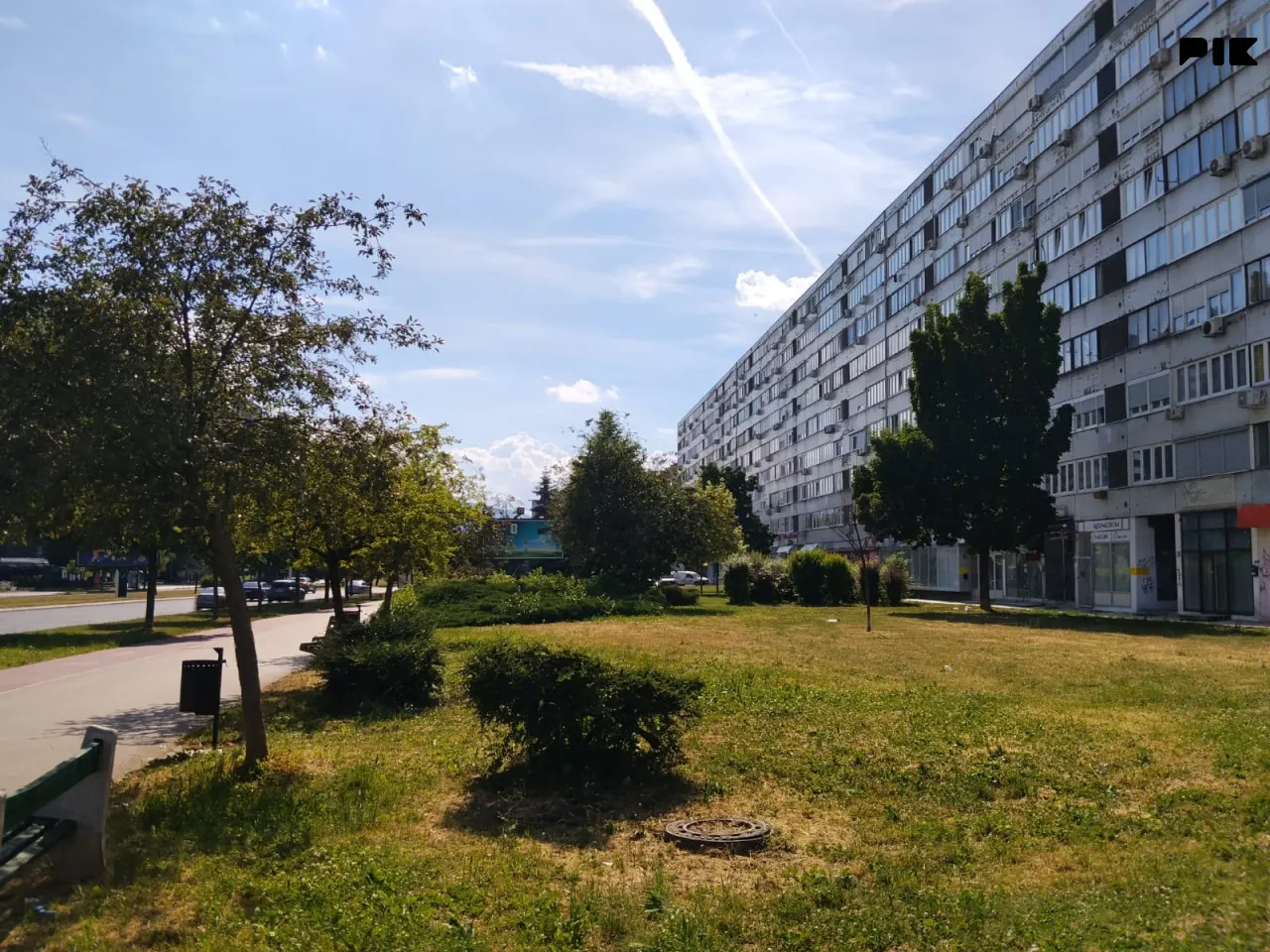
Sarajevo, Čengić Vila
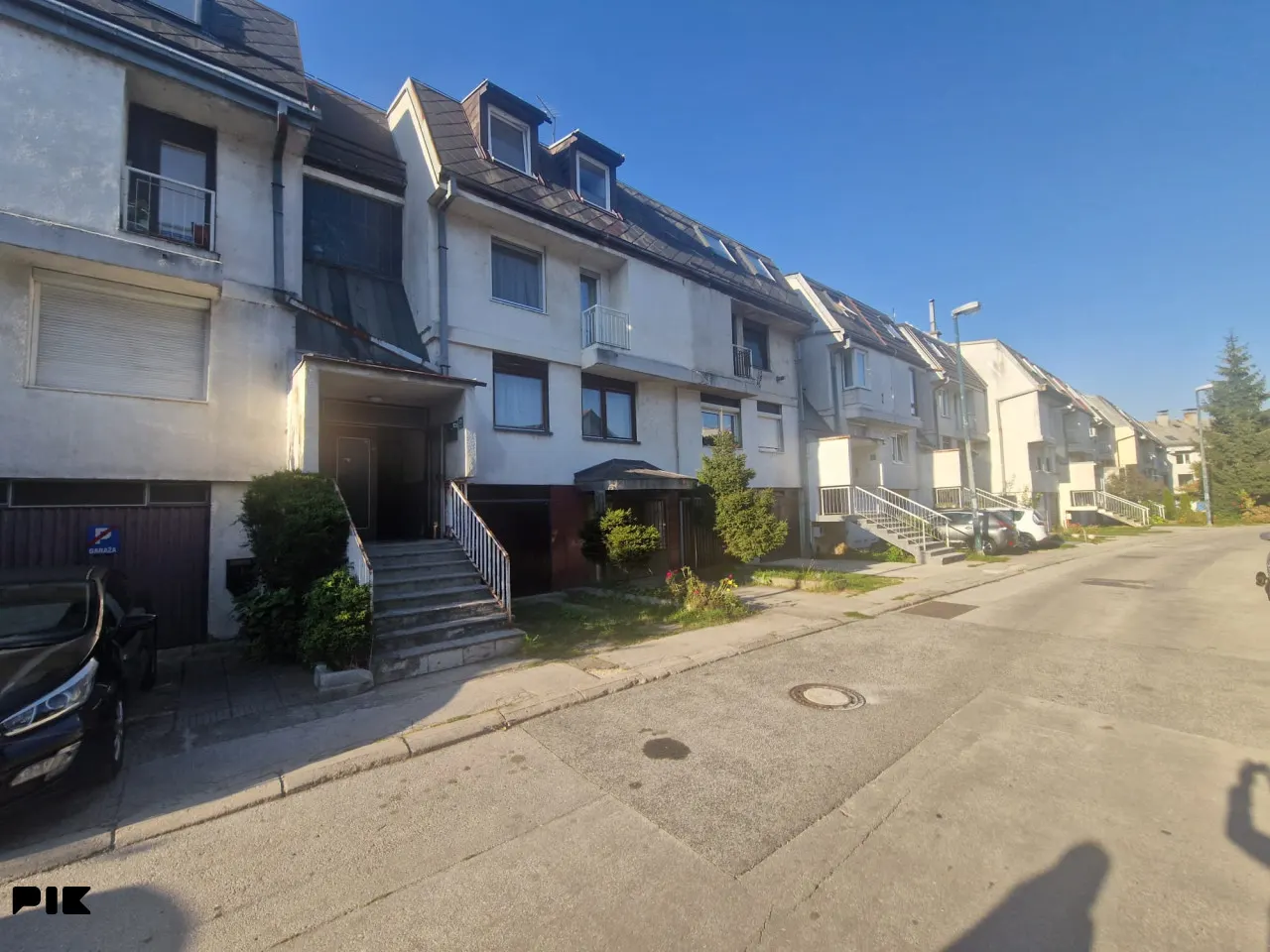
Two-room flat, 54 m², 2nd floor, Čengić Vila - Stometarka
Sarajevo, Dobrinja C5, Novi Grad