Net, gross and usable floor area of a flat in Bosnia
Net area is floor space between finished walls, gross includes walls, usable applies coefficients to balconies. How to check which figure the ad and papers use.
Updated: 19 October 2026
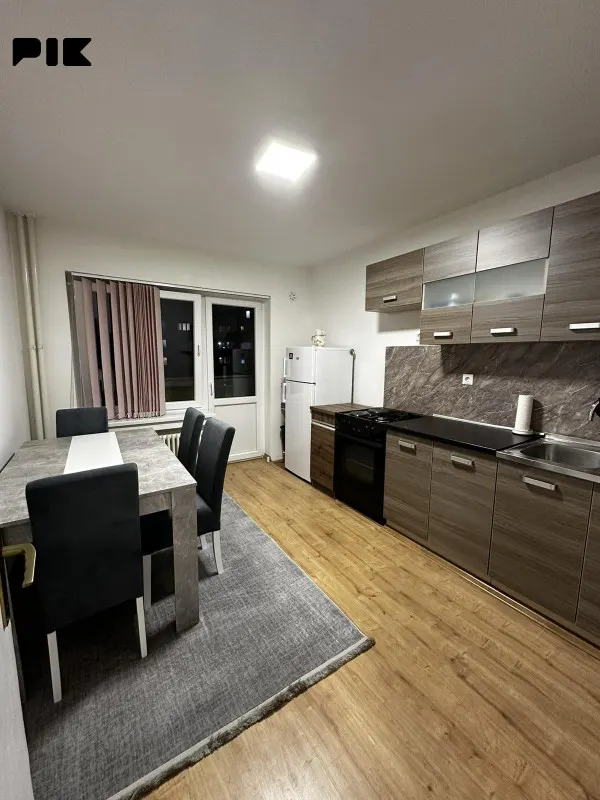
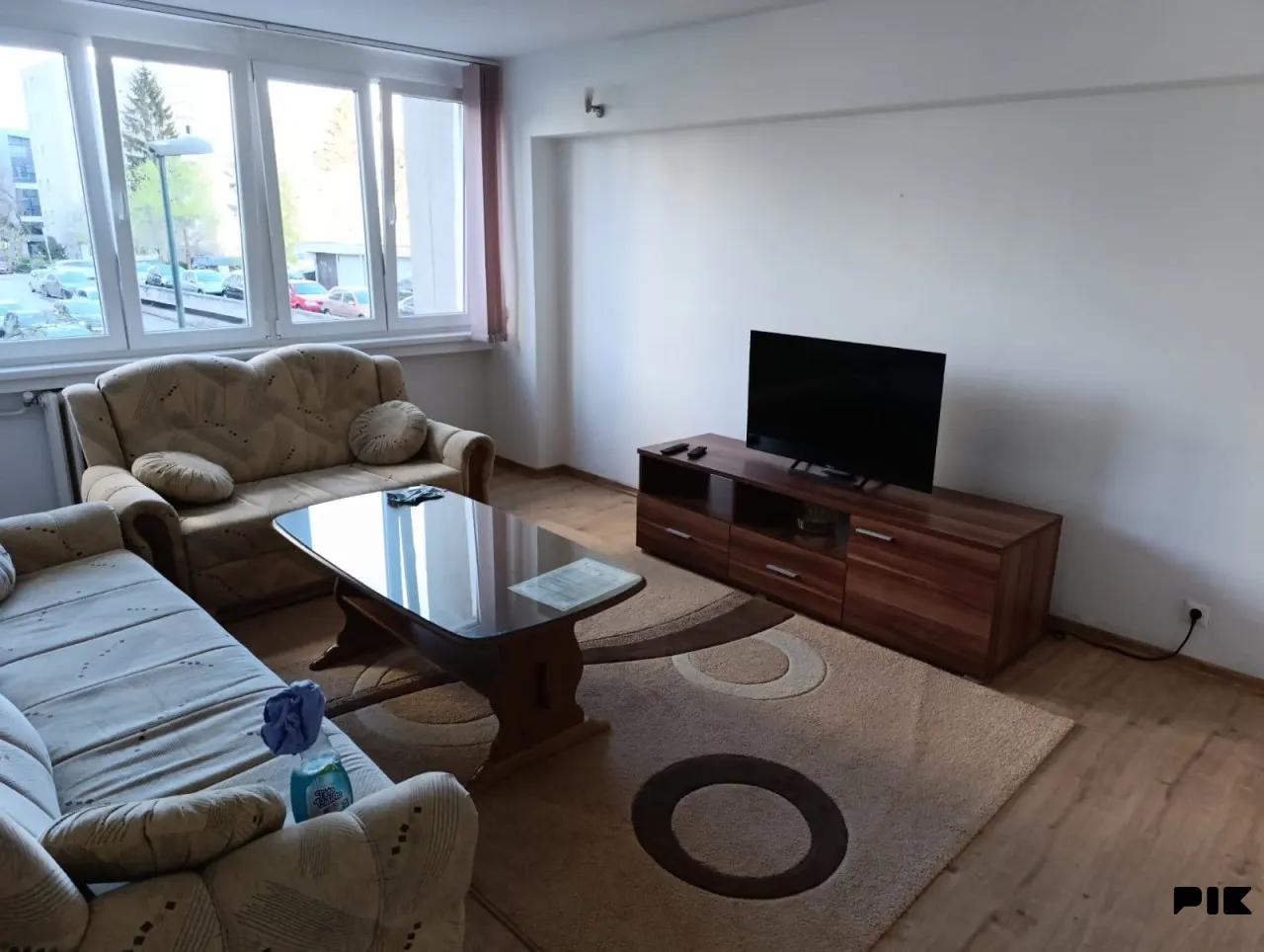
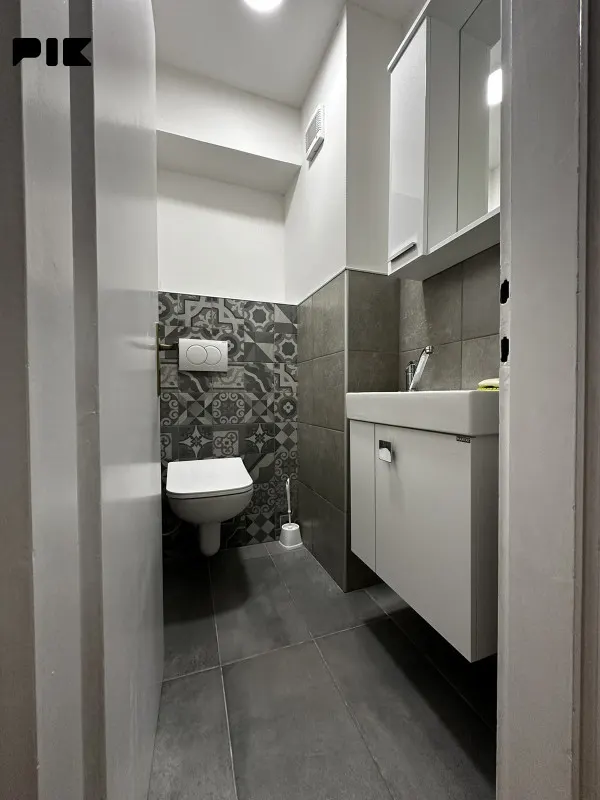
Net area (neto površina) is the floor space of the rooms measured between finished walls. Gross area (bruto površina) also includes the walls, so it is always larger. Usable area (korisna površina) adds up the rooms but usually counts a balcony, loggia or terrace at a reduced rate through a coefficient. Before you buy, find out which of these three figures is in the advert and which is in the documents, because they can differ by several square metres.
The three terms in brief
Net area
This is the floor you actually walk on: bedrooms, kitchen, bathroom and hallway, measured wall to wall after plastering and finishing. For a buyer comparing flats, it is the fairest figure.
Gross area
Gross area includes the walls, meaning the part of the structure that belongs to the flat. It is used mainly in design and in calculating some fees, not to describe living space. Examples from neighbouring countries show that the gap between gross and net can reach around 20%, so a flat advertised by its gross figure looks bigger than it is.
Usable area
Usable area is the sum of the rooms that make up the flat, with each type of space multiplied by its own coefficient. Enclosed rooms count in full, while open parts such as a balcony, loggia (a recessed balcony, enclosed on three sides) or terrace usually count at a lower rate. In Republika Srpska (RS) the relevant regulation calls this figure for a flat the korisna površina posebnog dijela objekta, the usable area of a separate part of a building.
Balconies, loggias and terraces
A balcony or loggia is real space, but it is not the same as a room. That is why it is usually not counted in full in usable area. The coefficient depends on the regulation and method applied, and even across the region these coefficients are not uniform. There is no single figure you can treat as the rule for every case in Bosnia and Herzegovina.
What this means for you:
- Ask whether the balcony or loggia is included in the quoted area, and at what coefficient.
- The clearest listings state the areas separately, for example "flat 59 m² and loggia 4.5 m²". One of the flats in DMI's portfolio, in Grbavica, Sarajevo, is listed exactly this way.
- With a large terrace the difference matters most. If the terrace is counted at full size, the price per square metre looks lower than it really is.
Basement, storage room and attic
This is where most misunderstandings arise. A basement (podrum) or storage room (ostava) can have different legal positions: it can be a separate part registered with the flat, it can belong to the flat as an integral part of it, or it can be a common area of the building used by all residents. Many buildings in Bosnia have never gone through etažiranje (the formal division of a building into separately registered units), and the land register and cadastre do not always match.
If the basement is not registered with the flat, you have no proof that you are buying it as your own part. Ask for its status to be clarified and written into the contract, and have the legal position checked by a notary or lawyer. For more on what is yours and what is shared, see who owns what in a Bosnian apartment building.
The same applies to attics and loft flats: low areas under a sloping roof are generally not counted as full living space. Ask how that area was calculated.
Which rules apply
Republika Srpska
The RS Law on Spatial Planning and Construction (Zakon o uređenju prostora i građenju, Article 98) provides that the minister adopts a regulation (pravilnik) on how the areas and volumes of buildings are calculated. That regulation also applies when buildings are entered in public registers, which means the area recorded there is meant to be calculated by that method. RS has adopted a Regulation on Calculating the Areas and Volumes of Buildings (Pravilnik za izračunavanje površina i zapremina objekata); check which version is currently in force.
The law also has a transitional provision under which, until the new regulations were adopted, earlier rules and standards from the Yugoslav (SFRJ) era applied. Today this matters mainly for older buildings, whose area may have been calculated under those earlier rules. The law has been amended several times, so check the current text in an official source or with a notary.
Federation of BiH and Brčko District
In the Federation of BiH (FBiH) and Brčko District, area calculation is governed by their own construction laws and implementing acts, and in FBiH some matters sit at cantonal level. For a specific flat, the most reliable answer comes from the design documentation, the etažni elaborat (the condominium plan that defines each unit) and the licensed surveyor or designer who did the measurement.
Older buildings
In buildings put up several decades ago, the area may have been calculated under different rules from today's. A new measurement can therefore produce a different figure from the old papers without anyone having made a deliberate mistake.
What the documents show
The flat's area can appear in several documents, and it is not unusual for the figures to disagree:
- ZK extract (ZK izvadak, the land register extract showing ownership and burdens) - the flat's area may be stated here, but that depends on whether the flat has been divided and registered as a separate unit. Check what your extract actually says.
- Cadastre extract (in RS the list nepokretnosti, the real estate cadastre sheet) - the area may also appear here, again depending on registration. The posjedovni list (possession sheet) in practice relates mostly to land plots, not flats.
- Etažni elaborat - where it exists, it usually contains the areas of individual flats and their associated rooms.
- Design and occupancy permit (upotrebna dozvola) - especially important for new builds.
- Sale contract - here the area should be clearly described, together with what it refers to.
Differences between these documents can come from different calculation methods, old surveys, or a mismatch between land register and cadastre. The guide on ZK extract, posjedovni list and cadastre explains how these records relate.
Steps before you buy
- Ask which area the advert shows. Net, gross or usable, and whether it includes a balcony, loggia or basement.
- Compare it with the papers. Ask for the ZK extract, cadastre extract and etažni elaborat if there is one. Write down each figure and where it comes from.
- Get differences explained. A small difference can come from how the space was measured, but even one or two square metres are worth several thousand KM, so ask for every difference to be explained and, where needed, dealt with in the contract.
- Measure yourself or hire a surveyor. A laser measure and a floor plan are enough for a rough check. For larger discrepancies, a licensed surveyor (geodet) provides an authoritative measurement.
- Clarify the basement and storage room. Who uses them, where they are registered and whether they are part of the sale.
- Describe everything in the contract. The flat's area, the balcony or loggia separately, the basement or storage room, and which document you rely on.
With new builds it is especially important that the contract says how the area is calculated and what happens if the measurement after completion shows fewer square metres. More in buying a new-build flat in Bosnia.
Example: what a square metre is worth
The median asking price across DMI's listings in Sarajevo is 5,722 KM per m² (range 3,667 to 6,574 KM). At that price, a difference of 3 m² is worth about 17,166 KM.
Take our Grbavica flat: 59 m² plus a 4.5 m² loggia, priced at 359,000 KM. That is about 6,085 KM per m² of flat. Now imagine another flat at the same price advertised as "59 m²", but with the loggia counted at full size inside that figure, so the actual net floor area of the rooms is about 56 m². You would then pay about 6,411 KM per square metre of real living space, not 6,085 KM. On paper the two flats are the same; in reality they are not.
Common mistakes
- Comparing flats by the advertised figure without checking what it includes.
- Assuming the basement is yours just because the seller uses it.
- Accepting a round number in the contract ("about 60 square metres") instead of a precise description.
- Not checking old surveys in buildings from earlier decades.
- Relying on a single document when the land register, cadastre and elaborat disagree.
If you are selling
State the net area of the flat and list the balcony, loggia and basement separately. Have the ZK extract and the etažni elaborat (if there is one) ready. Buyers who measure the flat themselves and find less than advertised often lose trust in the rest of the offer, and that costs you in negotiation.
This page is general information, not legal advice. A notary or lawyer confirms the details for your specific case.
How DMI helps
We visit every flat in our portfolio in person and check the land register, legalisation and photos before it is published. We list balconies and loggias separately where the papers allow, and if the area in the documents differs from reality, we tell you before the viewing. For buyers abroad we offer video tours, during which we can also show the rooms being measured. See all our properties.
Current listings
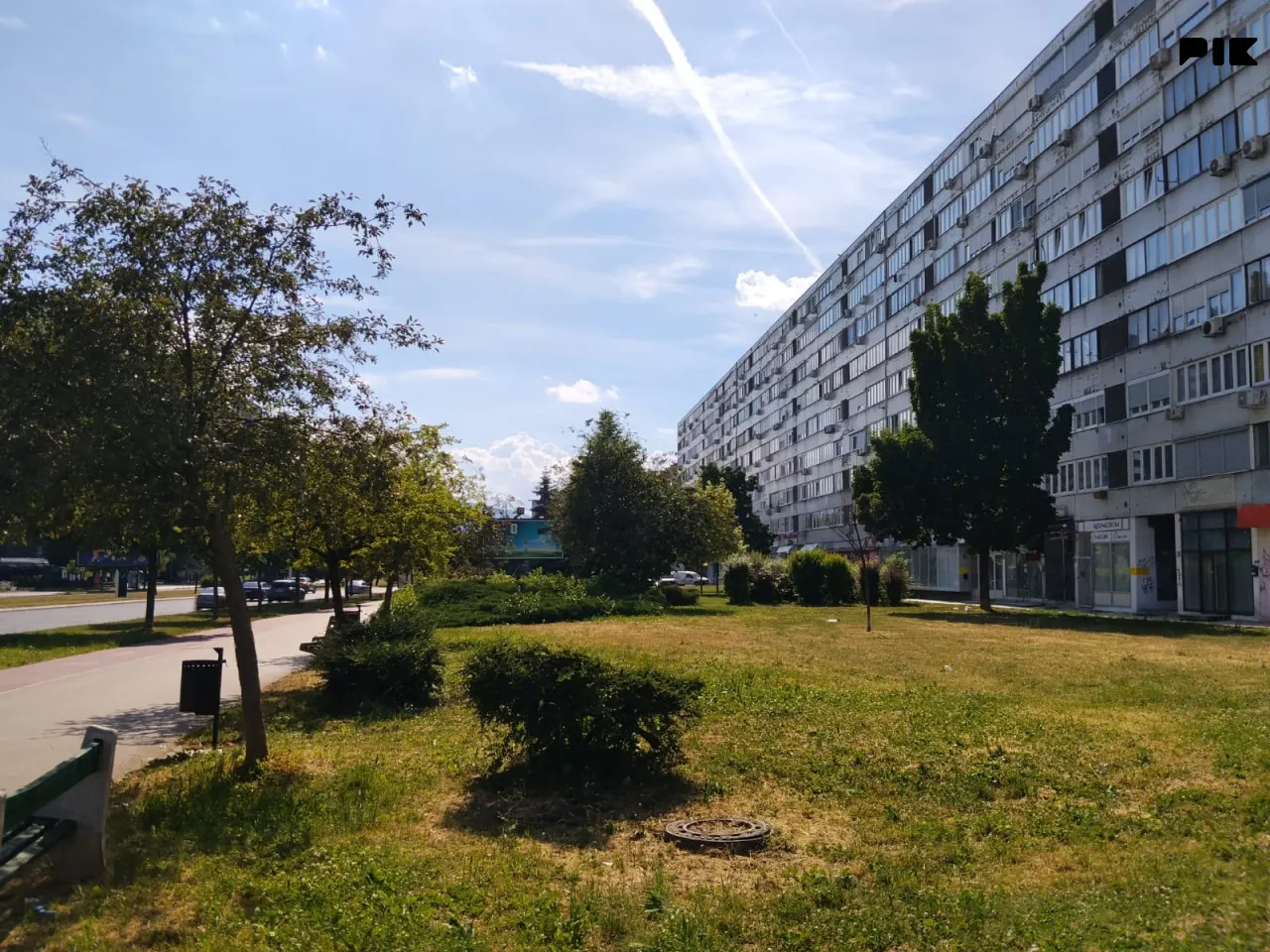
Sarajevo, Čengić Vila
Two-room flat, 54 m², 2nd floor, Čengić Vila - Stometarka
Sarajevo, Dobrinja C5, Novi Grad