Legalisation of property in Bosnia: what buyers need to know
How to check whether a house or extension in Bosnia is legal, which documents prove it and what you risk buying a building without a permit.
Updated: 16 October 2026
This guide is for buyers looking at a house, a holiday home or a flat with an extension in Bosnia and Herzegovina, whether they live here or abroad. It explains what legalisation means, how to recognise a legal building and what to negotiate when the paperwork is incomplete. It is not legal advice: for your specific case, speak to a notary, a lawyer or the municipal planning office.
What legalisation is and why it is so common
Legalisation (legalizacija) is a retrospective procedure in which the authority confirms that a building put up without a permit may stay, and issues the documents it would have had if it had been built by the rules. Many houses, extra floors and extensions in Bosnia were built without a permit: during and after the war, when families needed housing quickly, or because the permit process took a long time. In 2022 the ministry of Republika Srpska estimated that there were more than 80,000 illegally built structures in that entity alone.
For a buyer, one point matters most: you cannot tell from looking at a building whether it is legal. A house can be lived in, connected to electricity and paying property tax, and still lack the required permits.
Which documents show a building is legal
Ask the seller for copies and check them with the municipality:
- Building permit (građevinska dozvola; some Federation rules call it odobrenje za građenje). It shows that construction was approved.
- Use permit (upotrebna dozvola). It is issued after a technical inspection and confirms the building matches the permit. Building rules allow a building to be used only once it has one.
- Legalisation decision (rješenje o legalizaciji) or another decision that closes the procedure. In Republika Srpska, buildings that are legal by operation of law receive a decision establishing their legality.
- Land registry and cadastre extracts (ZK izvadak, posjedovni list), to see whether and to whom the building is registered. More in Land registry extract in Bosnia.
Important: the document must match what you are buying. If the permit covers the ground floor but the house also has an upper floor or an extension, that part may be unpermitted.
Different rules: the Federation and Republika Srpska
Federation of BiH (FBiH)
In the Federation, legalisation is regulated by the cantons, sometimes also by municipal decisions, so deadlines and conditions differ between Sarajevo, Tuzla or Mostar.
Sarajevo Canton shows how much the situation changes. Under its earlier legalisation decision, the application deadline was 31 January 2016. The new spatial planning law of 2017 made no provision for legalisation, so only procedures started before that deadline could be completed. In December 2025 the cantonal government sent a draft legalisation law to the assembly; in May 2026 it was still in procedure.
Sarajevo's earlier 2005 law also said that buildings without a permit must not be connected to road and utility networks, and that buildings in protected zones, water-source zones or contrary to the zoning plan cannot be legalised. Similar rules exist elsewhere, but they must be checked for the specific location.
Republika Srpska (RS)
RS has a single Law on Legalisation of Illegally Built Structures ("Službeni glasnik RS" 62/18 and 93/22). It has applied since July 2018, and for works started after it came into force the building inspector can order removal.
The 2022 amendment came into force on 29 September 2022 and widened the group of buildings that are legal by operation of law. According to the responsible ministry, these are:
- all buildings built by the end of 1991;
- detached residential and residential-commercial buildings under 400 m² gross floor area, built by 31 December 2013 and visible on the RS digital orthophoto from 2012-2013, excluding complex structures;
- auxiliary buildings (garages, summer kitchens, storerooms) built by 31 December 2013.
For these buildings there is no retrospective permit procedure; instead, legality is established and a decision is issued. That does not mean the seller automatically has it: someone has to apply and obtain the decision.
Risks of buying a non-legalised building
- Land registry entry. Without complete papers the building is often not registered, or only the land is. You would be buying something your documents do not confirm.
- Mortgage. The bank needs to register a mortgage, which requires a clean entry. Ask the bank before you sign a preliminary contract.
- Utilities. A new connection or transferring meters can stall without a permit.
- Demolition. A building that cannot be legalised (protected zone, contrary to the plan, someone else's land) can receive a removal order.
- Costs. Legalisation fees, a survey and an as-built record cost money and time. Unless the contract says otherwise, those costs pass to you.
- Resale. You will face the same problem when you sell.
How to check before you sign
- Get the land registry and cadastre extracts and compare them with the property on the ground (area, number of floors, extensions).
- Ask for copies of the building and use permits or the legalisation decision.
- Ask the municipal planning office whether a procedure is under way and whether the building can be legalised at that location at all.
- Check that the building stands on the seller's land, not on someone else's or state land.
- If you are borrowing, ask the bank early.
- Have a notary or lawyer review the contract before you sign.
What you can negotiate
If legalisation is not finished, you do not have to walk away straight away. Common options are:
- A lower price that covers the cost and risk of legalisation.
- The seller completes legalisation before the sale, and you pay only once the decision is final.
- A contract clause: a deadline for the seller to obtain the documents, who pays the fees and what happens if they fail (termination and refund).
- A retained part of the price, paid once the decision is issued.
For the full costs of buying, see Costs of buying property in Bosnia.
Common mistakes
- Assuming a house is legal because it has electricity and water.
- Looking only at the land registry extract and not at the permits.
- Not checking extensions, attic conversions and outbuildings, which are often unpermitted even when the main building is legal.
- Accepting a verbal promise that the seller will "sort it out" with no deadline or consequence in the contract.
- Assuming the rules of one canton or entity apply everywhere.
FAQ
Can I buy a house that has not been legalised?
You can, but you take on the risk and the task of legalising it yourself, if that is possible at all. Before buying, check with the municipality whether there is a basis for it and what it would cost.
Is a house built before the war automatically legal?
In RS, buildings built by the end of 1991 are legal by operation of law, but a decision confirming this is still needed. In the Federation it depends on cantonal rules.
I am buying from abroad. What matters most?
You cannot easily visit the municipality, so ask for copies of all documents in advance and have them checked before you send any money. More in Buying property in Bosnia from abroad.
Does this apply to flats too?
Less often, but yes: enclosed balconies, annexed corridors and converted attics in apartment buildings are often not covered by the permit. If you are buying a new flat, see also Buying a new-build flat in Bosnia.
Before we list a property, DMI checks the permits and the land registry, so you know in advance what is in order and what still needs resolving.
Current listings
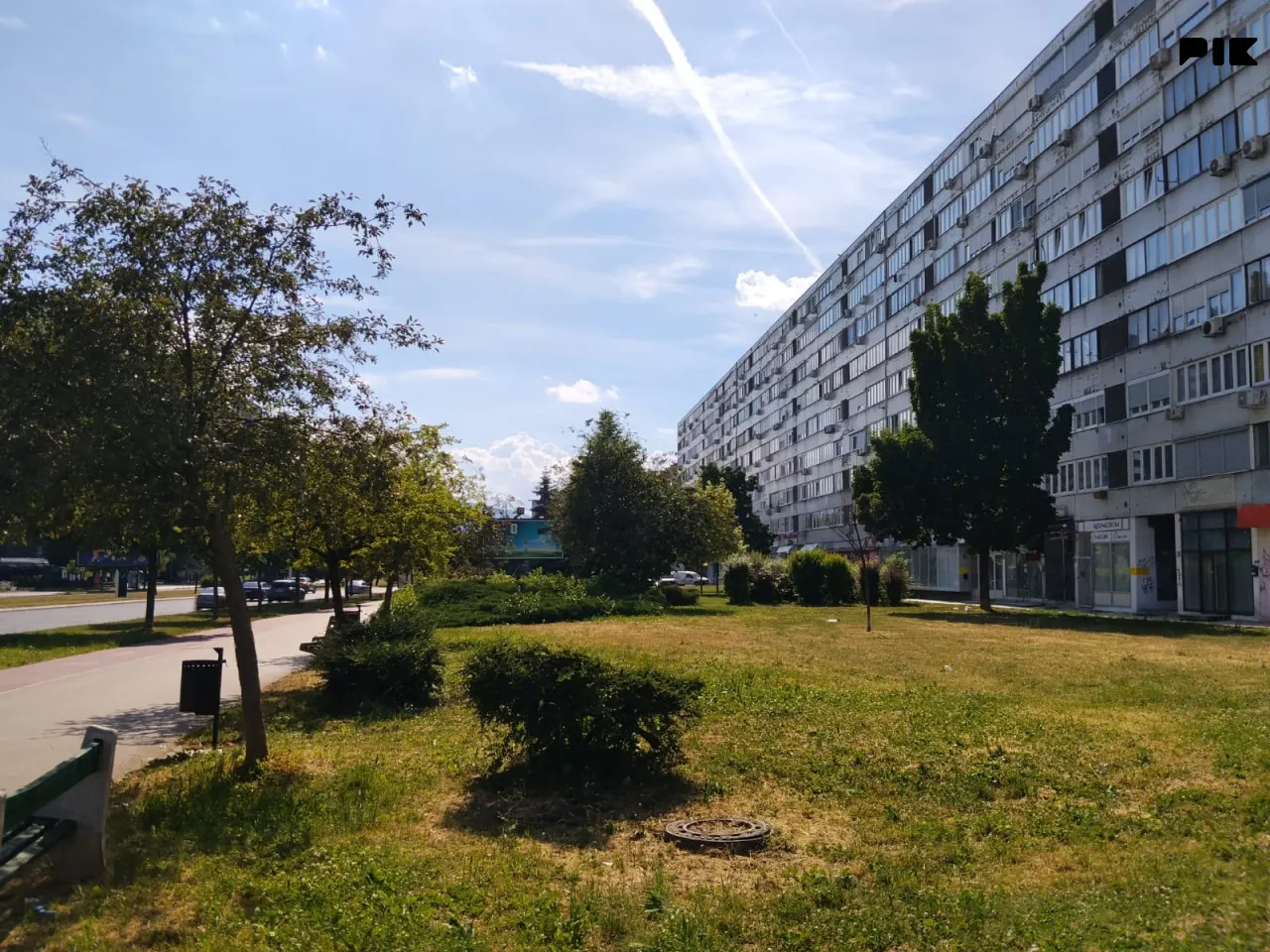
Sarajevo, Čengić Vila
Two-room flat, 54 m², 2nd floor, Čengić Vila - Stometarka
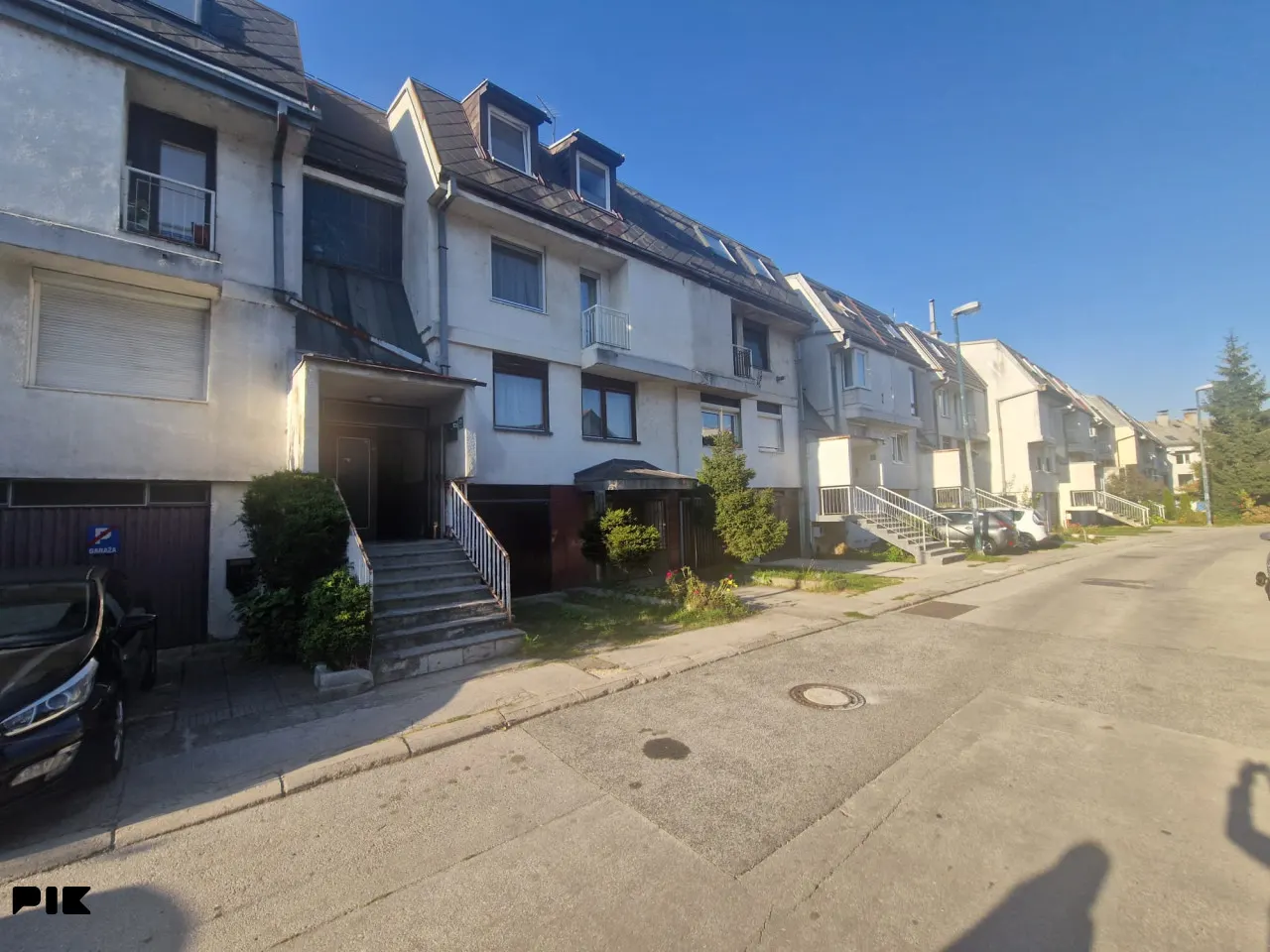
Sarajevo, Dobrinja C5, Novi Grad