How to check a Bosnian property for mortgages and burdens
Mortgages, dispute notes and other burdens appear in the public register: sheet C (and B) of the ZK extract in FBiH, the list nepokretnosti in RS.
Updated: 19 October 2026
Whether a property in Bosnia and Herzegovina carries a mortgage (hipoteka), a dispute note or another burden is shown in a public register. In the Federation of BiH (FBiH) it is the land registry extract, where burdens sit in sheet C and limits on the owner can also appear in sheet B. In Republika Srpska (RS) it is the list nepokretnosti (property sheet) from the cadastre. Before paying anything, ask for a fresh official extract, check it again just before signing and paying, and make deletion of any existing mortgage a condition of payment.
This is general information, not legal advice. A notary or lawyer confirms the details for your specific case.
Where mortgages, notes and disputes are recorded
Federation of BiH: the court land registry
In FBiH the land registry (zemljišna knjiga, often shortened to ZK) is kept by the municipal courts under the FBiH Land Registry Act (Zakon o zemljišnim knjigama FBiH). The register is public: anyone may inspect it and obtain an extract, in the presence of a land registry officer.
Rights that can be registered include:
- ownership and co-ownership
- mortgage (hipoteka) and land debt (zemljišni dug)
- court liens and sub-liens (sudsko i nadzaložno pravo)
- long-term lease
- pre-emption and buy-back rights
- servitudes (rights of way and similar), usufruct (the right to use and enjoy someone else's property) and real burdens (stvarni tereti)
Pay special attention to the zabilježba (annotation or note). It records facts that affect the owner's right to sell or encumber the property. The law gives examples such as minority, guardianship, extended parental rights, bankruptcy, a pending court dispute (spor), expropriation, reserved priority (prvenstveni red) and forced administration.
Online lookup. The Municipal Court in Sarajevo offers an online view of its electronic land registry. The data is for information only and is not an official document, and some data is left out for privacy reasons. For an official extract you go to the competent land registry office (ZK ured). Whether other FBiH courts offer a similar service is something to check with the court responsible for the municipality where the property is.
Republika Srpska: the real estate cadastre
In RS the register is kept by the Republic Administration for Geodetic and Property Affairs (RUGIPP) under the RS Survey and Cadastre Act (Zakon o premjeru i katastru RS). Its basic document is the list nepokretnosti. Anyone may inspect the cadastre and obtain a list nepokretnosti, or a certificate that a property or right is registered.
The cadastre records properties, real rights, certain contractual rights, predbilježbe (provisional entries) and zabilježbe. In RS a zabilježba covers, among other things, the personal status of the right-holder, reserved priority for a future entry, and the start of a dispute over rights to the property.
RUGIPP is still setting up the new cadastre in some municipalities (for example Gradiška, Novi Grad and Kozarska Dubica). There the older registers still apply. It is safer to check whether a burden or limit is recorded in any of the registers RUGIPP keeps for that property, and to ask the local office which registers are authoritative for the parcel.
Brčko District
Brčko District is a separate jurisdiction. Before buying there, ask a notary or the competent office which document shows burdens and how the extract is laid out.
How to read a land registry extract in FBiH
Each land registry file (uložak) has three sheets:
- Sheet A (popisni list, inventory): the parcels, i.e. what is registered. Check that the parcel number and description match the property you are buying.
- Sheet B (vlasnički list, ownership): who owns or co-owns the property and on what legal basis. Limits on the owner's right of disposal and notes concerning ownership can also appear here, so do not read it only for the name.
- Sheet C (teretni list, burdens): rights that burden the property and related notes. A mortgage is entered here, together with the legal basis for the entry.
What to look for:
- Final or provisional entry. Uknjižba is a final, unconditional entry. Predbilježba is a conditional, temporary entry that only takes full effect once it is later justified. If the seller is registered in sheet B only by predbilježba, their right is not yet final.
- Deleted entries. A deleted right is presumed not to exist. The other side of this: a mortgage that has been "paid off" but not deleted still stands in the register and is still a burden for you.
- Public trust. A registered right is presumed correct. A buyer in good faith is protected, unless an objection is registered or the buyer knew of the inaccuracy, or missed it through gross negligence. Good faith is judged at the moment the registration request is filed, not when you first looked at the extract.
- When you become the owner. In FBiH ownership arises only on registration (inheritance is the exception). A signed contract and a payment do not on their own make you the owner.
For checking the owner in detail, see Land registry extract in Bosnia: checking ownership before you buy.
How to read a list nepokretnosti in RS
- In RS real rights are acquired, transferred and limited by entry in the cadastre, and end when the entry is deleted.
- Registered data is presumed true. A buyer in good faith is protected if they did not know, and had no good reason to suspect, that the entry was wrong.
- Effect of a zabilježba: once it is entered, any sale or registration that goes against its purpose depends on the outcome of the matter it was entered for. If you buy a flat with a dispute note, your right depends on the court's decision.
- Predbilježba is registered for up to 90 days (or the term in the document) and is deleted if it is not justified in time.
- Burdens are entered on a separate sheet within the list nepokretnosti. For temporary sheets the law mentions a "V list" for notes. Sheet labels can vary, so if you are unsure which part shows burdens, ask the officer or your notary.
What to ask the seller for before paying
- A fresh official extract (ZK extract in FBiH, list nepokretnosti in RS), not a screenshot from an online app.
- A second check just before signing and paying. A burden can be registered after you first looked, even after the contract is signed but before you are registered.
- Deletion of any existing mortgage, or an agreed deletion procedure as a condition of payment. Confirm with the bank and the notary which document the bank issues for deletion and how payment is aligned with it. See How to pay for property in Bosnia safely.
- An explanation of every zabilježba. While a note of a dispute, bankruptcy, expropriation or forced administration is on file, pay nothing, not even a deposit.
- Clarity on who must sign. If the whole property is being sold and several co-owners are listed in sheet B, all of them must sign the contract. If only one co-owner's share is being sold, ask the notary about the rights of the other co-owners.
- An explanation of any servitude, usufruct or pre-emption right that is registered. These do not disappear on sale and can affect how you use the property.
- The question of reserved priority. Both entities recognise a note reserving priority for a future entry. Ask your notary whether it makes sense in your case and what time limit applies.
If you plan to pay a deposit (kapara) before the final contract, put the conditions about burdens into the pre-contract. More in Pre-contract and deposit (kapara) when buying in Bosnia.
Common mistakes
- Relying on an old extract, or one the seller brought months ago.
- Reading only sheet C. Limits on the owner can also appear in sheet B.
- Trusting a verbal assurance that the loan is repaid. Until the mortgage is deleted, it exists.
- Paying before registration without any protection. You become the owner by registration, not by payment.
- In RS, checking only one register in an area where the new cadastre is still being set up.
- Treating a seller's predbilježba as if it were a final entry.
Example
A buyer living in the Netherlands is interested in a two-room flat in Sarajevo priced at around 300,000 KM. The online lookup shows the seller as sole owner, but sheet C lists a mortgage in favour of a bank from when the flat was bought on credit. The seller says only a little debt remains.
The buyer obtains an official extract from the land registry office and finds no notes in sheet B. With the seller and the notary, they agree that the debt will be closed from the purchase price in a way the bank and the notary confirm, and that the rest is paid only once deletion of the mortgage is secured. On the day of signing, the buyer checks the extract once more. Without these steps they could pay the full price and end up with a flat still carrying someone else's mortgage.
Cost of checking
The fee for an official ZK extract in FBiH is set by cantonal rules, and for a list nepokretnosti in RS by RUGIPP's rules, so the amount depends on where the property is. Confirm it with the competent office. For the other costs of buying, see Costs of buying property in Bosnia.
How DMI helps
We visit every property we list in person and check its land registry entry, legalisation and photos before publishing. We currently have eight flats, all in Sarajevo, with a median asking price of 5,722 KM per m². We can show buyers which burdens are registered and what needs to be resolved before any payment, and we offer video tours to buyers abroad. The final legal check for your case is done by a notary or lawyer.
Current listings
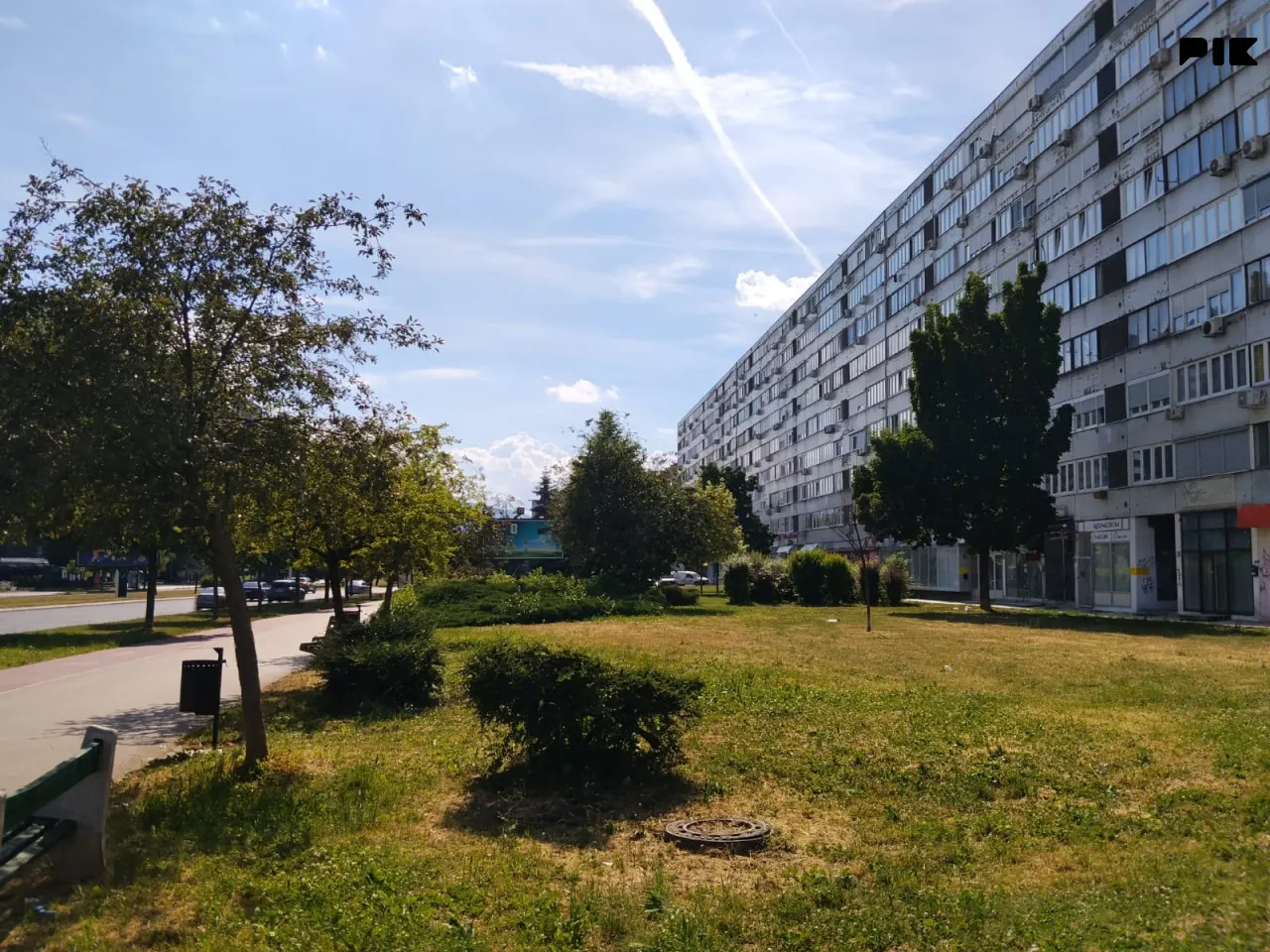
Sarajevo, Čengić Vila
Two-room flat, 54 m², 2nd floor, Čengić Vila - Stometarka
Sarajevo, Dobrinja C5, Novi Grad