How to price a property for sale in Bosnia
Price your Bosnian property from achieved sale prices in the official registers, then adjust for condition and papers. Overpricing usually slows a sale.
Updated: 16 October 2026
In this guide
- Step 1: find achieved prices, not just ads
- What DMI's own asking prices show
- Step 2: adjust for condition
- Step 3: paperwork affects both price and speed
- Tax and market value: what sellers should know
- Seasonality: what is known and what is not
- Why an overpriced property usually takes longer to sell
- Common mistakes
- An example
- How DMI helps
Set your price by comparing it with what similar properties in the same neighbourhood actually sold for, not only with asking prices in online ads. Then adjust that starting figure for condition and for paperwork, because a property with a clean land register entry and full legalisation usually sells more easily than one with open questions. In our experience, a starting price that is too high rarely brings in more money. More often it simply makes the sale take longer.
This guide is general information, not legal advice. A notary, a lawyer or the relevant tax office confirms the details for your case, especially taxes and the documents you need.
Step 1: find achieved prices, not just ads
Ads show what sellers hope to get. Buyers and banks care about what people actually pay. Bosnia and Herzegovina has two public registers of real transaction prices, one in each entity. The country has two entities, the Federation of BiH (FBiH) and Republika Srpska (RS), plus Brčko District. Some rules differ between them.
FBiH: Registar cijena nekretnina (property price register)
In the Federation, the federal land-survey authority runs the register. It works with the FBiH Tax Administration and the municipalities. The register is public at katastar.ba/rcn. Tax offices and local governments collect the data, so the register shows prices from real sales together with basic property characteristics.
Useful benchmarks from the register's reports:
- The average price of a flat on the secondary (resale, older-build) market in FBiH in 2025 was 3,100 KM/m². KM is the convertible mark, the local currency.
- The average FBiH flat price in 2025 was 23% higher than in 2024.
- In the first half of 2026, average prices for flats and building land were unchanged. Average house prices rose 5.7% compared with the first half of 2025.
- The most flats sold in 2025 were in Centar Sarajevo, Novo Sarajevo and Novi Grad Sarajevo, and in Tuzla, Zenica and Mostar.
RS: Registar cijena nepokretnosti (real estate price register)
In Republika Srpska, the register is run by the RS land-survey authority, known as RUGIPP. Its public map at rcn.rgurs.org shows sold houses, flats, land and commercial buildings whose contracts reached RUGIPP for registration. More than 10,000 sale contracts are entered each year. According to the 2022 report, the most active markets are Banja Luka, Bijeljina and Trebinje.
The same data is used officially. Courts use it to value property in expropriation cases. Municipalities use it to set the zone values on which property tax is based. That tells you it is a serious source.
Brčko District
We found no public register of achieved prices for Brčko District. There you will rely on a local notary, an agency and comparisons of ads. Keep in mind that ads are asking prices, not achieved prices.
How to read the registers
- Search as narrowly as you can: the same block or street, a similar size, the same type of property.
- Look at recent sales. FBiH prices moved a lot in 2025, so an older sale can mislead you.
- An entity-wide average hides large differences between cities and neighbourhoods. Use it only as a frame.
- Do not mix new-builds with older buildings. The Agency for Statistics of BiH publishes prices of new flats: the BiH average in the second quarter of 2026 was 3,311 KM/m². The agency itself states that these figures do not cover the existing housing stock.
What DMI's own asking prices show
At the time of writing, DMI had 8 flats on offer, all in Sarajevo. Seven had a published price. Their asking prices ranged from 3,667 to 6,574 KM/m², with a median of 5,722 KM/m². These are asking prices at one point in time, and they change as listings come and go.
- Novo Sarajevo, Bulevar Meše Selimovića, 54 m², raised ground floor: 355,000 KM (about 6,574 KM/m²)
- Čengić Vila, 54 m², 4th floor: 339,000 KM (about 6,278 KM/m²)
- Grbavica, 59 m² plus loggia: 359,000 KM (about 6,085 KM/m²)
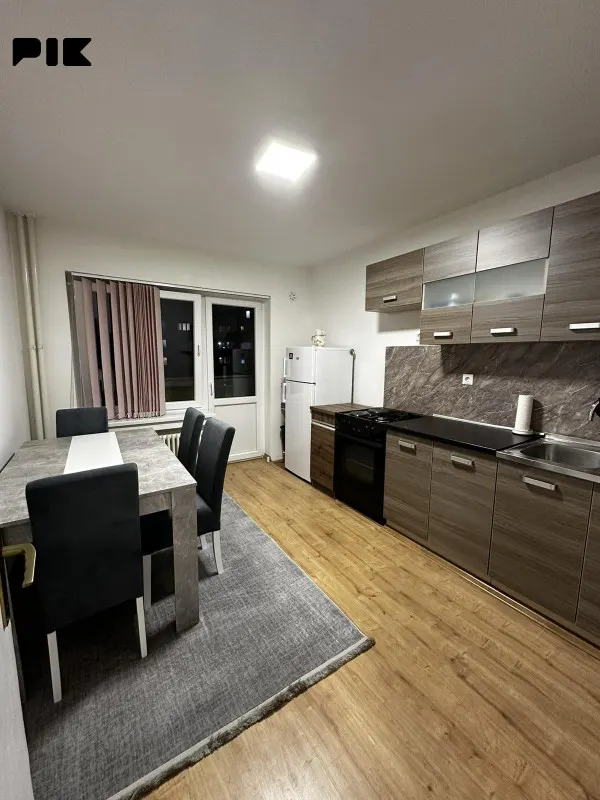
- Čengić Vila, 54 m², 2nd floor: 309,000 KM (about 5,722 KM/m²)
- Aerodromsko naselje, 59 m² with balcony: 275,000 KM (about 4,661 KM/m²)
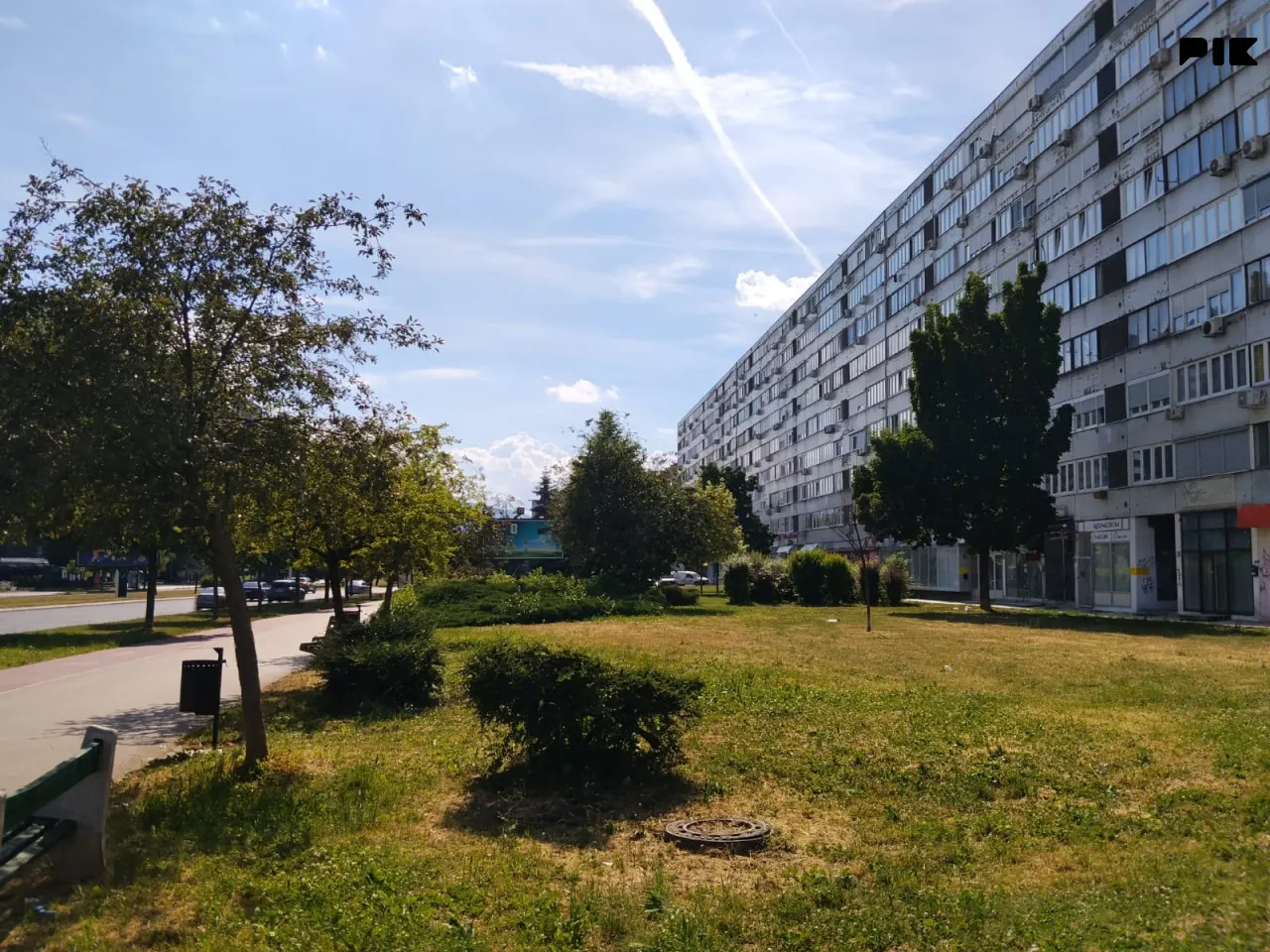
- Alipašino Polje, 69 m², 8th floor: 285,000 KM (about 4,130 KM/m²)
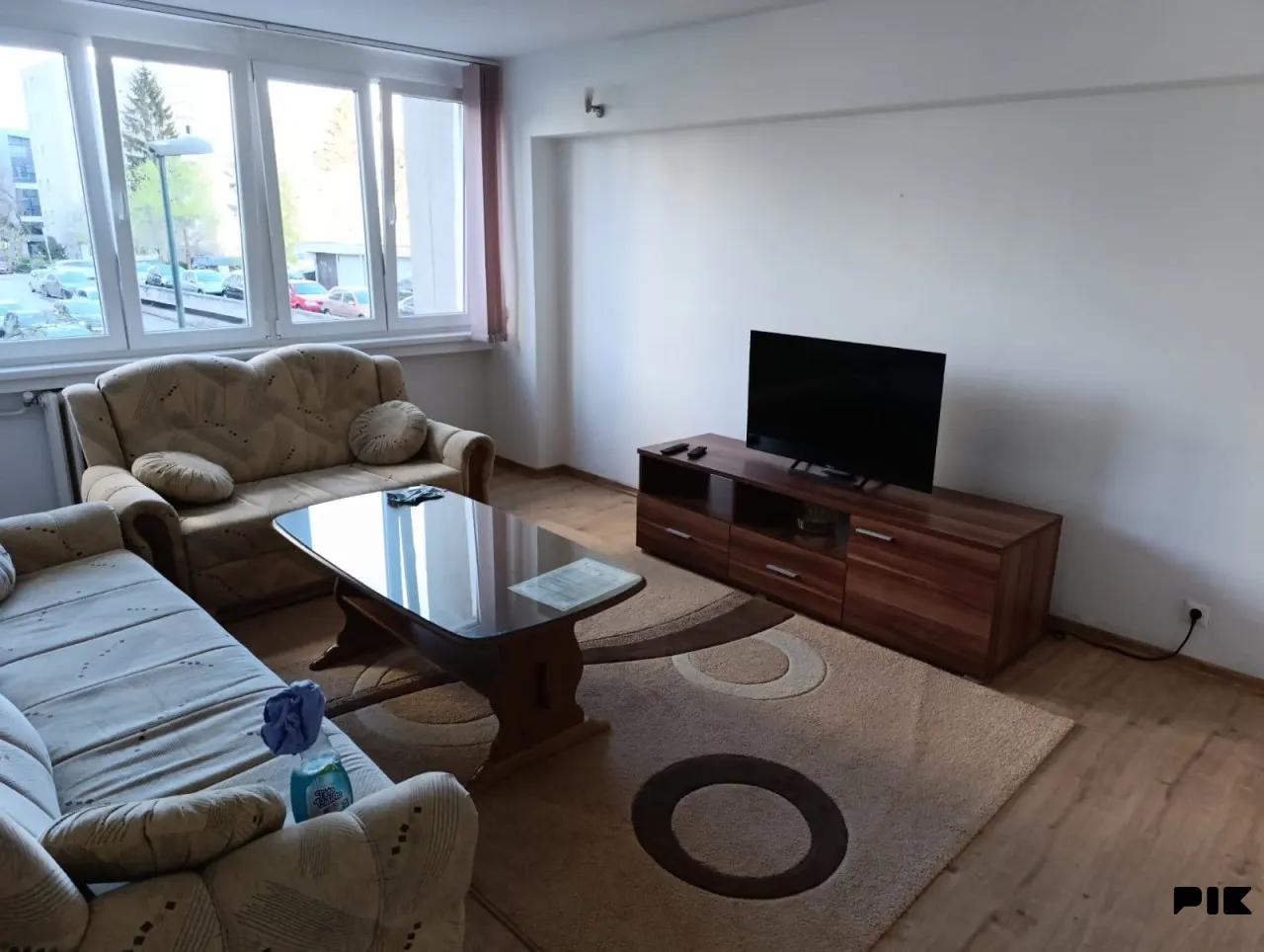
- Dobrinja C5, 75 m², renovated and furnished: 275,000 KM (about 3,667 KM/m²)
What you can and cannot read from this:
- Even the renovated, furnished flat in Dobrinja asks less per m² than flats in pricier neighbourhoods. Location sets the frame, and condition competes within it.
- The two 54 m² flats in Čengić Vila ask prices 30,000 KM apart. Even within one neighbourhood, a price is a range that depends on the floor, the condition and the building.
- Sarajevo asking prices are well above the FBiH-wide average of 3,100 KM/m². That does not mean either figure is wrong. The average covers all cities, and an ad is not an achieved price. This is why you should always go back to the register for your own neighbourhood.
Step 2: adjust for condition
There are no official coefficients that tell you what each feature is worth. The registers record some characteristics, such as the year of construction, so you can look for similar properties of a similar age. The rest is judgement, and buyers will make that judgement whether you do or not.
What buyers usually look at:
- floor and access: raised ground floor, top floor, whether there is a lift
- wiring, plumbing and heating, and when they were last replaced
- windows, floors, bathroom and kitchen
- the state of the building: roof, facade, shared areas
- orientation, light, and a balcony or loggia
A practical tip: if the flat needs work, get a rough quote before you set the price. Buyers deduct what they think the work will cost, and their estimate is often higher than the real one.
Ask a notary before you advertise whether you need an energy certificate to sell in your entity. That way the document will not catch you out just before signing.
Step 3: paperwork affects both price and speed
A property with clean papers reaches more buyers. Buyers taking a mortgage can consider it, and so can buyers abroad who buy through a power of attorney. Open questions usually shrink the pool of buyers or start a negotiation about a lower price.
Before you set a price, check:
- that the zemljišna knjiga (land register) matches the reality on the ground and the cadastre, using a ZK izvadak (land register extract); see Land registry extract in Bosnia
- that you are registered as the owner and whether there are encumbrances, such as a mortgage
- that the flat has gone through etažiranje (registration as a separate unit within the building) and that the building has an upotrebna dozvola (occupancy permit)
- whether any extensions or alterations were never legalised; see Legalisation of property in Bosnia
Which documents the notary needs for your sale depends on the entity and the type of property. Ask well in advance, not a week before signing.
Tax and market value: what sellers should know
In FBiH, the tax base for property transfer tax is not necessarily the price in the contract. In Sarajevo Canton, under the cantonal law, market value is set by a three-member commission appointed by the municipal mayor, using criteria set by the cantonal government. The rate is 5%, or 10% for a lifelong-maintenance contract. In Sarajevo Canton the buyer pays this tax.
According to secondary sources, in the other FBiH cantons the seller usually pays. In RS, the seller may owe capital-gains tax. These rules are set at cantonal or entity level, so confirm them for your case with the tax office or a notary.
For pricing, this means two things. Writing a lower price into the contract in FBiH does not change the base that the commission sets. And if the seller is the taxpayer in your canton, deduct the tax when you work out what you will actually keep. For more on costs, see Costs of buying property in Bosnia.
Seasonality: what is known and what is not
We found no official analysis of seasonal patterns in Bosnian property prices or sales. Official statistics are quarterly and cover new-builds only. The RS statistics institute, for example, reported that more new flats were sold in the second quarter of 2026 than in any second quarter since 2016. That compares years, though. It does not prove that spring is better than autumn.
One example shows that outside events do affect interest. During the COVID-19 restrictions, people were not interested in buying and did not even consult the price register.
In practice, rather than waiting for the right month, be ready when you decide to sell. Clean papers and a realistic price work at any time of year.
Why an overpriced property usually takes longer to sell
There are no official statistics in Bosnia linking overpricing to time on the market. What follows is experience from agency practice, including our own. It is not measured data.
- Buyers compare. If your flat costs more than similar ones, the people who see the ad are mostly buyers who could get a better flat for that money, so yours looks worse than it is.
- The first weeks after listing usually bring the most interest. If they pass at too high a price, that interest often fades without an offer.
- A listing that stays up for a long time raises questions. Buyers wonder what is wrong and negotiate more cautiously.
- Buyers notice price cuts made in several steps, and some wait for the next one.
That is why, in practice, a sale that starts too high often takes longer and sometimes ends below the price that was realistic at the start. A realistic starting price is not the lowest price. It is the one supported by achieved prices in your neighbourhood.
Common mistakes
- Pricing from ads alone, without checking the register.
- Expecting buyers to pay the full cost of your renovation on top of the market price.
- Comparing an older flat with new-build prices.
- Advertising before checking the papers, then renegotiating in front of the notary.
- Forgetting the taxes and costs that reduce what you keep.
An example
Say you are selling a two-room flat of 54 m² on a middle floor in Novo Sarajevo and would like 380,000 KM. In DMI's listings, similar 54 m² flats in that part of the city ask between 309,000 and 355,000 KM. Your figure is above the whole range of asking prices, and achieved prices are usually lower than asking prices. The next step is to find sales of similar flats in your street or block in the FBiH register. Then set your price within the range those sales show: higher if the flat is renovated and the papers are clean, lower if it needs work.
How DMI helps
Before publishing, we visit every property in person and check the land register, legalisation and photos. We suggest a price based on achieved prices from the register and what we see on site. For buyers abroad we offer video tours, which widens the pool of buyers. Selling from abroad yourself? See Sell your property.
Current listings
Sarajevo, Čengić Vila
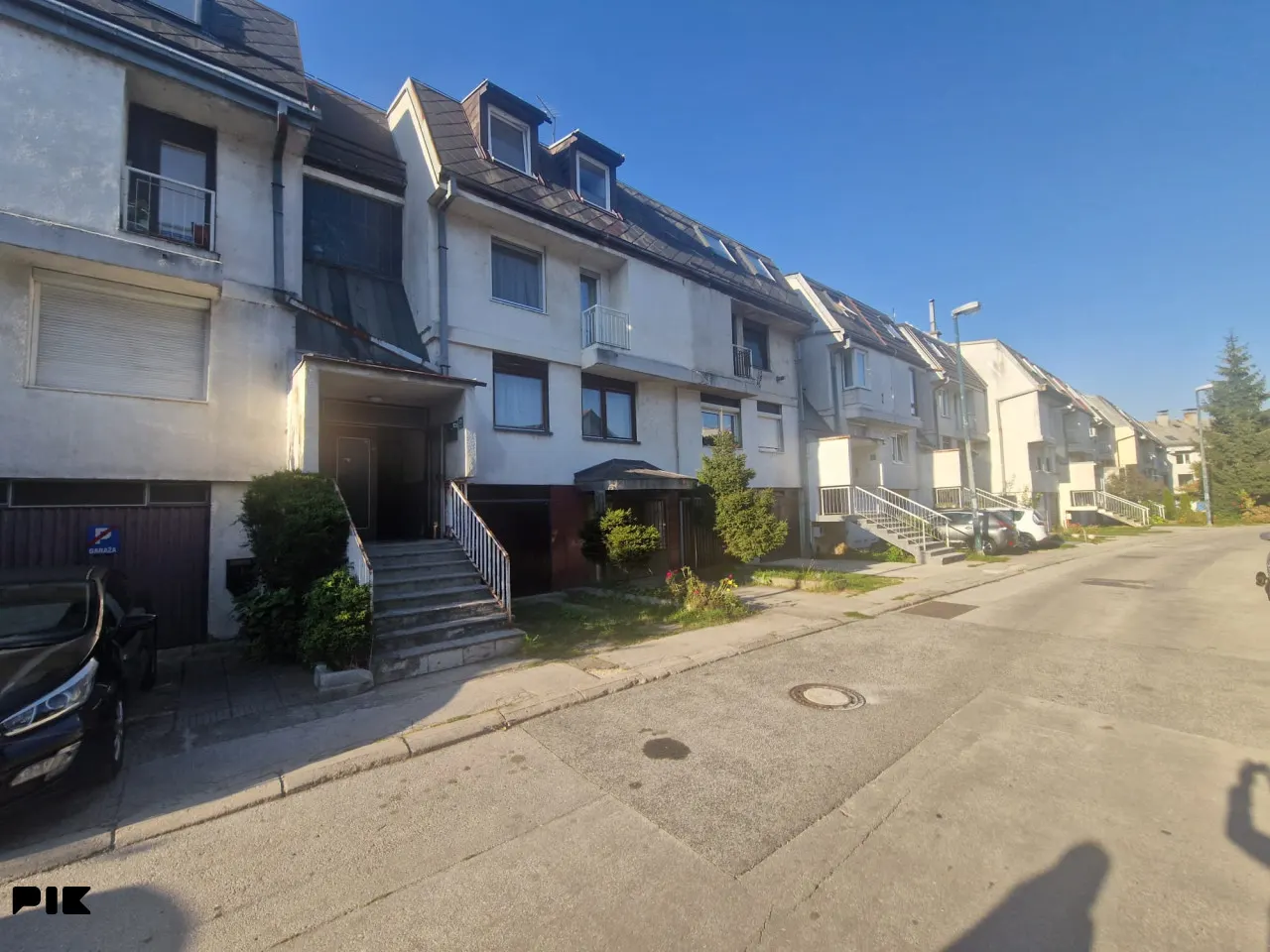
Two-room flat, 54 m², 2nd floor, Čengić Vila - Stometarka
Sarajevo, Dobrinja C5, Novi Grad