Transfer tax in Bosnia: who pays, how much, other fees
In FBiH transfer tax is set by each canton, up to 5%; in Sarajevo Canton the buyer pays. RS and Brčko have no transfer tax. Notary and registration notes.
Updated: 19 October 2026
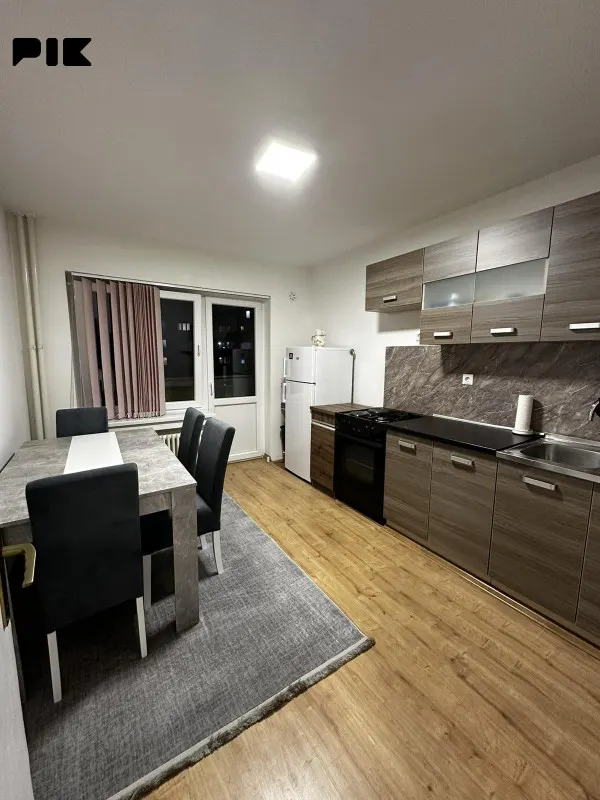
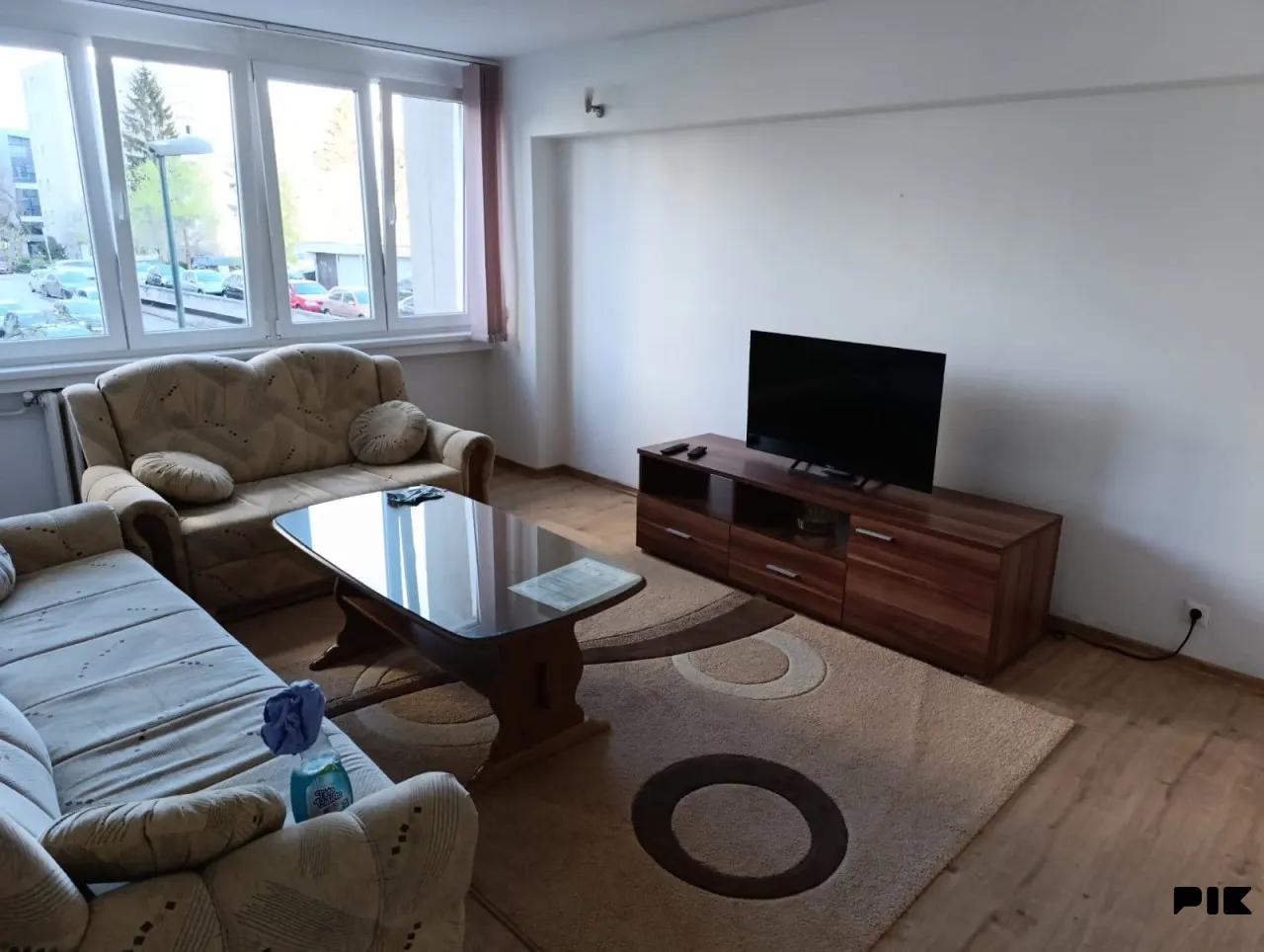
The biggest cost when buying property in the Federation of Bosnia and Herzegovina (FBiH) is usually the transfer tax, porez na promet nekretnina. Each canton sets it, and it cannot exceed 5%. In Sarajevo Canton the buyer pays it; in most other cantons, according to the sources available, the seller does. In Republika Srpska (RS) and Brčko District there is no transfer tax, according to the advisory and legal sources we checked.
On top of the tax there is a notary fee and a fee for registering you as the owner. We do not give amounts for those two here, because we could not verify the current official tariffs. Below we explain how to get exact figures, in writing, before you sign anything. Prices below are in KM, the convertible mark (konvertibilna marka), Bosnia's currency.
Quick overview by area
| Area | Transfer tax | Who pays |
|---|---|---|
| Sarajevo Canton | 5% of market value | buyer |
| Other FBiH cantons | up to 5% | usually the seller; sources disagree for Herzegovina-Neretva Canton |
| Republika Srpska | no transfer tax, according to advisory sources | - |
| Brčko District | no transfer tax, according to advisory sources | - |
For RS and Brčko, this is what PwC, KPMG and the law firm CMS state. Some websites claim a 3% tax is charged there too, but that contradicts those sources. We did not find an official act confirming the position either way, so ask your notary to confirm it for your purchase.
Transfer tax in the Federation (FBiH)
Who sets the rate
There is no single FBiH-wide transfer tax. Each canton has its own law. The sources available give a rate of 5% in the cantons for which there is data, and 5% is the upper limit. If you are buying outside Sarajevo Canton, check the rate and rules with the cantonal ministry of finance or with the notary, because cantonal laws change.
Who pays
- Sarajevo Canton: the buyer pays. This has applied since 1 January 2019 under the cantonal Law on Real Estate Transfer Tax and Inheritance and Gift Tax (Službene novine KS 28/18, the canton's official gazette). In an exchange of properties, whoever receives the more valuable property pays; when a co-ownership share is transferred, the person acquiring the share pays.
- Herzegovina-Neretva Canton (HNK, which includes Mostar): sources disagree. FIPA, the state investment-promotion agency, says the buyer pays here too; some property portals say the seller pays. Check this with the cantonal ministry of finance or the notary before you agree a price.
- Other cantons: according to FIPA, the seller most often pays.
In practice buyers and sellers sometimes agree that the other side carries the tax, and the price reflects that. We could not verify how such an agreement stands legally. If you want one, ask the notary to word it in the contract. For sellers in FBiH we cover this in more detail in Transfer tax when selling property in FBiH: who pays.
What value the tax is calculated on
The tax is not necessarily calculated on the contract price. In Sarajevo Canton the tax base is the property's market value, set by a commission using criteria from the cantonal government. The taxpayer must let the commission into the property. That value can be higher or lower than the price you agreed.
For Tuzla Canton, FIPA says the base is the market value or the contract price, whichever is higher. For other cantons, ask the notary or the tax office how the base is set.
When the liability arises
In Sarajevo Canton the tax liability arises within 8 days of the otpravak being issued - the certified copy of the contract that the notary issues. The tax is paid into the canton's public-revenue deposit account and goes entirely to the municipality (opština). The notary or the tax office will confirm the deadlines for filing and paying in your case. Other cantons may have different deadlines.
Exemptions in Sarajevo Canton
The cantonal law provides exemptions, among others for families of šehids (fallen fighters) and fallen soldiers, war-disabled veterans, and soldiers with at least 24 months of service. Some sources also mention an exemption for young first-time buyers: BiH citizens under 38, resident in the canton and owning no property, up to a set floor area. We could not confirm whether this exemption still applies or its exact conditions. If you think you qualify, ask the tax office before signing.
Lifetime-support contracts
A ugovor o doživotnom izdržavanju is a contract where someone transfers property in return for being looked after for life. In Sarajevo Canton such transfers are taxed on a sliding scale: 10% if the transfer happens within 3 years of support, falling as support lasts longer, down to 0% after 7 or more years.
New builds: VAT instead of, or alongside, transfer tax
When you buy a new flat directly from a developer, the first transfer of a new building carries 17% VAT (PDV), according to KPMG. VAT is normally included in the developer's asking price, but get that in writing. We could not confirm that in every canton this transfer is free of transfer tax. The 2018 Sarajevo Canton law gives new buildings special treatment, but we could not verify the exact conditions. Before signing, ask the notary whether transfer tax is also due in your case. More in Buying a new-build flat in Bosnia: checks, contract and VAT.
Republika Srpska: no transfer tax, but check the seller's debts
In RS, according to the available sources, the buyer pays no transfer tax. There is an annual property tax of up to 0.20% of value, or up to 0.10% for property used for production, paid by the owner every year.
What matters to you as a buyer: according to a report by RTRS, the RS public broadcaster, the seller must pay all overdue property tax before ownership can be transferred, and notaries check this directly in the RS Tax Administration's system. If the seller owes tax, the transfer can stall. Ask the seller for proof of no debt early, not on the day of signing.
Notary fee and registration fee
As the steps above show, notaries play a central role: they issue the certified contract copy in Sarajevo Canton and check the seller's tax status in RS. After the contract comes registration of the buyer as owner in the public property records. Who submits the contract for registration, in what order, and from what moment you are legally the owner should be confirmed by the notary for your case.
We have no verified figures for the notary fee or the registration fee (often called sudska taksa, court fee, because land registries in FBiH sit within the courts). The tariffs are set by regulation, but we could not check them in official sources, so we give no ranges and do not guess how they are calculated. The same goes for who pays: this may be fixed by rule or left to agreement. So:
- When you book the appointment, ask the notary for a written breakdown of costs for your contract: notary fee, certifications, copies, translation if needed, and the registration fee.
- Ask which part the buyer pays and which the seller pays, and put that in the pre-contract.
- Ask whether the registration fee is paid to the notary, the court or another office, and by when.
- If you are buying from abroad, also ask about the costs of a power of attorney and its certification abroad.
This page is general information, not legal advice. A notary or lawyer confirms the exact amounts, deadlines and who pays for your specific case.
Example: a two-room flat in Sarajevo
Take a flat from our listings: two rooms, 59 m², Aerodromsko naselje, asking price 275,000 KM. It is in Sarajevo Canton, so the buyer pays the transfer tax.
- If the commission sets the market value at 275,000 KM, the tax at 5% is 13,750 KM.
- If the commission values it higher, say 290,000 KM, the tax is 14,500 KM, even though you paid 275,000 KM.
- Add the notary fee and registration fee, for which you ask the notary for a written breakdown.
For a 59 m² flat in Grbavica at 359,000 KM, 5% on the same basis would be 17,950 KM. The median asking price across our Sarajevo listings is 5,722 KM per m², so for a flat of 55 to 60 m² expect transfer tax of roughly 15,000 to 17,000 KM, provided the commission's valuation is close to the price.
If the same flat were in Banja Luka (RS) or Brčko, no transfer tax would be due, according to the available sources. In most other FBiH cantons, the seller would usually pay it.
Common mistakes
- Calculating tax on the contract price. In Sarajevo Canton a commission sets the base. Keep a margin in your budget.
- Assuming the rules are the same across FBiH. Who pays and how the base is set depend on the canton.
- Not agreeing costs in advance. Who pays the tax, the notary and registration belongs in the pre-contract, not in a discussion on signing day.
- Trusting a single website. For RS, Brčko and HNK, sources contradict each other. Ask the notary.
- Forgetting the seller's debts in RS. Unpaid property tax can stop the transfer.
- Not asking about VAT on a new build. Get written confirmation that VAT is included in the price.
Before any of this, check ownership and burdens: Land registry extract in Bosnia: checking ownership before you buy.
How DMI helps
We visit every property we list in person and check its land registry entry, legalisation and photos before publishing. We help buyers get a written cost breakdown from the notary before paying a deposit, and make sure the pre-contract states clearly who pays the tax, the notary and registration. For buyers abroad we offer video tours; the full process is in Buying property in Bosnia from abroad: a step-by-step guide.
Current listings
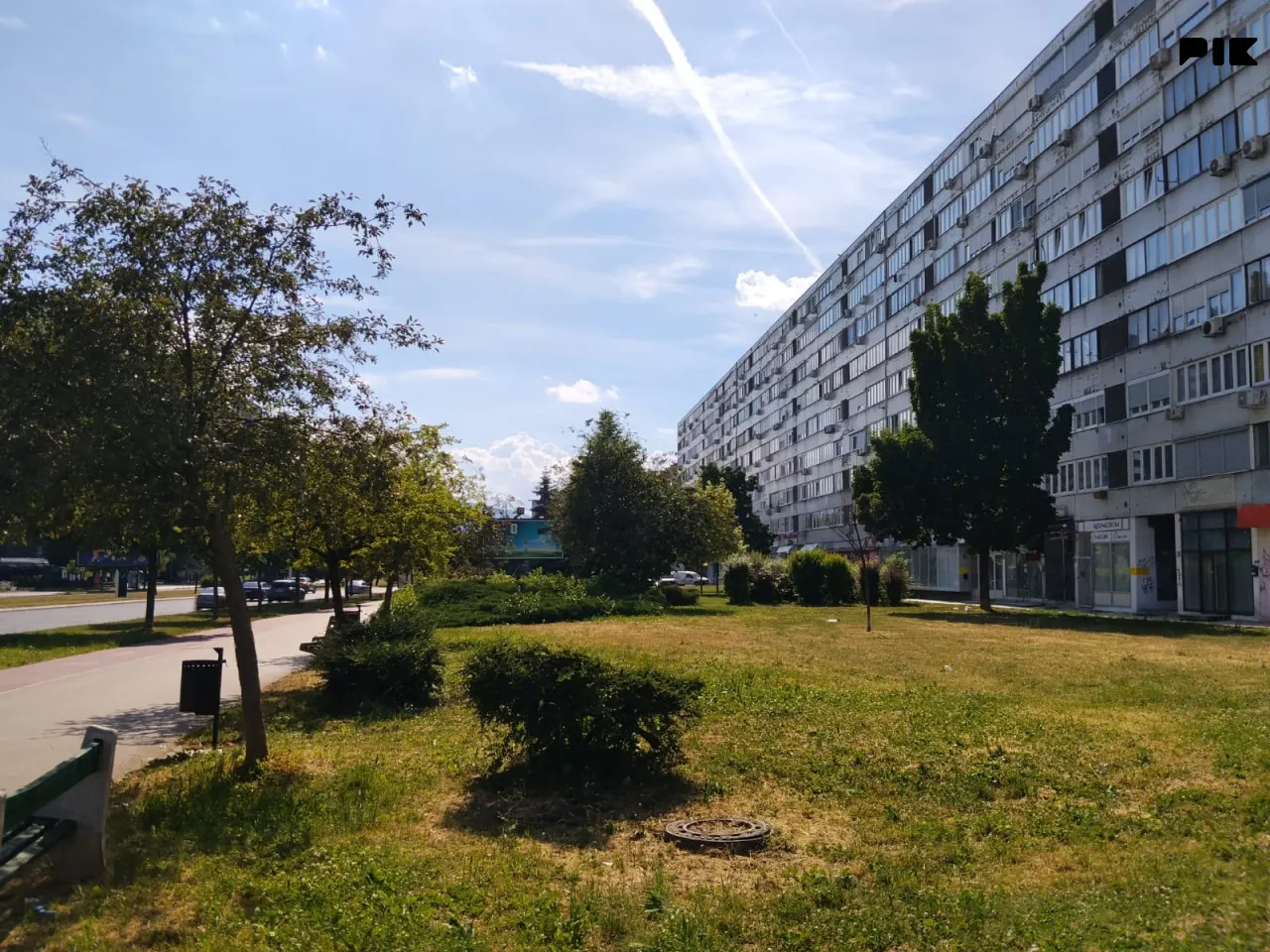
Sarajevo, Čengić Vila
Two-room flat, 54 m², 2nd floor, Čengić Vila - Stometarka
Sarajevo, Dobrinja C5, Novi Grad